Solid-State Fluid Level Sensors vs Float Switches
When fluid level control matters, the sensing method you choose affects uptime, maintenance, accuracy, and long-term operating cost. Traditional float switches have been used for decades, but many modern systems now rely on solid-state fluid level sensors for cleaner installation, greater reliability, and better performance in demanding environments.
Our solid-state sensing solution is designed for teams that need dependable level detection without the moving parts, sticking, wear, or mechanical limitations common with float-based devices. Whether you are monitoring tanks, reservoirs, sumps, dispensers, process equipment, or OEM fluid systems, solid-state technology gives you a smarter way to detect fluid presence and protect critical equipment.
A More Reliable Way to Detect Fluid Levels
Float switches work by using a buoyant mechanical float that rises or falls with liquid level. When the float reaches a set point, it triggers a switch. The concept is simple, but the moving parts can become a weakness.
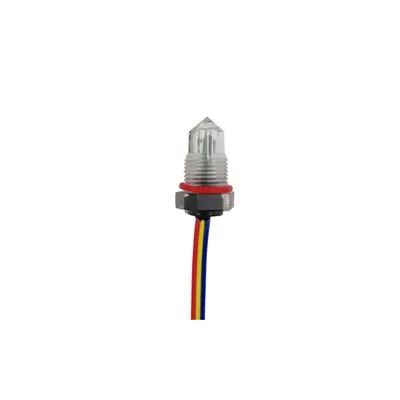
Solid-state level sensors use electronic sensor technology to detect the presence or absence of fluid without relying on a mechanical float. Depending on the model and application, sensing may be based on principles such as optical, capacitive, ultrasonic, or other non-mechanical detection methods. The result is a compact, durable, and low-maintenance approach to level monitoring.
For many applications, that difference is significant. No float means fewer mechanical failure points. No hinge, stem, or magnet assembly means less risk of sticking. No bulky moving component means easier integration into tight spaces.
Why Choose Solid-State Fluid Level Sensors?
Solid-state fluid level sensors are built for applications where reliability, consistency, and space efficiency are important. They are especially useful in systems where mechanical switches may be exposed to vibration, residue, foam, tight clearances, or frequent cycling.
Key benefits include:
No moving parts to jam, wear, or become misaligned
Compact installation for tanks and equipment with limited space
Fast response when fluid reaches the sensing point
Consistent performance across repeated cycles
Lower maintenance requirements compared with many mechanical alternatives
Flexible integration into OEM equipment, control panels, alarms, and automation systems
Clean, modern design for applications where mechanical components are undesirable
If your current float switches require frequent cleaning, adjustment, or replacement, upgrading to solid-state technology can help reduce service interruptions and improve system confidence.
Solid-State Technology vs Float Switches
Both technologies can detect fluid level, but they serve different priorities.
A float switch is often selected because it is familiar, simple, and cost-effective for basic applications. It can work well in clean, low-risk environments where space is not limited and occasional maintenance is acceptable.
A solid-state fluid level sensor is typically the better choice when you need a more durable, compact, and maintenance-friendly solution. Because it does not depend on a buoyant mechanical float, it can offer better reliability in many modern equipment designs.
Choose solid-state sensors when you need:
Long service life with minimal mechanical wear
A compact sensor footprint
Reduced risk of sticking from debris or buildup
Reliable detection in equipment that cycles frequently
Clean integration into electronic control systems
A professional upgrade from older mechanical level switches
Choose float switches when you need:
A basic mechanical on/off level device
A simple solution for clean liquids
A low-cost option for non-critical applications
A familiar replacement for an existing float-based design
For many OEMs, facility managers, engineers, and maintenance teams, the decision comes down to total cost of ownership. A float switch may cost less upfront, but a solid-state sensor can reduce downtime, labor, and replacement frequency in the right application.
Designed for Demanding Fluid Monitoring Applications
Our solid-state fluid level sensors are suitable for a wide range of fluid detection tasks. They can be used for point-level detection, overfill prevention, low-level alerts, dry-run protection, refill notifications, and automated control logic.
Common use cases include:
Industrial tanks and reservoirs
Medical and laboratory equipment
Water treatment systems
Chemical handling equipment
HVAC and condensate monitoring
Food and beverage equipment
Vehicle and battery fluid systems
Marine and recreational equipment
Printing, dispensing, and cleaning systems
OEM machinery and automation platforms
Because every application is different, sensor selection should consider fluid type, mounting position, temperature range, pressure conditions, electrical requirements, and material compatibility.
Built to Simplify Installation
A good level sensor should not make your system harder to build or maintain. Solid-state sensor technology is often easier to incorporate into new and existing equipment because the sensor body can be compact, repeatable, and electronically compatible with common control architectures.
Depending on the selected configuration, options may include threaded mounting, panel mounting, tank-wall installation, or custom integration into OEM assemblies. Output options may vary by model and can be selected to match your control system requirements.
Installation advantages may include:
Small form factor for tight equipment layouts
Simple point-level placement
No float travel clearance required
Reduced mechanical adjustment
Easy connection to alarms, relays, controllers, or PLCs
Clean appearance inside and outside the tank
If you are replacing float switches, a solid-state option may also help standardize your design and reduce the number of mechanical variants you need to stock.
Performance Without the Float-Related Problems
Mechanical float switches can fail for reasons that have little to do with the switch circuit itself. The float can absorb fluid, become coated, get trapped by debris, stick against a tank wall, or fail to move freely because of turbulence or installation angle.
Solid-state sensors help avoid many of these issues by eliminating the moving float. That makes them a strong choice in systems where reliability is more important than the lowest initial component cost.
Common float switch challenges:
Sticking caused by residue or particulates
Mechanical wear over time
False readings from turbulence or float movement
Limited mounting flexibility
Required clearance for float travel
Sensitivity to orientation
Higher maintenance in dirty or cycling environments
Solid-state sensor advantages:
Electronic detection with no float movement
Stable point-level sensing
Compact and rugged construction
Better fit for automated equipment
Easier design integration
Reduced service burden in many applications
The result is a more modern fluid level monitoring solution that supports better uptime and cleaner system design.
Product Features
Our solid-state fluid level sensors are engineered to deliver dependable fluid detection for professional and OEM applications.
Standard feature highlights:
Non-mechanical sensing design
Compact body for flexible mounting
Durable materials selected for fluid compatibility
Fast level detection response
Electronic output options for system integration
Low-maintenance operation
Suitable for new designs or upgrades from float switches
Configurations available for a range of applications
Specific sensor specifications vary by model. If you need details such as voltage range, output type, material, thread size, temperature rating, cable length, or fluid compatibility, our team can help match the right sensor to your requirements.
What to Consider Before Buying
To get the best performance from any fluid level sensor, it is important to choose the correct configuration for your application.
Before ordering, consider:
Fluid type Is the liquid water-based, oil-based, chemical, corrosive, viscous, foaming, or prone to residue?
Detection point Do you need high-level, low-level, leak, overfill, or empty-tank detection?
Mounting style Will the sensor mount through a tank wall, from the top, from the side, or inside a fitting?
Electrical interface What voltage, output signal, and control system connection do you need?
Operating environment Consider temperature, pressure, vibration, washdown exposure, and available space.
Maintenance expectations If access is difficult or downtime is expensive, solid-state technology may provide a strong advantage.
Pricing and Ordering
Pricing depends on sensor type, materials, configuration, electrical output, quantity, and any application-specific requirements. For standard products, we can help you identify the right model quickly. For OEM or production needs, volume pricing and configuration support may be available.
Request a quote to receive accurate pricing for your project. If you are unsure which sensor is right for your system, share your fluid type, tank details, operating conditions, and control requirements, and we will help you compare options.
Upgrade from Mechanical Switching to Modern Sensor Technology
Float switches still have a place in simple applications, but modern systems often demand more. If your equipment needs reliable level detection, cleaner integration, and reduced maintenance, solid-state fluid level sensors offer a compelling upgrade.
With no moving parts, compact installation, and dependable electronic sensing, solid-state technology helps protect pumps, prevent overfills, automate refills, and keep fluid systems running with confidence.
Ready to Find the Right Sensor?
Tell us about your application, and we will help you choose a solid-state fluid level sensor that fits your fluid, tank, environment, and control system.
Request a quote today or contact our team for product selection support.