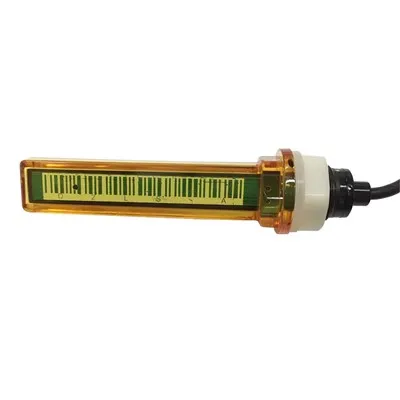
Best Propane Leak Detector for RV, Grill, BBQ (2026 Update): Complete Buying Guide and Reviews
In this guide: Everything you need to know about propane leak detectors in 2026-including why propane leaks are dangerous, how propane detectors work, the different types available, top-rated products for RVs, grills, and BBQ applications, where to place detectors for maximum safety, how to test and maintain your detector, and answers to the most commonly asked questions about propane leak detection for recreational vehicles and outdoor cooking equipment.
Why Propane Leak Detection Matters: The Invisible Danger
Propane is an excellent fuel for RVs, grills, and BBQs-but it carries a hidden danger. Propane is colourless, odourless (in its natural state), and highly flammable. A leak in your propane system can lead to fire, explosion, or carbon monoxide poisoning in enclosed spaces.
Why you need a propane leak detector:
| Risk | What Happens | Why Detection Matters |
|---|---|---|
| Fire and explosion | Propane is heavier than air; it pools in low areas and can ignite from a spark or flame | Leaks in enclosed spaces (RV compartments, storage areas) create explosive fuel-air mixtures |
| Carbon monoxide (CO) | Incomplete combustion from propane appliances produces CO, a deadly gas | CO is colourless and odourless; detectors save lives |
| Asphyxiation | Propane displaces oxygen in confined spaces | High concentrations cause dizziness, unconsciousness, and death |
| Property damage | Propane fires destroy RVs, homes, and outdoor structures | Early detection prevents catastrophic loss |
The added odourant (ethyl mercaptan) gives propane its distinctive "rotten egg" smell, but you cannot always rely on your nose:
You may be asleep when a leak occurs
A cold or sinus infection can impair your sense of smell
Some people have a reduced ability to smell the odourant
Over time, people can become desensitised to the smell ("nose blindness")
In large spaces or outdoors, the odour may disperse before you notice it
A propane leak detector never sleeps, never loses its sensitivity, and provides early warning before a dangerous situation develops.
How Propane Leak Detectors Work
Propane leak detectors use one of several sensor technologies to detect the presence of propane gas in the air:
Sensor Technologies
| Sensor Type | How It Works | Sensitivity | Response Time | Typical Life |
|---|---|---|---|---|
| Catalytic (pellistor) | Burns gas on a heated catalyst; measures heat change | High | 10–30 seconds | 3–5 years |
| Infrared (IR) | Measures infrared light absorption by propane molecules | Very high | 5–15 seconds | 5–10 years |
| Electrochemical | Gas causes chemical reaction; measures electrical current | High | 20–60 seconds | 2–4 years |
| Metal oxide semiconductor (MOS) | Gas changes electrical resistance of heated metal oxide | Moderate | 30–90 seconds | 3–7 years |
| Ultrasonic | Detects sound of gas escaping under pressure | Very high for pressurised leaks | Instant | 5–10 years |
What Propane Detectors Measure
Propane detectors are calibrated to detect LPG (liquefied petroleum gas) at concentrations well below the lower explosive limit (LEL):
| Measurement | Value | Significance |
|---|---|---|
| Lower Explosive Limit (LEL) | 2.1% propane in air | The minimum concentration that can ignite |
| Upper Explosive Limit (UEL) | 9.5% propane in air | The maximum concentration that can ignite |
| Detector alarm threshold | Typically 10–25% of LEL (0.2–0.5% propane) | Early warning before dangerous levels reached |
| Odour detection threshold | Approximately 0.1% propane | What most people can smell |
Quality propane detectors alarm at 10–25% of the LEL, giving you time to ventilate, shut off the gas, and address the leak before the situation becomes dangerous.
Types of Propane Leak Detectors
Propane leak detectors come in several forms, each suited to different applications:
Type 1: Fixed/Wall-Mount Propane Detectors
Designed for permanent installation in RVs, cabins, and homes with propane appliances.
| Feature | Typical Specification |
|---|---|
| Power source | 12V DC (hardwired into RV) or 120V AC (plug-in for homes) |
| Mounting | Low on wall (propane is heavier than air) |
| Detection method | Continuous electronic monitoring |
| Alarm type | Loud audible alarm (85–90 dB); some have visual indicators |
| Installation | Professional installation recommended for hardwired models |
| Cost | $30–150 |
Best for: RVs, motorhomes, travel trailers, cabins, homes with propane appliances.
Type 2: Portable Handheld Propane Detectors
Battery-powered devices you carry to check for leaks in specific locations.
| Feature | Typical Specification |
|---|---|
| Power source | AA or AAA batteries; some rechargeable via USB |
| Detection method | Active sampling; move detector near suspected leak |
| Display | LED indicators, digital concentration readout, or both |
| Alarm type | Audible beep or alarm; LED colour change |
| Use | Check fittings, connections, valves, hoses for leaks |
| Cost | $20–100 |
Best for: Checking BBQ connections, RV propane fittings, gas bottle valves, and suspected leaks.
Type 3: Ultrasonic Gas Leak Detectors
Detect the ultrasonic sound of pressurised gas escaping from fittings, valves, or tanks.
| Feature | Typical Specification |
|---|---|
| Detection method | Detects ultrasonic noise of escaping gas |
| Advantage | Works even when gas concentration in air is low; finds the exact leak source |
| Display | LED or digital sound level indicator |
| Use | Professional leak finding; pinpoint exact leak location |
| Cost | $50–300+ |
Best for: Finding exact leak locations; professional and serious DIY use.
Type 4: Soap Solution (Bubble Test)
The traditional low-tech method: apply soapy water to fittings and look for bubbles.
| Feature | Typical Specification |
|---|---|
| Cost | $5–10 for commercial leak detection solution; essentially free if you make your own |
| Detection method | Visual bubble formation indicates gas escaping |
| Advantage | Inexpensive; easy to use; finds exact leak location |
| Limitation | Only works on accessible fittings; cannot detect leaks in enclosed spaces or behind walls |
| Best for | Testing connections after assembly; routine maintenance checks |
Best Propane Leak Detectors for RVs (2026)
RVs present unique challenges: propane is stored in compartments, used for cooking, heating, and refrigeration, and the RV is a small enclosed space where leaks can quickly become dangerous.
Top RV Propane Detectors
| Product | Type | Power | Mounting | Alarm | Approx. Price | Rating |
|---|---|---|---|---|---|---|
| MTI Industries 20-441-P-WT Safe-T-Alert | Fixed wall-mount | 12V DC hardwired | Low wall (propane sinks) | 85 dB audible + LED | $40–60 | ★★★★★ Best overall for RVs |
| Atwood 36681 Propane Gas Detector | Fixed wall-mount | 12V DC hardwired | Low wall | Audible + LED | $35–55 | ★★★★☆ Reliable; good value |
| Safe-T-Alert 70-742-WT Dual CO/LP Detector | Fixed dual detector (CO + propane) | 12V DC hardwired | Low wall | Audible + LED for both gases | $70–100 | ★★★★★ Best dual protection |
| Camco 44401 Propane Gas Detector | Fixed wall-mount | 12V DC hardwired | Low wall | Audible | $30–45 | ★★★★☆ Budget-friendly RV option |
| MTI Industries 30-442-P-WT Mini Safe-T-Alert | Fixed compact | 12V DC hardwired | Low wall | Audible + LED | $35–50 | ★★★★☆ Good for small spaces |
RV Installation Requirements
Propane detectors in RVs should be mounted low (within 4–6 inches of the floor) because propane is heavier than air and sinks. Most RV manufacturers pre-wire for propane detectors near the floor in living areas and near propane compartments.
Key installation points:
Mount at least 4 inches from the floor (propane pools at floor level)
Mount away from windows, vents, and doors (airflow can dilute gas concentration)
Mount near sleeping areas (early warning at night is critical)
Do not mount near cooking appliances (cooking fumes can cause false alarms)
Test the detector monthly; replace according to manufacturer schedule (typically every 5–7 years)
Best Propane Leak Detectors for Grills and BBQs (2026)
Grills and BBQs use portable propane cylinders that are connected and disconnected frequently, creating opportunities for leaks at the connection point.
Top Portable Propane Detectors for Grills
| Product | Type | Power | Detection Method | Approx. Price | Rating |
|---|---|---|---|---|---|
| UEi Test Instruments CD100A | Handheld portable | 2× AA batteries | Heated sensor; audible + LED | $40–60 | ★★★★★ Best handheld for BBQ use |
| AMprobe GSD600 | Handheld portable | 2× AA batteries | Semiconductor sensor; audible + LED | $30–50 | ★★★★☆ Good value; easy to use |
| Kidde Nighthawk 900-0076 | Plug-in (AC) | 120V AC plug-in | Electrochemical; digital display | $40–60 | ★★★★☆ Good for outdoor kitchens with power |
| Techamor Y201 | Handheld portable | Rechargeable battery | Semiconductor; audible + LED | $25–40 | ★★★★☆ Budget-friendly portable option |
| General Tools PNG2000A | Handheld pen-style | 2× AAA batteries | Heated sensor; LED only | $20–35 | ★★★☆☆ Compact; good for quick checks |
How to Check Your Grill for Leaks
Before every grilling season and after any cylinder change, perform a leak check:
Method 1: Electronic Detector Check
Turn off the grill burners but leave the cylinder valve open
Turn on your portable propane detector
Slowly move the detector probe along the hose, regulator, and all connections
Listen for the alarm or watch for the LED indicator
If the detector alarms, turn off the cylinder valve and tighten or replace the leaking component
Method 2: Bubble Test
Turn off the grill burners but leave the cylinder valve open
Mix dish soap and water (approximately 1:5 ratio)
Apply the solution to the hose, regulator connections, and valve fittings
Watch for bubbles forming (indicates gas escaping)
If bubbles appear, turn off the cylinder valve and tighten or replace the leaking component
Perform both tests at least once per grilling season and after any maintenance or cylinder replacement.
Best Dual CO/LP Detectors (2026)
Many experts recommend dual CO/LP (carbon monoxide / propane) detectors for RVs and enclosed spaces because both gases are deadly and both can result from propane appliance malfunction.
Top Dual CO/LP Detectors
| Product | Power | Mounting | Gases Detected | Approx. Price | Rating |
|---|---|---|---|---|---|
| Safe-T-Alert 70-742-WT | 12V DC hardwired | Low wall | CO + LP | $70–100 | ★★★★★ Best for RVs |
| MTI Industries 70-741-R-KD | 12V DC hardwired | Low wall | CO + LP | $65–90 | ★★★★★ Reliable dual protection |
| Atwood 36681 | 12V DC hardwired | Low wall | CO + LP (some models) | $50–80 | ★★★★☆ Good value |
| First Alert CO400 | Battery (9V) | Any wall | CO only (pair with separate LP detector) | $20–30 | ★★★★☆ For homes; use with separate LP detector |
Where to Place Propane Detectors for Maximum Safety
Placement is critical for effective propane leak detection:
RV Placement
| Location | Why This Location | Height from Floor |
|---|---|---|
| Main living area | Where people spend time; near sleeping area | 4–6 inches from floor |
| Near propane appliances (stove, furnace, water heater) | Early detection if appliance leaks | 4–6 inches from floor; at least 3 feet from appliance |
| Propane compartment (if detector rated for outdoor/enclosed use) | Detect leaks at the source | Low in compartment |
| Sleeping area | Critical for night-time detection | 4–6 inches from floor |
Important: Do not place detectors:
Directly above cooking appliances (cooking fumes cause false alarms)
Near windows or vents (airflow dilutes gas)
High on the wall (propane sinks; detector will not sense gas pooling below)
Grill and BBQ Placement
For portable propane detectors:
Check connections before every use
Check the hose, regulator, and all fittings
For built-in outdoor kitchens, install a fixed detector near the grill at low level
Home Placement
If you have propane appliances at home:
Install a propane detector near each propane appliance (furnace, water heater, stove)
Mount 4–6 inches from the floor
Install a CO detector on each level of the home
Consider a combined CO/LP detector for comprehensive protection
Testing and Maintaining Your Propane Detector
Propane detectors require regular testing and maintenance:
Monthly Testing
Test your propane detector monthly using the built-in test button:
Press and hold the test button
The alarm should sound within a few seconds
Release the button; the alarm should stop
If the alarm does not sound, replace the detector or check the power source
Some detectors can be tested with a small amount of propane from a lighter or unlit propane torch (briefly release a tiny amount near the detector-do not use an open flame). Check your detector's manual for approved testing methods.
Annual Maintenance
| Task | Frequency | Why |
|---|---|---|
| Clean the detector vents | Annually | Dust and debris can block sensor openings |
| Check power connections | Annually (hardwired) | Loose connections cause failures |
| Replace batteries | Annually (battery-powered) | Weak batteries cause unreliable operation |
| Check expiration date | Annually | Sensors degrade over time; replace per manufacturer schedule |
Replacement Schedule
Propane detectors do not last forever:
| Detector Type | Typical Lifespan | Why Replace |
|---|---|---|
| Fixed RV propane detector | 5–7 years | Sensor degrades; loses sensitivity |
| Portable handheld detector | 3–5 years | Sensor and electronics age |
| Dual CO/LP detector | 5–7 years | Sensors degrade; both CO and LP detection compromised |
| Battery-powered detector | 5–7 years (replace batteries annually) | Sensor degrades; batteries drain |
Check the manufacturer's recommended replacement schedule and do not exceed it. An expired detector may not alarm when it should.
Frequently Asked Questions
Q1: Do I really need a propane leak detector for my RV?
Yes-every RV with propane appliances should have a working propane detector. RVs are small, enclosed spaces where propane leaks can quickly reach dangerous concentrations. A detector provides early warning before a leak becomes a fire, explosion, or asphyxiation hazard. Many RV manufacturers include detectors as standard equipment, and some jurisdictions require them by law.
Q2: Where should I mount a propane detector in my RV?
Mount a propane detector 4–6 inches from the floor because propane is heavier than air and sinks to floor level. Install the detector in the main living area near sleeping quarters, and away from cooking appliances, windows, and vents. If your RV has a propane compartment, some detectors can be installed there for source detection (check that the detector is rated for that environment).
Q3: Can I use a carbon monoxide detector to detect propane?
No-a standard carbon monoxide detector does not detect propane. CO and propane are different gases detected by different sensors. However, many manufacturers offer combination CO/LP detectors that detect both gases with a single device. For comprehensive protection in an RV or home with propane appliances, use a dual CO/LP detector or separate CO and LP detectors.
Q4: Why does my propane detector beep even when there is no leak?
False alarms can occur for several reasons:
| Cause | Solution |
|---|---|
| Low battery | Replace the battery or check power connection |
| Expired detector | Replace the detector if past its rated lifespan |
| Contaminants in the air | Cooking fumes, cleaning chemicals, hair spray, or other aerosols can trigger sensors; ventilate and reset |
| Sensor drift | Sensors can become overly sensitive over time; replace the detector |
| Actual small leak | A small leak that intermittently triggers the alarm; perform a thorough leak check |
If false alarms persist, replace the detector.
Q5: How often should I replace my propane detector?
Most propane detectors should be replaced every 5–7 years, depending on the manufacturer's specification. Sensors degrade over time and lose sensitivity. Check the manufacture date on your detector (often on the back or in the manual) and replace it before it exceeds the rated lifespan. Some detectors have an end-of-life indicator that alerts you when replacement is needed.
Q6: Can I test my propane detector with a lighter?
Some manufacturers approve testing with a small amount of propane from a lighter or unlit torch. Briefly release a tiny amount of gas near the detector (do not create a flame). The detector should alarm within seconds. Check your detector's manual for approved testing methods. Never use an open flame near propane connections or in the presence of a suspected leak.
Q7: What should I do if my propane detector alarms?
If your propane detector alarms:
Do not ignore it-assume there is a real leak until proven otherwise
Extinguish any flames (cigarettes, candles, pilot lights)
Do not operate electrical switches (can create sparks)
Evacuate the RV or area immediately
Turn off the propane supply at the tank if safe to do so
Ventilate the area (open windows and doors)
Check for the smell of propane (rotten egg odour)
Call emergency services or your propane supplier from outside the area
Do not re-enter until the leak is found and repaired and the area has been ventilated
Treat every alarm as real until you have confirmed otherwise.
The Bottom Line: Propane Detectors Save Lives
Propane is an excellent fuel for RVs, grills, and BBQs-but it must be treated with respect. A propane leak detector is inexpensive insurance against fire, explosion, and asphyxiation. For $30–100, you get 24/7 protection that never sleeps, never loses its sense of smell, and provides early warning before a dangerous situation becomes catastrophic.
Key recommendations for 2026:
| Application | Recommended Solution | Approx. Cost |
|---|---|---|
| RV | MTI Industries Safe-T-Alert 20-441-P-WT (hardwired) or Safe-T-Alert 70-742-WT dual CO/LP | $40–100 |
| Grill/BBQ | UEi CD100A handheld detector for connection checks + annual bubble test | $40–60 |
| Outdoor kitchen | Kidde Nighthawk plug-in (if power available) or portable detector | $40–60 |
| Home with propane | Safe-T-Alert 70-742-WT dual CO/LP or separate CO and LP detectors | $50–100 |
Do not wait for a leak to happen. Install a propane detector today, test it monthly, replace it on schedule, and enjoy your RV, grill, or BBQ with the peace of mind that comes from knowing you have early warning protection.
A propane detector costs less than a single tank of fuel. The safety it provides is priceless.
Last updated: July 2026
Disclaimer: This guide provides general information about propane leak detectors for educational purposes. Product specifications, availability, and pricing are subject to change. Always follow the manufacturer's installation and testing instructions for your specific detector. Propane systems involve flammable gas under pressure; installation and maintenance should be performed by qualified professionals. Consult local regulations and codes for propane detector requirements in your jurisdiction.