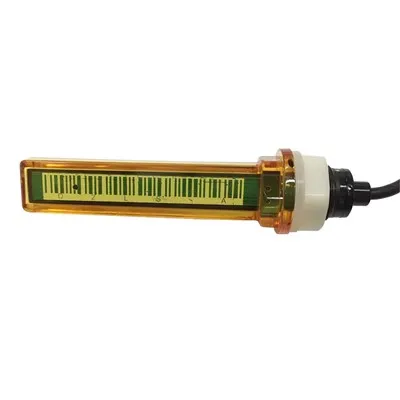
Combination Explosive Gas Carbon Monoxide Detectors: Complete Guide for Home and RV Safety
In this guide: Everything you need to know about combination explosive gas and carbon monoxide detectors-including what these dual-purpose detectors monitor, why you need both types of detection, how combination detectors work, the differences between propane and natural gas detection, top-rated combination detectors for homes and RVs in 2026, where to install them for maximum protection, installation and maintenance guidelines, what to do when the alarm sounds, and answers to the most commonly asked questions about combination gas and CO detection systems.
What Combination Explosive Gas and Carbon Monoxide Detectors Do
Combination explosive gas and carbon monoxide detectors are dual-purpose safety devices that monitor for two distinct hazards in a single unit:
| Detection Type | What It Detects | Why It Matters |
|---|---|---|
| Explosive gas detection | Combustible gases: propane (LPG), natural gas (methane), and sometimes butane | Leaks create fire and explosion hazards |
| Carbon monoxide detection | CO gas from incomplete combustion of any fuel | CO is colourless, odourless, and deadly at high concentrations |
These two hazards are related but distinct:
Explosive gas leaks are raw fuel leaking from pipes, tanks, valves, or connections before combustion
Carbon monoxide is a byproduct of incomplete combustion from appliances that are malfunctioning, poorly ventilated, or incorrectly used
A combination detector provides comprehensive protection for homes and RVs with gas appliances, monitoring for both the fuel leak hazard and the combustion hazard from a single device.
Why You Need Both Explosive Gas and Carbon Monoxide Detection
The Two Different Hazards
Understanding why you need both requires understanding the two different hazards:
Hazard 1: Explosive Gas Leaks (Propane or Natural Gas)
| Aspect | Details |
|---|---|
| What it is | Raw fuel gas leaking from supply lines, tanks, valves, regulators, or connections |
| Danger | Gas accumulates and creates an explosive fuel-air mixture; any ignition source causes fire or explosion |
| Common causes | Damaged pipes, loose fittings, corroded valves, failed regulators, cracked hoses, improper connections |
| Detection urgency | Immediate-explosive mixtures can form quickly in enclosed spaces |
| Odour | Added odourant (rotten egg smell), but cannot be relied upon (odour fatigue, sleep, colds, age) |
Hazard 2: Carbon Monoxide from Incomplete Combustion
| Aspect | Details |
|---|---|
| What it is | CO gas produced when gas appliances burn fuel incompletely due to malfunction, blockage, or poor ventilation |
| Danger | CO is colourless, odourless, and deadly; causes headache, dizziness, nausea, unconsciousness, death |
| Common causes | Cracked heat exchanger, blocked vent, dirty burners, insufficient combustion air, appliance malfunction |
| Detection urgency | Continuous-CO can accumulate slowly over hours or rapidly depending on source |
| Odour | None-CO is completely odourless |
Why a Gas Leak Does Not Produce CO (and Why You Need Both Detectors)
This is a critical point that many people misunderstand:
| Scenario | Gas Detector Response | CO Detector Response | Why Both Are Needed |
|---|---|---|---|
| Propane tank valve leaking | ✅ Alarms (gas leak detected) | ❌ No alarm (no combustion) | Gas detector catches the leak before ignition risk |
| Natural gas pipe cracked | ✅ Alarms (gas leak detected) | ❌ No alarm (no combustion) | Gas detector catches the leak before ignition risk |
| Furnace heat exchanger cracked | ❌ No alarm (no gas leak) | ✅ Alarms (CO from incomplete combustion) | CO detector catches combustion byproduct |
| Blocked water heater vent | ❌ No alarm (no gas leak) | ✅ Alarms (CO from incomplete combustion) | CO detector catches combustion byproduct |
| Gas stove left on unlit | ✅ Alarms (gas leak detected) | ❌ No alarm (no combustion) | Gas detector catches the raw gas |
| Generator running in garage | ❌ No alarm (no gas leak in home) | ✅ Alarms (CO entering home) | CO detector catches external combustion byproduct |
A gas detector protects you from fuel leaks. A CO detector protects you from combustion byproducts. You need both because they detect completely different hazards.
How Combination Detectors Work
Combination explosive gas and CO detectors contain two separate sensor systems in one housing:
Sensor Technologies
| Sensor Type | Detects | Technology | Typical Lifespan |
|---|---|---|---|
| Catalytic bead (pellistor) | Combustible gases (propane, natural gas) | Gas burns on heated catalyst; measures temperature change | 3–5 years |
| Metal oxide semiconductor (MOS) | Combustible gases | Gas changes electrical resistance of heated metal oxide | 3–7 years |
| Electrochemical | Carbon monoxide | CO causes chemical reaction; measures electrical current | 5–7 years |
| Infrared (IR) | Combustible gases (higher-end units) | Gas absorbs infrared light at specific wavelengths | 5–10 years |
Alarm Thresholds
Quality combination detectors alarm at safe margins below dangerous levels:
| Hazard | Dangerous Level | Typical Alarm Threshold | Time to Dangerous Level |
|---|---|---|---|
| Propane | LEL = 2.1% | 10–25% of LEL (0.21–0.52%) | Minutes to hours |
| Natural gas | LEL = 5.0% | 10–25% of LEL (0.5–1.25%) | Minutes to hours |
| Carbon monoxide | 400+ PPM is immediately dangerous | 30–70 PPM (time-weighted); some alarm at 100+ PPM immediately | Hours at low levels; minutes at high levels |
Display and Alarm Indicators
Most combination detectors provide separate alarms and indicators for each hazard:
| Feature | Gas Alarm | CO Alarm | Purpose |
|---|---|---|---|
| Audible alarm | Different sound pattern or voice announcement | Different sound pattern or voice announcement | Distinguish which hazard is present |
| Visual indicator | Red LED or "GAS" display | Red LED or "CO" display with PPM readout | Identify hazard type at a glance |
| Digital display | Some show gas concentration percentage or bar graph | Usually shows CO concentration in PPM | Monitor severity of hazard |
| Voice alarm | "GAS-EVACUATE" or similar | "CARBON MONOXIDE-EVACUATE" or similar | Clear verbal warning (premium models) |
The Placement Challenge: Propane Sinks, Natural Gas Rises, CO Mixes Evenly
One of the biggest challenges with combination detectors is correct placement-because each gas behaves differently:
Gas Density and Behaviour
| Gas | Density vs Air | Behaviour When Released | Optimal Detector Placement |
|---|---|---|---|
| Propane (LPG) | 1.5× heavier than air | Sinks to floor; pools in low areas (basements, crawl spaces) | Low on wall (4–6 inches from floor) |
| Natural gas (methane) | 0.6× lighter than air | Rises toward ceiling; accumulates in high areas | High on wall (near ceiling) |
| Carbon monoxide | 0.97× air density (nearly equal) | Mixes evenly with air; does not sink or rise significantly | Any height; typically placed at breathing level |
The Placement Dilemma
This creates a dilemma for combination detectors:
| Detector Configuration | Placement Conflict | Solution |
|---|---|---|
| Combination propane + CO detector | Propane needs low placement; CO can be anywhere | Place detector low (4–6 inches from floor) for propane detection; CO detection works at any height |
| Combination natural gas + CO detector | Natural gas needs high placement; CO can be anywhere | Place detector high (near ceiling or upper wall) for natural gas detection; CO detection works at any height |
| Triple detector (propane + natural gas + CO) | Propane needs low placement; natural gas needs high placement; CO anywhere | Cannot be placed optimally for both gases-use separate detectors or choose based on primary gas type |
Practical Placement Recommendations
For homes with propane appliances:
| Detector Type | Placement | Reason |
|---|---|---|
| Propane + CO combination | Low on wall (4–6 inches from floor) | Optimised for propane detection; CO detection effective at any height |
| Placement locations | Near propane appliances; in basement; outside sleeping areas | Early detection of leaks and CO |
For homes with natural gas appliances:
| Detector Type | Placement | Reason |
|---|---|---|
| Natural gas + CO combination | High on wall (near ceiling or upper wall) | Optimised for natural gas detection; CO detection effective at any height |
| Placement locations | Near gas appliances; in utility room; outside sleeping areas | Early detection of leaks and CO |
For homes with BOTH propane and natural gas:
| Recommendation | Why |
|---|---|
| Use separate detectors | Cannot optimise placement for both sinking propane and rising natural gas in one combination detector |
| Propane detector (low mount) + Natural gas detector (high mount) + CO detector (any height) | Comprehensive protection for all three hazards |
Best Combination Explosive Gas and CO Detectors in 2026
Best for Homes with Natural Gas
| Product | Detects | Power | Mounting | Alarm Type | Display | Approx. Price | Rating |
|---|---|---|---|---|---|---|---|
| Kidde KN-COEG-3 Nighthawk | Natural gas + CO | 120V AC plug-in | Low wall (CO optimised; gas probe included) | 85 dB audible | Digital CO PPM + gas level bar | $45–65 | ★★★★★ Best overall for natural gas homes |
| First Alert GCO1CN | Natural gas + CO | 120V AC plug-in | Low wall | 85 dB audible + LED | Gas level indicator | $40–55 | ★★★★☆ Good value; easy installation |
| Amprobe GSD600 | Natural gas + CO (portable) | 2× AA batteries | Handheld | Audible + LED | Gas concentration display | $30–50 | ★★★★☆ Portable for leak finding |
Best for Homes and RVs with Propane
| Product | Detects | Power | Mounting | Alarm Type | Display | Approx. Price | Rating |
|---|---|---|---|---|---|---|---|
| Safe-T-Alert 70-742-WT | Propane + CO | 12V DC hardwired | Low wall (4–6 inches from floor) | 85 dB audible + LED | LED indicators | $70–100 | ★★★★★ Best for RVs and propane homes |
| MTI Industries 70-741-R-KD | Propane + CO | 12V DC hardwired | Low wall | 85 dB audible + LED | LED indicators | $65–90 | ★★★★★ Reliable RV and propane home protection |
| Atwood 36681 | Propane + CO (some models) | 12V DC hardwired | Low wall | Audible + LED | LED indicators | $50–80 | ★★★★☆ Good value for RVs |
| Camco 44401 | Propane only (add separate CO detector) | 12V DC hardwired | Low wall | Audible | None | $30–45 | ★★★★☆ Budget propane detector; pair with CO detector |
Best for Homes with Both Propane and Natural Gas
| Recommendation | Why |
|---|---|
| Separate detectors: Safe-T-Alert propane + CO (low) + Kidde natural gas + CO (high) | Cannot optimise placement for both gases in one detector; use separate optimally-placed units |
| Total cost | $110–165 for two combination detectors |
| Alternative | Install propane detector (low), natural gas detector (high), and separate CO detectors on each level |
Installation and Wiring
Plug-In Detectors (Homes with Natural Gas)
Installation steps:
Choose an outlet that is not controlled by a wall switch
Ensure the outlet is at the appropriate height (check manufacturer guidance)
Plug in the detector
Test the detector using the test button
Write the installation date on the detector or in your records
Do NOT:
Use extension cords
Plug into outlets controlled by switches
Place behind furniture that blocks airflow
Hardwired Detectors (RVs and Some Homes)
Installation steps:
Turn off power to the circuit
Mount the detector at the correct height using screws or adhesive
Connect wiring according to manufacturer instructions (typically 12V DC for RVs; 120V AC for homes)
If interconnecting with other detectors, connect the interconnect wire
Restore power and test the detector
Professional installation recommended for:
Hardwired residential detectors (120V AC)
Interconnected detector systems
Detectors integrated with home security systems
Battery-Powered Detectors
Installation steps:
Choose location at correct height
Mount using screws or adhesive (included with most detectors)
Install batteries
Test detector
Record installation date
Maintenance:
Replace batteries annually or when low-battery warning sounds
Test monthly
Maintenance and Testing
Monthly Testing
Test both detection systems monthly:
| Test Method | Gas Sensor | CO Sensor |
|---|---|---|
| Test button | Press and hold test button; gas alarm should sound | Press and hold test button; CO alarm should sound |
| Gas test (some models) | Introduce small amount of gas from unlit butane lighter near sensor (check manual first) | N/A (do not introduce CO) |
| Display check | Verify display or LED indicators function | Verify CO PPM display reads zero or normal |
Annual Maintenance
| Task | Frequency | Why |
|---|---|---|
| Replace batteries | Annually (battery-powered units) | Ensures continuous operation |
| Clean detector vents | Every 6–12 months | Dust blocks sensors; causes false alarms or failures |
| Check expiration date | Annually | Sensors expire; replace per manufacturer schedule |
| Test with smoke or CO test spray | Annually (optional) | Verify sensor responds to actual gas/CO |
| Check wiring connections | Annually (hardwired units) | Loose connections cause failures |
Replacement Schedule
Combination detectors have limited lifespans:
| Detector Type | Typical Lifespan | Replacement Trigger |
|---|---|---|
| Plug-in combination detector | 5–7 years | End-of-life alarm or reached rated lifespan |
| Hardwired combination detector | 5–7 years | End-of-life alarm or reached rated lifespan |
| Battery-powered combination detector | 5–7 years | End-of-life alarm or reached rated lifespan |
| End-of-life indicator | Some models have built-in alert | Replace immediately when indicator sounds |
Write the installation date on every detector and replace before it exceeds the manufacturer's rated lifespan.
What to Do When the Alarm Sounds
Combination detectors may alarm for gas, CO, or both. Response differs slightly:
If the GAS Alarm Sounds
| Step | Action | Why |
|---|---|---|
| 1 | Do NOT operate any electrical switches or appliances | Sparks can ignite gas |
| 2 | Do NOT use phones inside | Potential ignition source |
| 3 | Extinguish any open flames | Remove ignition source |
| 4 | Evacuate immediately | Protect lives |
| 5 | Leave doors open as you exit | Ventilate |
| 6 | Move to safe distance (100+ feet) | Avoid danger zone |
| 7 | Call emergency services or gas utility from outside | Professional response |
| 8 | Do NOT re-enter until cleared by professionals | Gas may still be present |
If the CO Alarm Sounds
| Step | Action | Why |
|---|---|---|
| 1 | Move to fresh air immediately (outside or near open windows) | Reduce CO exposure |
| 2 | Account for all people and pets | Ensure everyone evacuates |
| 3 | Call emergency services (911) from fresh air location | Medical response and hazard assessment |
| 4 | Do NOT re-enter until cleared by professionals | CO may still be present |
| 5 | Have appliances inspected before resuming use | Identify and fix CO source |
If Both Alarms Sound
Treat as a gas leak (gas is the more immediate explosive hazard):
Follow gas alarm response (evacuate, do not operate switches, call from outside)
Once safe, also consider CO exposure and seek medical attention if symptoms present
Have both gas lines and appliances professionally inspected
Frequently Asked Questions
Q1: Can one detector really detect both gas and carbon monoxide?
Yes-combination detectors contain two separate sensor systems in one housing. One sensor detects combustible gases (propane, natural gas), and a separate sensor detects carbon monoxide. Both sensors operate independently and trigger separate alarms. The detector continuously monitors for both hazards simultaneously.
Q2: How do I know if my combination detector is for propane or natural gas?
Check the product labeling and specifications:
Detectors labelled "Propane + CO" or "LP Gas + CO" are calibrated for propane (and often butane)
Detectors labelled "Natural Gas + CO" or "Methane + CO" are calibrated for natural gas
Some detectors are calibrated for multiple combustible gases (check the manufacturer specifications)
Placement is the key indicator: Propane detectors are mounted low; natural gas detectors are mounted high
Q3: Why can't I place a combination detector in the middle of the wall?
Because propane sinks and natural gas rises:
A propane detector placed at mid-wall height may not detect propane pooling at floor level
A natural gas detector placed at mid-wall height may not detect gas accumulating at ceiling level
CO detection works at any height, so CO is not the limiting factor
Place detectors at the height appropriate for the combustible gas they detect.
Q4: Do combination detectors meet legal requirements for CO detection?
In most jurisdictions, yes-combination gas + CO detectors meet code requirements for CO detection, provided they are listed to relevant standards (UL 2034 for CO, UL 1484 for gas detectors in the US). However, always check your local building code, as some jurisdictions have specific requirements for detector placement, interconnection, or power source.
Q5: Can I use an RV propane + CO detector in my home?
RV detectors are typically 12V DC hardwired and designed for RV electrical systems. To use in a home, you would need a 12V DC power supply or adapter. It is usually more practical to use a detector designed for residential use (120V AC plug-in or hardwired). Additionally, RV detectors may not be listed to residential standards (UL 2034, UL 1484), which could affect code compliance and insurance coverage.
Q6: What does it mean if my detector alarms but I don't smell gas or feel sick?
Do not assume it is a false alarm. Possible reasons include:
| Scenario | What to Do |
|---|---|
| Low-level gas leak | Evacuate; call gas utility to inspect |
| Low-level CO | Evacuate; seek fresh air; call for inspection; monitor for symptoms |
| Sensor malfunction | Evacuate first; then troubleshoot after confirming no hazard |
| End-of-life warning | Replace detector if past rated lifespan |
| Contaminants | Cooking fumes, cleaning chemicals, or aerosols can trigger sensors; ventilate and reset |
Always treat every alarm as real until a professional confirms otherwise.
Q7: Should I buy a combination detector or separate gas and CO detectors?
| Situation | Recommendation | Why |
|---|---|---|
| Home with propane OR natural gas (not both) | Combination detector optimised for that gas | Simpler; one device to install, test, and maintain |
| Home with both propane and natural gas | Separate detectors (propane detector low, natural gas detector high) + CO detectors | Cannot optimise placement for both gases in one combination detector |
| RV with propane appliances | Propane + CO combination detector (hardwired 12V) | Standard for RVs; comprehensive protection |
| Home with only electric appliances | CO detector only (no combustible gas) | Gas detection not needed |
The Bottom Line: Comprehensive Protection in One Device
Combination explosive gas and carbon monoxide detectors provide comprehensive protection for homes and RVs with gas appliances. They monitor for both fuel leaks and combustion byproducts-the two most serious gas-related hazards-using two independent sensor systems in a single device.
Key recommendations for 2026:
| Application | Recommended Detector | Placement | Approx. Cost |
|---|---|---|---|
| Home with natural gas | Kidde KN-COEG-3 Nighthawk | High on wall (natural gas rises) | $45–65 |
| RV or home with propane | Safe-T-Alert 70-742-WT | Low on wall (propane sinks) | $70–100 |
| Home with both propane and natural gas | Separate propane detector (low) + natural gas detector (high) + CO detectors | Optimised for each gas | $110–165 total |
Installation and maintenance checklist:
✅ Install detector at correct height for the combustible gas it detects
✅ Place near gas appliances and outside sleeping areas
✅ Test both gas and CO detection monthly
✅ Replace batteries annually (battery-powered units)
✅ Replace detector every 5–7 years per manufacturer schedule
✅ Have gas appliances professionally inspected annually
A combination detector is one of the most important safety devices in any home or RV with gas appliances. For $45–100, you get 24/7 protection against two deadly hazards-fuel leaks and carbon monoxide-monitored from a single device. Install it, maintain it, trust it. When it alarms, act immediately.
The cost of a detector is nothing compared to the cost of a gas explosion or carbon monoxide tragedy.
Last updated: July 2026
Disclaimer: This guide provides general information about combination explosive gas and carbon monoxide detectors for educational purposes. Product specifications, features, and availability are subject to change. Detector requirements and codes vary by jurisdiction. Always follow manufacturer installation instructions and local building codes. Gas and CO detection systems are safety-critical devices; installation, inspection, and maintenance should be performed according to manufacturer guidelines and, where required, by qualified professionals. In case of alarm, evacuate immediately and call emergency services.