Do You Need a Propane Heater for Your Home? Complete Guide
Everything You Need to Know About Choosing the Right Home Heating Solution
Introduction
Heating your home is one of the most important decisions you'll make as a homeowner. With rising energy costs, increasing focus on efficiency, and various fuel options available, many people wonder: Do you need a propane heater for your home?
The answer depends on where you live, what heating infrastructure is available, your budget, and your priorities. This comprehensive guide will help you determine whether a propane heater is the right choice for your home heating needs.
The Short Answer: A propane heater is an excellent choice for homes without natural gas access, for homeowners seeking reliable backup heating, or for those wanting efficient zone heating. However, if you have access to natural gas or live in a moderate climate suitable for heat pumps, other options may be more cost-effective.
Part 1: What Is a Propane Heater?
Understanding Propane Heating
A propane heater is a heating appliance that uses propane gas (liquefied petroleum gas, or LPG) as fuel. Propane is stored as a liquid in pressurized tanks and vaporizes into gas when released for combustion.
Types of Propane Heaters:
| Type | Description | Best For |
|---|---|---|
| Propane Furnace | Central heating system with ductwork | Whole-home heating |
| Propane Boiler | Heats water for radiators/baseboards | Hydronic heating systems |
| Wall Heater | Mounted on wall, direct-vent | Individual rooms, small homes |
| Portable Space Heater | Freestanding, vented or vent-free | Temporary/spot heating |
| Propane Fireplace | Decorative and functional | Ambiance + supplemental heat |
How Propane Heaters Work
Propane is stored in an outdoor tank (120-1,000+ gallons)
Liquid propane vaporizes inside the tank
Gas flows through pipes to the heater
Heater ignites propane via pilot light or electronic ignition
Heat is distributed through ducts, radiators, or directly into the room
Thermostat controls temperature
Part 2: When Do You Need a Propane Heater?
Scenario 1: You Live in an Area Without Natural Gas
This is the #1 reason homeowners choose propane heating.
Approximately 50% of U.S. homes do not have access to natural gas pipelines, particularly in:
Rural areas
Remote locations
New developments without gas infrastructure
Mountain and hillside communities
If natural gas is not available, propane is often the best alternative for:
Clean, efficient heating
Reliable performance in cold climates
Versatility (heating, hot water, cooking, generators)
Scenario 2: You Want Reliable Backup Heating
Propane heaters work during power outages (with battery ignition or generator backup), making them ideal for:
Homes in areas with frequent outages
Emergency preparedness
Winter storm reliability
Unlike electric heat pumps or resistance heaters, propane heating can continue operating when the grid goes down.
Scenario 3: You Need Zone Heating
Propane space heaters and wall heaters are perfect for:
Heating specific rooms without central ductwork
Supplemental heat in cold rooms
Guest houses, workshops, garages
Reducing central heating costs by heating only occupied spaces
Scenario 4: You're Building a New Home in a Cold Climate
Propane is excellent for new construction in cold regions:
High efficiency (up to 98.5% AFUE)
Fast, responsive heating
Works in extreme cold (unlike heat pumps)
Can power multiple systems (heat, hot water, cooking, generator)
Scenario 5: You're Replacing an Oil or Wood Heating System
Upgrading to propane offers:
Cleaner operation (no soot, ash, or smoke)
Less maintenance than oil systems
No fuel deliveries needed inside home
Better efficiency than older oil furnaces
Part 3: When You DON'T Need a Propane Heater
Situation 1: Natural Gas Is Available
Natural gas is typically cheaper than propane per BTU and doesn't require a tank on your property. If you have access to natural gas, it's usually the more cost-effective choice for whole-home heating.
Situation 2: You Live in a Moderate Climate
Heat pumps are more efficient in mild to moderate climates:
Work well above 30-40°F
Provide both heating and cooling
Very low operating costs (200-300%+ efficiency)
No combustion, no fuel storage
If you live in a region with mild winters (rarely below freezing), a heat pump may be a better choice than propane heating.
Situation 3: Your Home Already Has Electric Heating
If your home has electric baseboard or resistance heating:
Converting to propane requires ductwork or hydronic system installation
Expensive conversion ($10,000-$25,000+)
May not be cost-effective unless electricity rates are very high
Exception: If electricity is unreliable or extremely expensive, propane may still be worth considering.
Situation 4: You Only Need Occasional Heating
If you live in a warm climate and rarely need heat:
Portable electric space heaters may suffice
Window heat pumps provide occasional heating and year-round cooling
No need for permanent propane infrastructure
Part 4: Comparing Propane to Other Heating Options
Propane vs. Natural Gas
| Factor | Propane | Natural Gas |
|---|---|---|
| Availability | Anywhere (tank delivery) | Limited to pipeline areas |
| Cost per BTU | Higher (20-50% more) | Lower |
| Efficiency | 80-98.5% AFUE | 80-98.5% AFUE |
| Equipment cost | Similar | Similar |
| Infrastructure | Tank on property | Pipeline connection |
| Reliability | Works during outages | Depends on pipeline |
Winner: Natural gas where available; propane everywhere else
Propane vs. Electric Heat Pump
| Factor | Propane | Heat Pump |
|---|---|---|
| Efficiency | 80-98.5% AFUE | 200-300%+ (mild climate) |
| Cold climate performance | Excellent | Reduced below 30°F |
| Operating cost | Moderate | Low (if electricity cheap) |
| Power outage | Works with generator | Doesn't work |
| Cooling capability | No (separate AC needed) | Yes (heats and cools) |
Winner: Heat pump for moderate climates; propane for cold climates
Propane vs. Heating Oil
| Factor | Propane | Heating Oil |
|---|---|---|
| Efficiency | 80-98.5% AFUE | 80-87% AFUE |
| Cleanliness | Clean, no soot | Soot, odor, tank inside home |
| Maintenance | Lower | Higher |
| Versatility | Heating, hot water, cooking, generator | Heating only |
| Environmental | Cleaner burning | Higher emissions |
Winner: Propane-cleaner, more efficient, more versatile
Propane vs. Wood/Pellet
| Factor | Propane | Wood/Pellet |
|---|---|---|
| Convenience | Automatic, thermostat-controlled | Manual loading, ash cleanup |
| Cleanliness | Clean | Ash, smoke, creosote |
| Operating cost | Higher (if you cut own wood) | Lower (wood/pellets cheaper) |
| Environmental | Fossil fuel | Renewable, carbon neutral |
Winner: Propane for convenience; wood/pellet for cost and sustainability
Part 5: Costs of Propane Heating
Installation Costs
| Component | Cost Range |
|---|---|
| Propane furnace (installed) | $5,000 - $13,000 |
| Propane boiler (installed) | $7,000 - $18,000 |
| Propane wall heater (installed) | $1,500 - $3,500 |
| Propane tank (500 gal, above-ground) | $2,000 - $5,000 |
| Propane tank (500 gal, underground) | $3,000 - $10,000+ |
| Gas line installation | $500 - $2,000 |
Annual Operating Costs
For a 2,000 sq ft home in a cold climate:
| Heating System | Annual Fuel/Usage | Estimated Annual Cost |
|---|---|---|
| Propane furnace | 800-1,200 gallons | $2,400 - $3,600 (at $3/gal) |
| Natural gas furnace | 800 therms | $960 (at $1.20/therm) |
| Heat pump | 5,000 kWh | $700 (at $0.14/kWh) |
| Heating oil | 800 gallons | $3,200 (at $4/gal) |
Total Cost of Ownership (15 Years)
| Heating System | Installation | 15-Year Operating Cost | Total 15-Year Cost |
|---|---|---|---|
| Propane furnace | $8,000 | $45,000 | $53,000 |
| Natural gas furnace | $8,000 | $14,400 | $22,400 |
| Heat pump | $12,000 | $10,500 | $22,500 |
| Heating oil | $10,000 | $48,000 | $58,000 |
Note: Costs vary significantly by location, energy prices, and home efficiency. Propane is most cost-effective where natural gas is unavailable.
Part 6: Benefits of Propane Heating
1. Available Anywhere
Propane works anywhere a delivery truck can reach. No pipeline needed-you're not limited by utility infrastructure.
2. High Efficiency
Modern propane furnaces achieve 95-98.5% efficiency. This means nearly all the energy in the propane becomes useful heat for your home.
3. Fast, Responsive Heating
Propane heats quickly. Unlike heat pumps that slowly warm a home, propane furnaces provide rapid, comfortable heat within minutes.
4. Works in Extreme Cold
Propane performs in any climate, including temperatures below -20°F where heat pumps struggle. In the coldest regions of the U.S. and Canada, propane is a proven, reliable heating solution.
5. Clean Burning
Propane is clean. It produces significantly fewer emissions than oil or coal, doesn't create soot or ash, and won't contaminate soil or groundwater.
6. Versatile
One propane system powers multiple home needs:
Home heating
Water heating
Cooking (gas stove/oven)
Clothes drying
Fireplaces
Backup generators
Outdoor grills
7. Reliable During Power Outages
Propane heating works when the power is out, provided you have:
Battery ignition system, or
Generator backup
This reliability is critical in areas with frequent outages or severe winter storms.
8. Long Equipment Life
Propane furnaces last 15-20+ years with proper maintenance. Boilers can last even longer.
Part 7: Drawbacks of Propane Heating
1. Higher Cost Than Natural Gas
Propane typically costs 20-50% more per BTU than natural gas. If you have natural gas available, it's usually the cheaper long-term option.
2. Requires On-Site Tank
You need space for a propane tank. Above-ground tanks are visible; underground tanks cost more but are hidden. Tanks must meet setback requirements (typically 10+ feet from buildings).
3. Delivery Required
Propane must be delivered. You need to:
Monitor tank levels
Schedule deliveries, or
Sign up for automatic delivery service
Risk running out if not managed properly
4. Price Volatility
Propane prices fluctuate. Prices vary based on:
Oil market prices
Supply and demand
Season (winter prices higher)
Geographic location
5. Upfront Investment
Installing propane heating requires significant upfront costs:
Furnace/boiler: $5,000-$18,000
Tank: $2,000-$10,000
Gas lines: $500-$2,000
Total: $7,500-$30,000+
Part 8: Signs You Need a Propane Heater
Check all that apply to your situation:
❄️ I live in an area without natural gas access
🏠 I'm building a new home in a cold climate
⚡ I experience frequent power outages
🌡️ I want heating that works in extreme cold
🔥 I'm replacing an oil or wood heating system
💧 I want gas cooking and hot water too
🔧 I need zone heating for specific rooms
🏡 I have a guest house, workshop, or garage to heat
If you checked 3 or more boxes, a propane heater is likely a good choice for your home.
Part 9: How to Decide: A Simple Decision Framework
Step 1: Check Natural Gas Availability
Is natural gas available at your property?
Yes → Natural gas is usually the most cost-effective choice
No → Propane is a strong candidate, especially in cold climates
Step 2: Consider Your Climate
What is your winter climate like?
Cold (frequent below 20°F) → Propane or oil performs best
Moderate (rarely below 30°F) → Heat pump may be more efficient
Mild (rarely below 40°F) → Heat pump is likely best choice
Step 3: Evaluate Power Reliability
How reliable is your electricity?
Frequent outages → Propane provides reliable backup heat
Occasional outages → Heat pump + propane backup may work
Very reliable → Heat pump is viable without backup
Step 4: Calculate Long-Term Costs
Compare 15-year total costs:
Installation + operating costs
Local energy prices
Available rebates/incentives
Step 5: Consider Multi-Use Benefits
Do you want gas for other purposes?
Cooking (gas stove/oven)
Instant hot water
Fireplace
Backup generator
Outdoor grill
If yes, propane offers more value than heating alone.
Part 10: Frequently Asked Questions
Q1: Is a propane heater worth it?
A: Yes, if you live in an area without natural gas, in a cold climate, or need reliable backup heating. Propane heaters are efficient, clean, and versatile. However, if you have natural gas access or live in a mild climate, other options may be more cost-effective.
Q2: Can I heat my whole house with propane?
A: Absolutely. Propane furnaces and boilers are designed for whole-home heating and are available in sizes suitable for homes from 1,000 to 5,000+ square feet.
Q3: How much does it cost to install propane heating?
A: Total costs range from $7,500 to $30,000+ depending on:
Furnace/boiler type and efficiency
Tank size and type (above/underground)
Existing infrastructure
Local labor rates
Q4: Is propane cheaper than electric heat?
A: In most areas, propane is cheaper than electric resistance heating. However, electric heat pumps can be cheaper to operate than propane in moderate climates due to their very high efficiency (200-300%+).
Q5: Do propane heaters work when the power is out?
A: Yes, if you have:
Battery ignition system, or
Generator backup
This makes propane heating more reliable than electric or heat pump systems during outages.
Q6: How long does a propane tank last?
A: For whole-home heating, a 500-gallon tank typically lasts 3-4 months in winter. Most homes need 2-4 deliveries per heating season. Tank lifespan (the tank itself) is 30+ years with proper maintenance.
Q7: Can I install a propane heater myself?
A: No. Propane heater installation requires:
Licensed professional
Permits
Proper gas line sizing
Safety inspections
Never attempt DIY installation of propane heating equipment.
Q8: What size propane tank do I need?
A: For whole-home heating:
Small home (1,000 sq ft): 250 gallon minimum
Medium home (2,000 sq ft): 500 gallon minimum
Large home (3,000+ sq ft): 1,000 gallon minimum
Conclusion: Do You Need a Propane Heater?
The answer depends on your specific situation.
You NEED a Propane Heater If:
✅ No natural gas is available in your area ✅ You live in a cold climate (frequent below 20°F) ✅ You need reliable heating during power outages ✅ You're building a new home and want efficient, versatile heating ✅ You want gas for multiple uses (heating, cooking, hot water, generator)
You DON'T Need a Propane Heater If:
❌ Natural gas is available (usually cheaper) ❌ You live in a mild climate suitable for heat pumps ❌ You rarely need heating (occasional electric space heaters may suffice) ❌ You want the absolute lowest operating costs (heat pump in moderate climate)
The Bottom Line
For millions of homeowners without natural gas access-especially in cold climates-propane heating is an excellent choice. It offers high efficiency, reliability, versatility, and clean operation.
If you're unsure, consult with local HVAC professionals who can evaluate your home, climate, and energy options to recommend the best heating solution for your specific needs.
Next Steps
Check natural gas availability at your property
Evaluate your climate and heating needs
Compare fuel costs in your area (propane vs. electric vs. oil)
Get quotes from licensed HVAC contractors
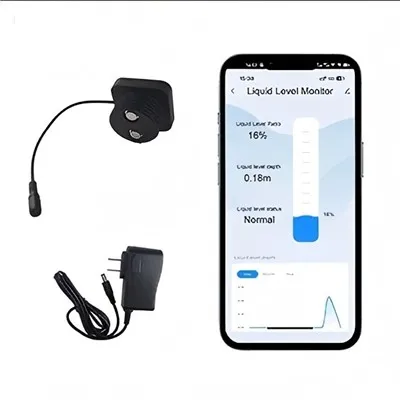
Consider a remote propane tank monitor to prevent run-outs
Last Updated: July 2026
Disclaimer: Costs, availability, and recommendations vary by location. Consult with local professionals for advice specific to your home and region.