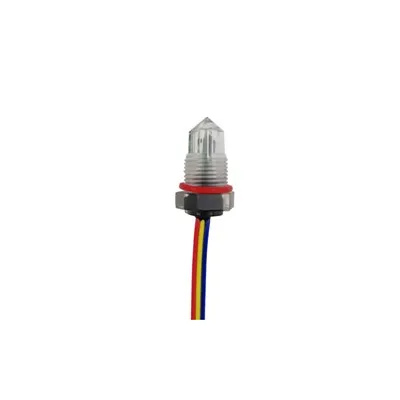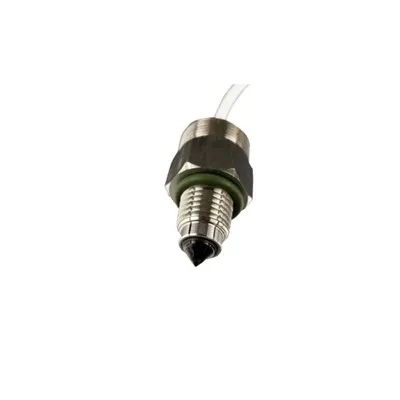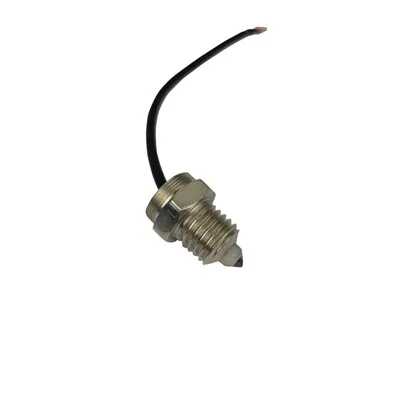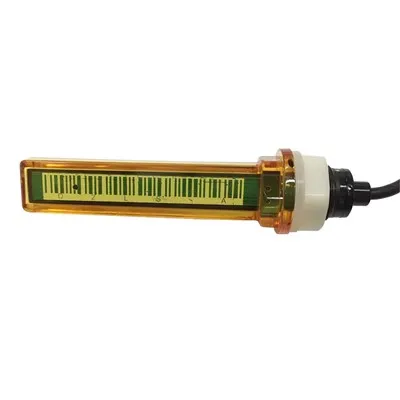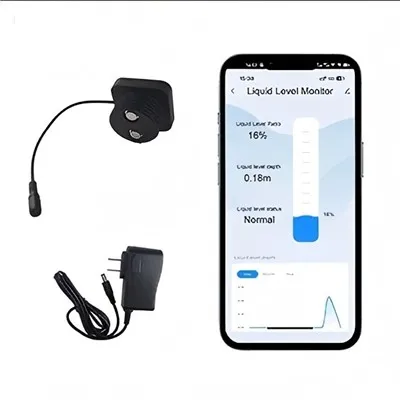
A liquid level sensor primarily consists of a sensing element, a signal processing circuit, and an output interface. The sensing element serves as the core component, responsible for detecting changes in liquid level and converting them into electrical signals. Depending on the underlying operating principle, sensing elements may utilize various methods-such as floats, capacitance, electrodes, ultrasonics, or pressure detection-to measure and monitor liquid levels.
The signal processing circuit is employed to amplify, filter, and convert the signals acquired by the sensing element, thereby enhancing the stability and accuracy of the measurement results. Once processed, these signals more accurately reflect changes in the liquid level and meet the operational requirements of downstream control systems or monitoring equipment. Furthermore, some liquid level sensors incorporate integrated temperature compensation and anti-interference capabilities to ensure reliable performance in complex operating environments.
The output interface constitutes a critical component for connecting the liquid level sensor to external devices. Common output methods include analog voltage outputs, current outputs, and digital communication interfaces, which can be selected based on specific application requirements. Additionally, liquid level sensors are typically equipped with auxiliary components-such as protective housings, mounting brackets, sealing structures, and power supply modules-to ensure the device's long-term, stable operation in humid, high-temperature, or corrosive environments.