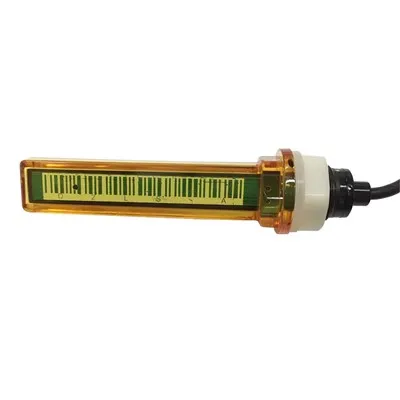
Propane Detectors: Complete Guide to Detecting Propane Gas Leaks in Homes, RVs, and Campers
In this guide: Everything you need to know about propane detectors-including what propane detectors are and why they are essential, how they work, the different types available in 2026, the best propane detectors for homes and RVs, where to install them, how to install and maintain them, how they differ from natural gas detectors and CO detectors, and answers to the most commonly asked questions about propane gas detection.
What Are Propane Detectors and Why Do You Need One?
A propane detector is an electronic safety device designed to sense the presence of propane gas (LPG - liquefied petroleum gas) in the air and alert you before a dangerous situation develops. When propane reaches a concentration that could support combustion - typically between 2.1% and 9.5% of the air volume - the detector sounds a loud alarm, giving you time to evacuate, ventilate, and address the problem.
Propane is used by millions of households across the United States, Canada, Australia, and Europe as a primary or backup energy source for:
| Application | Common Propane Uses |
|---|---|
| Residential | Home heating, water heating, cooking, fireplaces, backup generators |
| Recreational vehicles (RVs) | Cooking, heating, water heating, refrigeration |
| Campers and trailers | Cooking and heating while camping |
| Outdoor | BBQ grills, patio heaters, portable heaters, pool heaters |
| Agricultural | Grain drying, irrigation pumps, greenhouse heating |
| Commercial | Forklifts, commercial kitchens, industrial processes |
If propane is part of your life - whether at home, on the road, or in the great outdoors - a propane detector is not optional. It is essential.
Why Propane Leaks Are Dangerous
Understanding the hazard is the first step to understanding why detection matters:
The Properties That Make Propane Hazardous
| Property | What It Means | Danger Level |
|---|---|---|
| Heavier than air | Propane is 1.5 times denser than air; it sinks and pools in low areas (basements, crawl spaces, floor level) | High - accumulates at floor level where ignition sources are common |
| Flammable range 2.1%–9.5% | Between these concentrations in air, propane can explode if ignited | Very high - small ignition source causes catastrophic result |
| Stored under pressure | Liquid propane expands 270× when it vaporises; a small liquid leak becomes a large gas cloud quickly | High - rapid hazard development |
| Colourless and odourless | Propane is invisible and has no natural smell | High - leaks are not immediately apparent |
| Odorant can fade | The "rotten egg" smell can be absorbed by soil, masked by chemicals, or undetectable due to illness, age, or nose fatigue | Moderate - smell is not 100% reliable |
A propane leak in an enclosed space can fill a room to explosive concentration in minutes. One spark - from a light switch, a pilot light, static electricity, or even a phone - can cause an explosion powerful enough to level a home.
How Propane Detectors Work
Propane detectors use sensor technology specifically calibrated to detect propane and other flammable hydrocarbon gases:
Sensor Technologies
| Technology | How It Works | Propane Sensitivity | Lifespan | Best For |
|---|---|---|---|---|
| Catalytic bead (pellistor) | Heated catalyst burns gas; increased temperature changes electrical resistance | High | 3–5 years | Fixed detectors; RVs; industrial |
| Metal oxide semiconductor (MOS) | Gas changes resistance of heated metal oxide film | Moderate to high | 5–7 years | Residential fixed detectors |
| Infrared (IR) | Propane absorbs infrared light at specific wavelengths | Very high | 5–10 years | High-end detectors; commercial |
| Ultrasonic | Detects the sound of gas escaping under pressure (not gas concentration) | High for pressurised leaks | 5–10 years | Leak location; hidden leaks |
Alarm Thresholds
Quality propane detectors alarm well before explosive concentrations are reached:
| Measurement | Level | Significance |
|---|---|---|
| LEL (Lower Explosive Limit) | 2.1% propane in air | Concentration at which propane can burn if ignited |
| Typical alarm threshold | 10–25% of LEL (0.21–0.52%) | Gives 10–25× safety margin before explosive range |
| Upper Explosive Limit (UEL) | 9.5% propane in air | Upper boundary of flammable range |
A detector that alarms at 10–25% of the LEL gives you substantial warning to evacuate and ventilate before the gas reaches the explosive range.
Types of Propane Detectors
Type 1: Fixed Wall-Mount Propane Detectors
Permanently installed detectors that provide 24/7 monitoring of your home or RV:
| Product | Detects | Power | Mounting | Alarm | Price | Rating |
|---|---|---|---|---|---|---|
| Safe-T-Alert 70-742-WT | Propane + CO | 12V DC hardwired | Low wall (4–6 inches from floor) | 85 dB + LED | $70–100 | ★★★★★ Best overall for RVs and propane homes |
| MTI Industries 20-441-P-WT | Propane only | 12V DC hardwired | Low wall | 85 dB + LED | $40–60 | ★★★★☆ Reliable propane-only option |
| Safe-T-Alert 20-441-P-WT | Propane only | 12V DC hardwired | Low wall | 85 dB + LED | $40–60 | ★★★★☆ Budget propane-only option |
| Camco 44401 | Propane only | 12V DC hardwired | Low wall | 85 dB | $30–45 | ★★★★☆ Best budget choice |
Type 2: Propane + Carbon Monoxide Combination Detectors
Dual-sensor devices that monitor both propane and CO - the most comprehensive protection for propane-equipped homes and RVs:
| Product | Detects | Power | Alarm | Best For | Price |
|---|---|---|---|---|---|
| Safe-T-Alert 70-742-WT | Propane + CO | 12V DC hardwired | 85 dB + LED indicators | RVs and propane homes | $70–100 |
| MTI Industries 70-741-R-KD | Propane + CO | 12V DC hardwired | 85 dB + LED indicators | RVs and propane homes | $65–90 |
| Atwood 36681 | Propane + CO | 12V DC hardwired | Audible + LED | RVs | $50–80 |
Type 3: Portable Handheld Propane Detectors
Battery-powered handheld devices for inspecting connections, finding leaks, and on-the-go safety:
| Product | Type | Power | Sensitivity | Price | Best For |
|---|---|---|---|---|---|
| UEi CD100A | Handheld semiconductor | 2× AA batteries | High | $40–60 | DIY leak checking; RV inspections |
| Amprobe GSD600 | Handheld semiconductor | 2× AA batteries | High | $30–50 | Budget leak detection |
| Amprobe GSD500 | Handheld semiconductor | 2× AA batteries | Moderate | $25–40 | Basic leak detection |
Type 4: Plug-In Propane Detectors (Limited Options)
Standard residential 120V AC plug-in propane detectors are less common than natural gas plug-in detectors, because most propane systems are in rural areas without natural gas service:
| Product | Detects | Power | Notes | Price |
|---|---|---|---|---|
| Ei Electronics Ei207D | Propane (LPG) | 230V AC (Europe) | Popular in Europe; not common in US market | $50–70 |
| Kidde PI9010 | Propane (LP) | 9V battery | Battery-powered; not a plug-in | $35–50 |
Most propane detectors are 12V DC hardwired because propane is commonly used in RVs, trailers, and rural homes where 12V DC systems are standard.
Propane Detectors vs Natural Gas Detectors vs CO Detectors
These three detector types serve different purposes and are not interchangeable:
Key Differences
| Feature | Propane Detectors | Natural Gas Detectors | Carbon Monoxide Detectors |
|---|---|---|---|
| What they detect | Propane (LPG - C₃H₈) | Natural gas (methane - CH₄) | Carbon monoxide (CO) |
| Primary danger | Fire and explosion | Fire and explosion | Poisoning and death |
| Sensor technology | Catalytic or MOS | Catalytic or MOS | Electrochemical |
| Gas density | Heavier than air (sinks) | Lighter than air (rises) | Equal to air (mixes evenly) |
| Mounting height | Low (4–6 inches from floor) | High (near ceiling) | Any height |
| Detects the other two? | No | No | No |
| Interchangeable? | No | No | No |
This table is critical: a natural gas detector cannot detect propane, and neither a propane detector nor a natural gas detector can detect carbon monoxide. You need all three types if your home has both propane and natural gas, or if your propane appliances could produce CO.
What Propane Detectors Do NOT Detect
| Gas | Why Propane Detectors Miss It | Detector Needed |
|---|---|---|
| Natural gas (methane) | Different chemical; different calibration | Natural gas detector |
| Carbon monoxide (CO) | Different hazard type; requires electrochemical sensor | CO detector |
| Butane | Different chemical; may detect at reduced sensitivity | Butane detector or broad-range combustible gas detector |
Where to Install Propane Detectors
Correct placement is critical - propane is heavier than air and sinks to floor level:
Installation Height
| Location | Mount 4–6 Inches From Floor | Why |
|---|---|---|
| Near propane appliances | ✅ Yes | Propane leaks from appliances settle at floor level |
| In the basement | ✅ Yes | Basements are lowest point; propane pools there |
| Near floor level on all floors | ✅ Yes | Ensures detection regardless of leak location |
| Near ceiling | ❌ No | Propane sinks; will not reach ceiling in time |
| Behind furniture | ❌ No | Furniture blocks airflow to sensor |
| Near windows or vents | ❌ No | Airflow disperses propane before it reaches detector |
Where to Install Propane Detectors in Different Settings
| Setting | Minimum Detectors | Recommended Locations |
|---|---|---|
| Home with propane appliances | 1 per floor | Basement (low), utility room (low), near propane appliances |
| RV with propane | 1 minimum | Near floor in living area; near propane appliances |
| Camper or travel trailer | 1 minimum | Low wall in main living area |
| Home with propane and natural gas | 2 propane (low) + 1 natural gas (high) per floor | Propane detector low; natural gas detector high |
| Home with propane and CO appliances | 1 propane + 1 CO per floor | Separate detectors for each hazard |
How to Install Propane Detectors
Installing Hardwired 12V DC Detectors (RVs and Some Homes)
| Step | Action |
|---|---|
| 1 | Turn off 12V DC power to the circuit at the distribution panel |
| 2 | Choose mounting location (4–6 inches from floor; near appliances) |
| 3 | Mount the detector base using screws (included) |
| 4 | Connect wiring: positive (+), negative (−), and any interconnect wires |
| 5 | Restore 12V DC power |
| 6 | Allow 2–5 minutes for sensor warm-up |
| 7 | Test using the test button - both propane and CO alarms should sound |
| 8 | Write installation date on the detector for maintenance tracking |
Installing Portable Detectors
| Step | Action |
|---|---|
| 1 | Install batteries (typically 2× AA) |
| 2 | Allow 30–60 seconds for sensor to warm up |
| 3 | Test using the test button |
| 4 | Place at low height (floor level or 4–6 inches from floor) |
| 5 | Use during propane appliance inspection, RV setup, or camping |
Maintenance and Testing
Monthly Testing
| Test | How | What to Check |
|---|---|---|
| Test button | Press and hold until alarm sounds | Detector electronics are working; audible alarm is loud |
| Visual inspection | Look at detector for damage or blockage | Vents clear; no physical damage; LED indicators normal |
Annual Maintenance
| Task | Details |
|---|---|
| Vacuum vents gently | Use brush attachment to remove dust from sensor vents |
| Check wiring connections | Ensure wires are secure; no corrosion |
| Check power supply | Verify battery levels or hardwired power is stable |
| Review installation date | Note age for replacement planning |
| Full system inspection | Consider annual professional inspection of propane system |
Replacement Schedule
| Detector Type | Typical Lifespan | Replace When |
|---|---|---|
| Catalytic bead sensor | 3–5 years | Sensor drift; false alarms; end-of-life chirp |
| MOS sensor | 5–7 years | Sensor drift; end-of-life indicator |
| Handheld detector | 5–7 years | Sensor drift; failed calibration |
| End-of-life indicator | Most models alert when replacement needed | Replace immediately |
What to Do When a Propane Detector Alarms
When your propane detector alarms, take it seriously every single time:
| Step | Action | Why |
|---|---|---|
| 1 | Do NOT ignore the alarm | Treat every alarm as a real emergency until proven otherwise |
| 2 | Do NOT operate electrical switches, phones, or appliances | Sparks can ignite propane vapour |
| 3 | Do NOT light matches, candles, or cigarettes | Open flames are ignition sources |
| 4 | Do NOT start vehicles or generators | Engines and electrical systems are ignition sources |
| 5 | Turn off propane at the tank valve if safe to do so | Stops further gas escape |
| 6 | Evacuate everyone from the building or RV | Protect lives |
| 7 | Leave doors and windows open as you exit | Begin ventilating the space |
| 8 | Move at least 100 feet (30 metres) from the building | Safe distance |
| 9 | Call your propane supplier from a safe location | They can shut off supply and inspect |
| 10 | If smell is strong or anyone feels ill, call 911 | Emergency response |
| 11 | Do NOT re-enter until a professional has inspected and cleared the space | Residual propane may still be present |
Best Propane Detectors in 2026: Top Recommendations
Best Overall Propane Detector
| Product | Rating | Why |
|---|---|---|
| Safe-T-Alert 70-742-WT | ★★★★★ | Dual propane + CO detection; 12V DC hardwired; proven reliability; industry standard for RVs |
Best Propane-Only Detector (Budget)
| Product | Rating | Why |
|---|---|---|
| MTI Industries 20-441-P-WT | ★★★★☆ | Reliable propane detection; affordable; 12V DC hardwired |
Best Portable Propane Detector
| Product | Rating | Why |
|---|---|---|
| UEi CD100A | ★★★★★ | High sensitivity; professional-grade; excellent value; perfect for DIY inspections |
Best Propane + CO Combination for RVs
| Product | Rating | Why |
|---|---|---|
| Safe-T-Alert 70-742-WT | ★★★★★ | Industry standard for RVs; dual detection; 12V DC hardwired; 85 dB alarm |
Best Propane + CO Combination for Homes
| Product | Rating | Why |
|---|---|---|
| Safe-T-Alert 70-742-WT (hardwired) or MTI 70-741-R-KD | ★★★★★ | Dual detection; continuous monitoring; 12V DC or 120V AC options available |
Frequently Asked Questions
Q1: Can a propane detector detect natural gas?
No - propane detectors are calibrated specifically for propane (and often butane) and do not reliably detect natural gas (methane). Natural gas is a different chemical compound with different physical properties. You need a natural gas detector for natural gas detection. The same applies in reverse: a natural gas detector will not detect propane.
Q2: Do I need a carbon monoxide detector if I have a propane detector?
Yes - propane detectors and carbon monoxide detectors detect completely different hazards:
| Detector | Detects | Does NOT Detect |
|---|---|---|
| Propane detector | Propane gas leaks (unburned fuel) | Carbon monoxide |
| CO detector | Carbon monoxide from incomplete combustion | Propane gas leaks |
Propane appliances can produce carbon monoxide if they are malfunctioning, have blocked vents, or are used in enclosed spaces. You need both detectors for complete protection. Many manufacturers offer combination propane + CO detectors (like the Safe-T-Alert 70-742-WT) that provide both protections in a single device.
Q3: Where is the best place to mount a propane detector in a home?
Mount propane detectors 4–6 inches from the floor on an interior wall near your propane appliances and near any sleeping areas. Propane is heavier than air and sinks to floor level, so low mounting is critical. Install at least one detector on each level of your home that has propane appliances, and always in the basement (propane pools there). Do not mount near windows, vents, or ceiling fans, as airflow disperses propane.
Q4: What is the difference between a propane detector and a combustible gas detector?
| Feature | Propane Detector | Broad-Range Combustible Gas Detector |
|---|---|---|
| Calibration | Specifically calibrated for propane (C₃H₈) | Calibrated for multiple gases (methane, propane, butane, hydrogen) |
| Sensitivity to propane | Highest sensitivity | May have reduced sensitivity to propane |
| Alarm threshold | Set for propane's LEL (2.1%) | Set for specific reference gas; may not match propane |
| Best use | Propane-only systems | Multi-fuel homes or industrial settings |
For homes with propane-only systems, a detector specifically calibrated for propane is the best choice.
Q5: How long do propane detectors last?
Most propane detectors last 5–7 years, depending on the sensor technology:
| Sensor Type | Lifespan | Notes |
|---|---|---|
| Catalytic bead (pellistor) | 3–5 years | More sensitive to low concentrations; degrades faster |
| Metal oxide semiconductor (MOS) | 5–7 years | More stable over time; slower degradation |
| Electrochemical (CO sensor) | 5–7 years | Used in CO sensors in combination detectors |
Replace your propane detector when it reaches its rated lifespan, even if it appears to be working. Sensors degrade and lose sensitivity over time.
Q6: Can I use a propane detector in my RV?
Absolutely - propane detectors are standard safety equipment in RVs. In fact, they are required by RV safety standards. Safe-T-Alert 70-742-WT is the most widely recommended propane + CO detector for RVs because it:
Operates on 12V DC (standard RV electrical system)
Mounts at the correct low height
Detects both propane leaks and carbon monoxide
Is certified to RV safety standards
Produces an 85 dB alarm loud enough to be heard from the bedroom
Install at least one propane detector in every RV with propane appliances.
Q7: Why do propane detectors sometimes false alarm near the stove?
Cooking can produce vapours that interfere with propane detector sensors. Gas stoves, especially when first lit or when flames are yellow (indicating incomplete combustion), can release small amounts of unburned propane or other combustible gases that trigger the detector. To minimise false alarms:
Ensure proper burner adjustment (blue flames = complete combustion)
Use the range hood exhaust fan while cooking
Place propane detectors at least 5–10 feet away from cooking surfaces
Ventilate the kitchen before and during cooking
If false alarms persist, have your stove and detector inspected by a professional.
The Bottom Line: Propane Detection Saves Lives
Propane detectors are one of the most important safety investments you can make for your home, RV, or outdoor activities. The cost of a quality detector ($30–100) is negligible compared to the cost of a propane explosion, a house fire, or a carbon monoxide tragedy.
Key recommendations for 2026:
| Situation | Recommended Detector | Approx. Cost |
|---|---|---|
| RV with propane | Safe-T-Alert 70-742-WT (propane + CO) | $70–100 |
| Propane home (minimum protection) | MTI Industries 20-441-P-WT (propane only) | $40–60 |
| Propane home (comprehensive protection) | Safe-T-Alert 70-742-WT (propane + CO) | $70–100 |
| Home with propane and natural gas | Propane detector (low) + natural gas detector (high) | $80–120 total |
| DIY leak inspections | UEi CD100A portable detector | $40–60 |
Detection checklist:
✅ Install propane detectors at 4–6 inches from floor level
✅ Install at least one detector on each floor with propane appliances
✅ Install in the basement (propane pools there)
✅ Place near propane appliances and outside sleeping areas
✅ Choose propane + CO combination detectors for comprehensive protection
✅ Test detectors monthly using the test button
✅ Replace batteries annually (battery-powered units)
✅ Replace detectors every 5–7 years or when end-of-life indicator sounds
✅ Know what to do when the alarm sounds - and practise it
Propane is a wonderful fuel - efficient, clean, and versatile. But it demands respect. A propane detector gives you the early warning you need to prevent a catastrophe. Install one today.
Last updated: July 2026
Disclaimer: This guide provides general information about propane detectors for educational purposes. Product specifications, features, and pricing are subject to change. Always verify current information from the manufacturer's official documentation. Propane systems involve flammable gas under pressure; installation and maintenance should be performed according to manufacturer guidelines and applicable codes. In case of alarm, evacuate immediately and contact your propane supplier or emergency services.