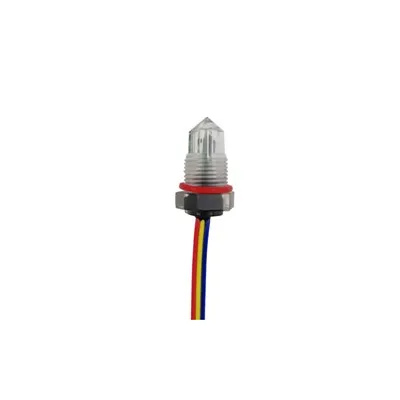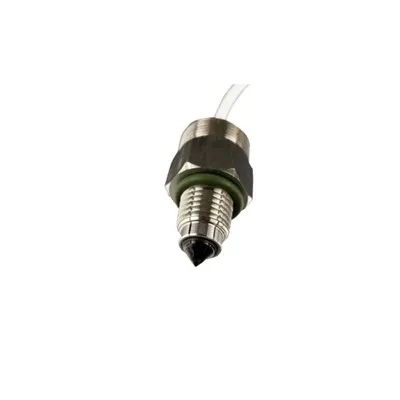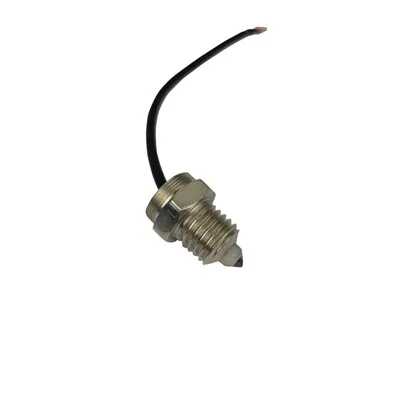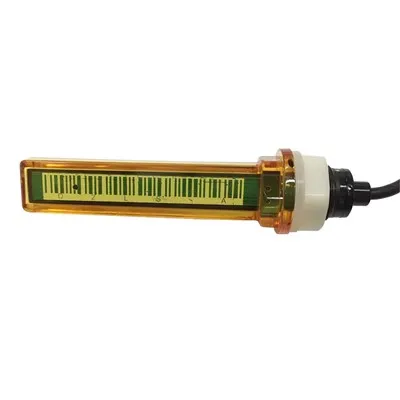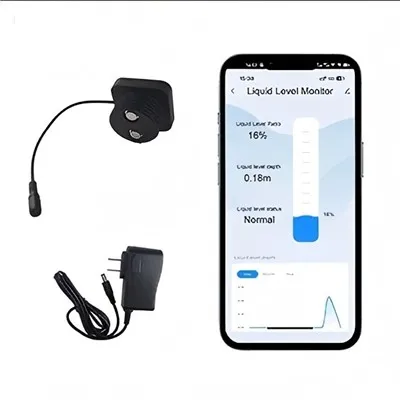
The physical form of a liquid level sensor varies depending on its operating principle and intended application, though they can generally be categorized into several common structural types. Float-type liquid level sensors typically feature an elongated rod or tubular structure, along which one or more floats are positioned to move vertically in tandem with the liquid level for detection purposes; this design is frequently utilized in equipment such as water tanks and storage vessels.
Capacitive and electrode-type liquid level sensors generally possess a simpler form factor-often consisting of a slender probe or rod-like structure-facilitating easy immersion into the liquid for continuous measurement. These sensors feature a compact design with no significant moving parts, making them well-suited for installation in environments where space is limited or where high operational reliability is paramount.
Ultrasonic liquid level sensors, conversely, tend to adopt a "head-and-housing" configuration; the upper section typically features a circular or flat transducer probe, connected below to an electronic housing, designed to be mounted atop a container for non-contact measurement. Furthermore, certain industrial-grade liquid level sensors may employ cylindrical, explosion-proof, or flange-mounted designs to comply with diverse industrial standards and meet specific installation requirements.