Optimal Installation Location
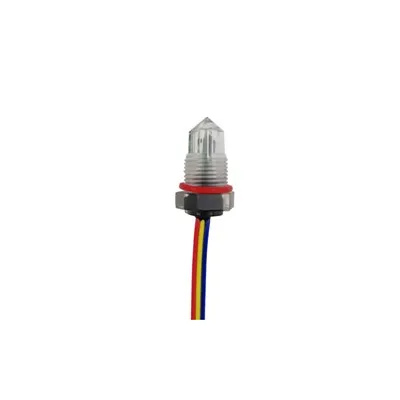
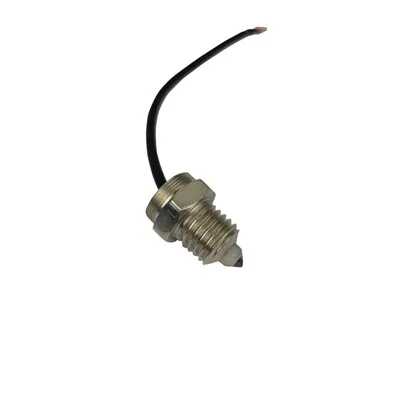
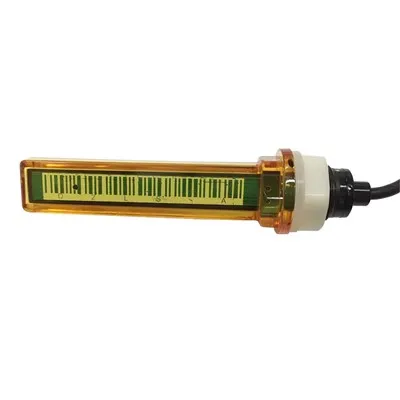
When installing, select an area where the liquid flow is steady and free of accumulated bubbles or impurities. Avoid locations near inlets, outlets, agitators, or pump ports to prevent liquid level fluctuations or bubbles from compromising measurement accuracy. For float-type or rod-style sensors, ensure the sensing element is mounted either vertically or horizontally; avoid tilting, which could cause the float to jam or result in measurement errors.
Signal Debugging and Calibration
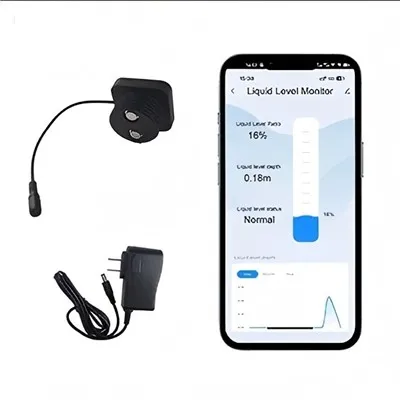
Newly installed liquid level sensors require initial calibration; adjust the zero point and full-scale range based on the actual height of the liquid. For sensors with analog or digital outputs, monitor the feedback signals via the control system to confirm signal stability before putting the device into full operational service. For systems in continuous long-term operation, periodically check the sensor's output values and recalibrate as necessary.
Routine Operation and Maintenance
Keep the surfaces of the sensor probe and float clean to prevent dirt, scale buildup, or sediment from affecting measurements. Ensure electrical connection cables are securely fastened to prevent damage caused by vibration or pulling. For applications involving corrosive or high-temperature liquids, select corrosion-resistant or high-temperature-rated sensors, and periodically inspect the sealing components. Sensors that are to be taken out of service for an extended period should be powered off and stored properly to prevent moisture ingress or mechanical damage.
Interference Prevention and Environmental Adaptation
Avoid installing sensors in areas subject to strong electromagnetic interference or in close proximity to high-voltage electrical equipment. For ultrasonic or radar-based liquid level sensors, ensure the probe remains unobstructed and free from reflective objects that could interfere with the echo signals. In environments prone to freezing or high levels of steam, consider installing protective shields or selecting sensor models specifically designed for high-temperature conditions.