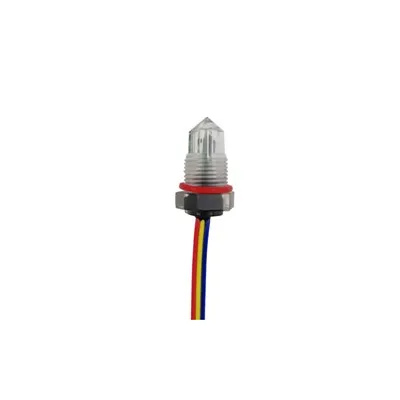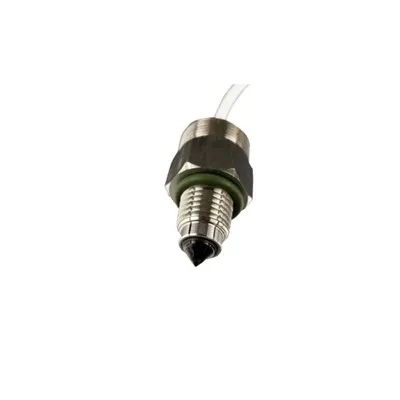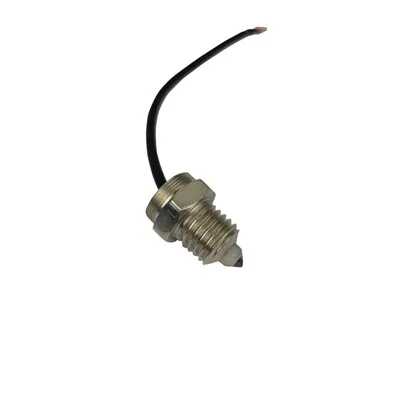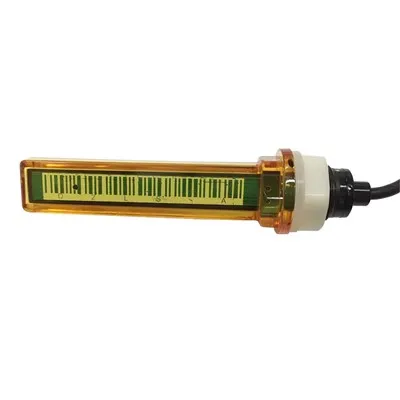
Pipe Diameter and Dimensions
Flowmeters are typically categorized by their nominal pipe diameter (DN, measured in millimeters)-for example, DN15, DN50, DN100, etc. The pipe diameter directly influences the measurement range and flow velocity, while also determining the specifications for the mounting flanges or threads. Flowmeters of different diameters are suited for different piping systems and must be properly matched to the specific pipeline.
Measurement Range
Flowmeter specifications include both the minimum and maximum flow rates, typically expressed in terms of volume or mass per unit of time-such as m³/h, L/min, or kg/h. When making a selection, it is essential to ensure that the flowmeter's measurement accuracy meets the required standards across the entire range of operating conditions.
Accuracy Class
Flowmeter specifications also define the accuracy class-for instance, ±0.5% or ±1.0% FS (Full Scale)-which indicates the permissible margin of measurement error. High-accuracy flowmeters are frequently utilized for fiscal metering (trade settlement) or critical process control, whereas lower-accuracy flowmeters are suitable for general industrial monitoring applications.
Operating Conditions
Specifications typically stipulate the permissible operating pressure, operating temperature, type of medium, and ingress protection (IP) rating (e.g., IP65, IP67) to ensure the flowmeter operates safely and reliably under actual field conditions. For specialized operating environments, it may also be necessary to select materials that offer resistance to corrosion, high temperatures, or abrasion.
Interfaces and Installation Methods
Flowmeter specifications also cover the connection method-such as flanged connections, threaded connections, or insertion-style mounting. The chosen installation method must be compatible with the existing piping system to ensure a smooth fluid flow path and facilitate ease of maintenance.