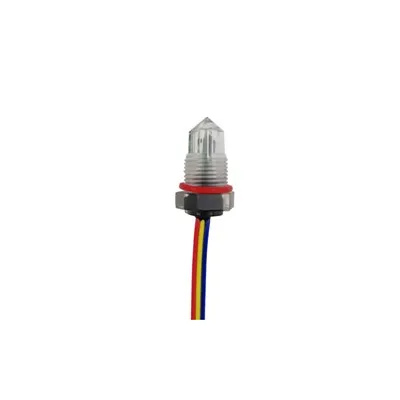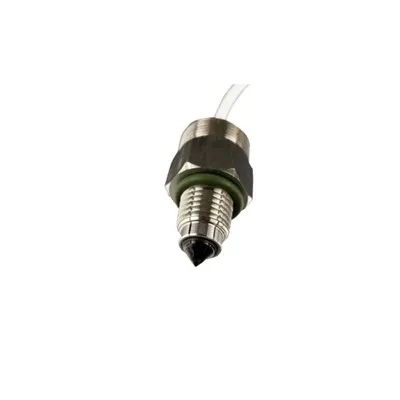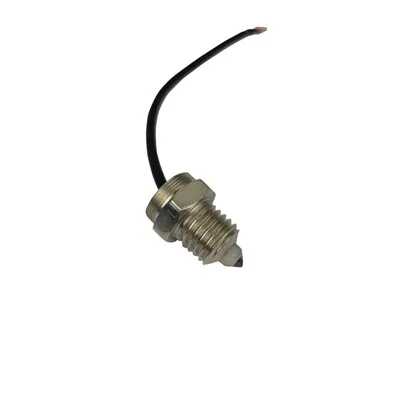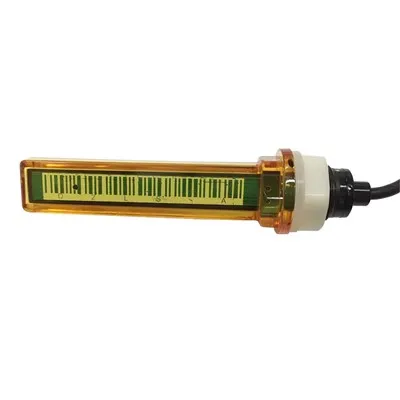
The sealing performance of a flowmeter is a critical metric for assessing its safety and reliability; it primarily refers to the device's ability to prevent the leakage of liquids or gases under specified pressure, temperature, and media conditions. Robust sealing performance serves to prevent media leakage, minimize measurement errors, and safeguard both the on-site environment and personnel safety.
In terms of structural design, flowmeters typically achieve sealing through the use of O-rings, gaskets, flanged connections, and welded assemblies. Common sealing materials include rubber and polytetrafluoroethylene (PTFE); these materials possess excellent corrosion resistance and elasticity, enabling them to accommodate a wide range of media and temperature conditions. For applications involving high pressure or highly corrosive environments, metal seals or dual-sealing structures are often employed to enhance the overall safety rating.
Regarding performance requirements, flowmeters typically undergo pressure tests, airtightness tests, or hydrostatic tests to validate the effectiveness of their sealing mechanisms. During these testing procedures, it is essential to ensure that no leakage occurs-even under conditions exceeding the rated working pressure by a specified safety margin. Furthermore, during long-term operation, sealing performance can be compromised by temperature fluctuations, media corrosion, and mechanical vibrations; consequently, it is imperative to conduct periodic inspections of the sealing components for signs of aging and to replace them in a timely manner.