Can You Use Propane in Cold Weather? Complete Winter Guide
Everything You Need to Know About Propane Performance, Vaporization, and Safety in Freezing Temperatures
Introduction: The Big Question
Can you use propane in cold weather?
Short answer: Yes, you can use propane in cold weather, but there are important limitations. Propane can freeze (well, it stops vaporizing) at extremely low temperatures, and the colder it gets, the less vapor your tank can produce.
The longer answer: Propane works differently in cold weather than many people expect. Understanding how cold affects propane - and what to do about it - can mean the difference between staying warm and running out of gas during a winter storm.
What This Guide Covers:
How cold affects propane
At what temperature propane stops working
Propane freezing point vs. vaporization point
How to use propane in winter
Preventing propane issues in cold weather
Propane tank size and cold weather
Propane vs. other fuels in winter
Safety in cold weather
Frequently asked questions
Part 1: How Cold Weather Affects Propane
Propane's Physical Properties
Propane (C₃H₈) is a hydrocarbon that exists as a gas at normal temperature and pressure. It's stored as a liquid under pressure in tanks.
Key Properties:
| Property | Value |
|---|---|
| Boiling point | -44°F (-42°C) |
| Freezing point | -306°F (-188°C) |
| Vapor pressure at 70°F | 110-130 PSI |
| Vapor pressure at 0°F | 25-30 PSI |
| Vapor pressure at -20°F | 15-20 PSI |
The Critical Concept: Propane Does NOT Freeze (At Normal Temperatures)
Important distinction:
Propane freezing point: -306°F (-188°C) - You will never experience this
Propane boiling/vaporization point: -44°F (-42°C) - This is the relevant number
So propane doesn't "freeze" in winter weather. But it does stop vaporizing effectively when the tank gets too cold.
What Actually Happens to Propane in Cold Weather
The Problem Isn't Freezing - It's Vaporization
Propane is stored as a liquid in the tank
To use it, the liquid must vaporize (turn into gas)
Vaporization requires heat - propane absorbs heat from the tank walls and surrounding air
In cold weather, there's less heat available
Less vaporization means lower pressure
Lower pressure means less gas to your appliances
Cold Weather Effect on Propane Pressure
| Temperature | Vapor Pressure | Appliance Performance |
|---|---|---|
| 70°F (summer) | 110-130 PSI | Excellent |
| 32°F (freezing) | 50-60 PSI | Good |
| 0°F | 25-30 PSI | Reduced |
| -20°F | 15-20 PSI | Marginal |
| -44°F | 0 PSI (boiling point) | Will not vaporize |
Key Insight: The colder it gets, the lower the vapor pressure. Below about -20°F to -44°F, propane will not produce enough vapor to run most appliances reliably.
Part 2: At What Temperature Does Propane Stop Working?
The Short Answer
Above 0°F: Propane works normally for most applications
0°F to -20°F: Performance drops, larger draw appliances may struggle
-20°F to -44°F: Significant issues, may not work at all
Below -44°F: Propane will not vaporize - appliances will not work
Factors That Affect the "Stop Working" Temperature
The actual temperature at which propane stops working depends on:
1. Appliance Demand (BTU Draw)
| Appliance | BTU Demand | Cold Sensitivity |
|---|---|---|
| Small space heater | 10,000-30,000 BTU | Low |
| Furnace (home) | 80,000-150,000 BTU | Medium |
| Water heater | 40,000-60,000 BTU | Medium |
| Generator (7,000W) | 150,000-200,000 BTU | High |
| Multiple appliances | 200,000+ BTU | Very high |
2. Tank Size
| Tank Size | Surface Area | Cold Performance |
|---|---|---|
| 20 lb grill tank | Small | Poor |
| 100-120 gallon | Medium | Moderate |
| 250 gallon | Large | Good |
| 500 gallon | Very large | Excellent |
| 1000 gallon | Largest | Best |
3. Tank Fill Level
| Fill Level | Cold Performance |
|---|---|
| 80% (full) | Best - more liquid surface area for vaporization |
| 50% | Moderate |
| 30% | Reduced |
| 10% | Poor - very little liquid to vaporize |
4. Wind Exposure
| Condition | Effect |
|---|---|
| Sheltered tank | Better - less heat loss |
| Exposed tank | Worse - wind chill cools tank faster |
Real-World Scenarios
Scenario 1: Small Grill Tank (20 lb) at 10°F
Appliances: Single burner or small grill
Works? ✅ Yes, for low demand
If running a large appliance? ❌ May struggle
Scenario 2: 120-gallon Tank at -15°F
Appliances: Home furnace, water heater
Works? ⚠️ Marginal - furnace may work, but not at full capacity
Scenario 3: 500-gallon Tank at -30°F
Appliances: Full home heating
Works? ❌ Very unlikely - propane won't vaporize fast enough
Part 3: Can Propane Freeze?
The Real Answer
Propane itself does NOT freeze in any weather you'll experience.
Propane freezing point: -306°F (-188°C)
Coldest recorded temp on Earth: -128.6°F (-89.2°C)
Coldest inhabited places: -60°F to -80°F (-51°C to -62°C)
So propane will NEVER freeze in any practical situation.
What "Propane Freeze" Actually Means
When people say "propane froze," they usually mean one of these:
1. Propane Stopped Vaporizing
Tank temperature dropped below -44°F
Propane can't turn from liquid to gas
Result: No gas to appliances
Fix: Warm the tank
2. Regulator Froze
Moisture in propane froze in the regulator
Result: Blocked gas flow
Fix: Use dry propane, replace regulator
3. Tank Froze (Not Propane)
Tank exterior iced up from condensation
Result: Reduced heat absorption
Fix: Shelter or insulate (partially)
4. Lines Froze
Water/moisture froze in gas lines
Result: Blocked gas flow
Fix: Keep moisture out of system
Part 4: How to Use Propane in Cold Weather
7 Tips for Winter Propane Use
Tip 1: Keep Your Tank Full ⭐
Why it matters: A full tank has more liquid surface area for vaporization and more thermal mass to resist cooling.
Rules of thumb:
Start winter with a full tank
Don't let tank drop below 30% in winter
Order refill at 40-50% during cold months
Emergency deliveries in winter cost more and take longer
Fill Level vs. Cold Performance:
| Fill Level | Tank Surface Area Contact | Vaporization Rate |
|---|---|---|
| 80% (full) | Maximum | Best |
| 50% | Moderate | Average |
| 30% | Low | Reduced |
| 10% | Very low | Poor |
Tip 2: Use the Right Tank Size
Undersized tanks are the #1 cause of cold-weather propane problems.
Tank Size Recommendation:
| Home Size | Heating Demand | Minimum Tank Size (Cold Climate) |
|---|---|---|
| Small (1,000 sq ft) | 50,000 BTU/hr | 120 gallon |
| Medium (1,500-2,000 sq ft) | 80,000 BTU/hr | 250 gallon |
| Large (2,500-3,000 sq ft) | 120,000 BTU/hr | 500 gallon |
| Very large (3,500+ sq ft) | 150,000+ BTU/hr | 1000 gallon |
Why Tank Size Matters:
| Tank Size | Liquid Surface Area | Heat Absorption | Vaporization Rate |
|---|---|---|---|
| 20 lb | 0.5 sq ft | Very low | 10,000-20,000 BTU/hr |
| 100 gal | 3 sq ft | Low | 50,000-80,000 BTU/hr |
| 250 gal | 5 sq ft | Moderate | 100,000-150,000 BTU/hr |
| 500 gal | 8 sq ft | Good | 200,000-300,000 BTU/hr |
| 1000 gal | 12 sq ft | Excellent | 400,000+ BTU/hr |
Rule of thumb: A larger tank has more surface area exposed to ambient air, allowing it to absorb more heat and vaporize propane faster.
Tip 3: Shelter the Tank (Wind Protection)
Why: Wind accelerates heat loss from the tank, reducing vaporization rate.
How to shelter:
| Method | Effectiveness | Ease |
|---|---|---|
| Natural windbreak (trees, buildings) | ✅ Good | Easy |
| Fence or wall on prevailing wind side | ✅ Good | Moderate |
| Propane tank enclosure (ventilated) | ✅ Very good | Moderate |
| Tank blanket/cover | ⚠️ Minimal | Easy |
Wind Protection Rules:
Don't fully enclose the tank - needs ventilation
Block wind from the prevailing direction
Leave the top and sides partially exposed
Don't cover the regulator or valves
Wind Chill Effect on Tank:
| Wind Speed | Effective Temperature (at 10°F ambient) |
|---|---|
| 0 mph | 10°F |
| 10 mph | -10°F |
| 20 mph | -25°F |
| 30 mph | -35°F |
Bottom line: Block the wind, and your tank will perform much better.
Tip 4: Size Your Appliances Appropriately
High-demand appliances struggle in cold weather:
| Appliance | BTU | Minimum Tank Temp |
|---|---|---|
| Small heater | 15,000 BTU | -40°F |
| Furnace | 100,000 BTU | -20°F |
| Generator | 175,000 BTU | -10°F |
| Multiple at once | 200,000+ BTU | 0°F |
Winter usage tips:
Don't run multiple high-demand appliances simultaneously
Stagger usage: furnace runs, then water heater, then generator
Allow recovery time between heavy draws
Tip 5: Monitor Propane Level More Frequently
Winter checking frequency:
| Condition | Check Frequency |
|---|---|
| Mild winter (above 32°F) | Weekly |
| Cold (below 32°F) | Every 2-3 days |
| Very cold (below 0°F) | Daily |
| Extreme cold (below -20°F) | Twice daily |
| During/heavy appliance use | After each use |
With remote monitoring: Check anytime via app (recommended) Without remote monitoring: Walk to tank and check gauge
Tip 6: Keep Snow and Ice Off the Tank
Why it matters:
Snow insulates the tank (prevents heat absorption)
Ice adds weight
Ice can block vents and valves
Snow cover hides potential issues
What to do:
Gently brush snow off the tank top
Clear ice from around the tank base
Keep regulator and piping clear
Don't hit the tank with ice scrapers or shovels
Don't:
Don't pour hot water on a frozen tank (thermal shock)
Don't use sharp tools near tank
Don't pile snow around the tank
Tip 7: Consider a Propane Heater or Vaporizer
For extreme cold climates:
Option 1: Tank Heater
| Type | How It Works | Cost |
|---|---|---|
| Electric tank heater | Heats water/glycol in tank bottom | $500-1500 |
| Propane vaporizer | Uses propane to heat propane | $1000-3000 |
| Regulator heater | Heats regulator to prevent freeze-up | $50-200 |
Option 2: Underground Tank
| Feature | Above-Ground | Underground |
|---|---|---|
| Temperature | Depends on air temp | 45-55°F constant |
| Vaporization | Seasonal variation | Year-round consistent |
| Ice/Snow | Exposed | Protected |
| Cost | Lower | Higher |
Underground tanks don't have cold-weather issues because the ground stays above freezing year-round.
Part 5: Propane vs. Other Fuels in Cold Weather
Comparison
| Fuel | Cold Weather Performance | Pros | Cons |
|---|---|---|---|
| Propane | Good (down to -44°F) | Clean, efficient, available | Decreased vaporization at extreme cold |
| Natural Gas | Excellent | No tank needed | Requires pipeline, not available everywhere |
| Heating Oil | Very good | Works in extreme cold | Dirtier, more maintenance |
| Electric | Excellent | No fuel storage | Expensive, grid-dependent |
| Wood | Excellent | Renewable, cheap | Labor-intensive, storage |
Propane Strengths in Cold Weather
✅ Works in most cold weather (down to -44°F)
✅ Clean burning (less maintenance)
✅ Stored on-site (no pipeline needed)
✅ Efficient (high BTU content)
✅ Automatic delivery available
Propane Weaknesses in Cold Weather
❌ Vaporization decreases below 0°F
❌ May not work below -44°F
❌ Requires adequate tank size
❌ Wind chill affects performance
Part 6: Propane Tank Sizing for Cold Climates
Sizing Guidelines
Minimum Tank Size for Cold Weather:
| Climate | Home Size | Recommended Tank |
|---|---|---|
| Mild (rarely below 20°F) | Any | 120-250 gallon |
| Cold (0°F to 20°F) | Small-Medium | 250 gallon |
| Cold (0°F to 20°F) | Large | 500 gallon |
| Very cold (-20°F to 0°F) | Small-Medium | 500 gallon |
| Very cold (-20°F to 0°F) | Large | 1000 gallon |
| Extreme cold (below -20°F) | Any | 1000+ gallon or underground |
If you have an undersized tank:
You may run out of gas even when tank shows 30-40% full
Propane can't vaporize fast enough to meet demand
Solution: Add propane vaporizer or upgrade tank size
Signs Your Tank Is Undersized for Winter
❄️ Appliances run poorly in cold weather
❄️ Frost/ice on tank bottom during heavy use
❄️ Pressure drops when multiple appliances run
❄️ Tank runs out faster than expected
Part 7: Safety in Cold Weather
Propane Safety in Winter
Do's:
✅ Keep tank accessible for emergency shutdown ✅ Clear snow from around tank ✅ Check vents on appliances (snow can block them) ✅ Monitor carbon monoxide detectors (more critical when home sealed) ✅ Know where shutoff valve is before you need it ✅ Keep gauge visible and check regularly
Don'ts:
❌ Don't use open flames to thaw frozen regulators ❌ Don't pour hot water on frozen tank ❌ Don't hit ice off tank with metal tools ❌ Don't pile snow around or on top of tank ❌ Don't ignore low levels - order before it's critical
Carbon Monoxide Warning
⚠️ Critical: In cold weather, homes are sealed tight. If propane appliances malfunction, carbon monoxide can build up quickly.
Safety essentials:
Install CO detectors on every level of your home
Test CO detectors monthly
Know the symptoms of CO poisoning: headache, dizziness, nausea, confusion
Evacuate immediately if CO alarm sounds
Call 911 from outside
Frozen Regulator
Symptoms:
Appliances won't light or run
Frost/ice on regulator
Hissing sound stops or is weak
What to do:
Shut off propane supply at tank
Do NOT use open flame to thaw
Gently brush off ice (if accessible)
Call your propane supplier
Wait for professional service
Prevention:
Keep regulator area clear of snow/ice
Ensure proper ventilation around regulator
Install regulator heater in extreme climates
Part 8: Frequently Asked Questions
Q1: Can propane be used in freezing temperatures (32°F)?
A: Yes, absolutely. 32°F is not cold enough to affect propane performance significantly. Propane vapor pressure at 32°F is about 50-60 PSI, which is sufficient for most appliances. Regular winter operation is normal at this temperature.
Q2: At what temperature does propane stop working?
A: Propane stops vaporizing effectively at -44°F (-42°C), its boiling point. Below this temperature, liquid propane cannot turn into gas. In practice, appliances may struggle below -20°F, especially high-demand ones. The exact temperature depends on:
Appliance BTU demand
Tank size
Fill level
Wind exposure
Q3: Can propane freeze in winter?
A: No. Propane's freezing point is -306°F (-188°C). It will never freeze in any weather condition on Earth. What people call "frozen propane" is actually:
Propane that stopped vaporizing (below -44°F)
Frozen regulator (moisture in regulator froze)
Ice on tank exterior
Q4: Why does my propane run out faster in cold weather?
A: Several reasons:
Higher usage: You use more propane for heating
Lower vaporization: Cold reduces vaporization rate; particularly problematic for undersized tanks
Density increase: Cold propane is denser, so you get slightly less energy per gallon (minor effect)
Appliance efficiency: Appliances may run less efficiently in cold
Q5: How can I keep my propane tank from freezing up?
A: Tanks don't "freeze" (propane doesn't freeze), but you can prevent vaporization problems:
Keep tank full (above 50% in winter)
Use appropriately sized tank
Shelter tank from wind
Clear snow from tank surface
Consider underground tank for extreme cold
Add tank vaporizer for very cold climates
Q6: Is it safe to use propane in cold weather?
A: Yes, propane is safe in cold weather when used properly. Key safety points:
Ensure appliances are serviced
Install CO detectors
Keep vents clear of snow
Don't use open flames to thaw
Order refills before running low
Clear snow from tank and regulator
Q7: Do I need a special regulator for cold weather?
A: Standard propane regulators work well in most cold weather. For extreme cold (below -20°F), consider:
Regulator heater: Electrically heats regulator
High-capacity regulator: Handles higher flow at low temperatures
Two-stage regulator system: More reliable in cold
Consult your propane supplier for cold-climate regulator recommendations.
Q8: Can I use a 20 lb propane tank in winter?
A: Yes, for low-demand applications. A 20 lb grill tank works fine for:
Camping stoves (15,000-30,000 BTU)
Small space heaters (10,000-20,000 BTU)
Grilling
Not sufficient for:
Home heating (requires large tank)
Generators (high BTU demand)
Extended cold-weather use
Winter tip: Keep 20 lb tanks sheltered and swap before they run completely out.
Q9: Will a propane generator work in cold weather?
A: Yes, with caveats. Propane generators can work in cold weather, but:
Generators have high BTU demand (150,000-200,000 BTU/hr)
May need a large tank to vaporize enough propane
Below 0°F, performance may decrease
Ensure generator is properly maintained
Use winter-grade oil in generator engine
Recommendation: For generator use in cold weather, use a 250+ gallon tank or ensure your tank is well-sized.
Q10: Should I bury my propane tank for cold weather?
A: Underground tanks perform better in cold weather because the ground stays at a consistent 45-55°F. Benefits:
No cold-weather vaporization issues
Consistent year-round performance
No snow/ice removal needed
More aesthetic (hidden from view)
Downsides:
Higher installation cost ($3,000-5,000+)
More difficult to access
Requires professional installation
For extreme cold climates (frequent below -20°F), underground tanks are highly recommended.
Q11: Why does my propane tank have frost/ice on it in winter?
A: This is normal and occurs when:
Propane vaporizes rapidly (absorbs heat)
Tank surface temperature drops below freezing
Moisture in air condenses and freezes on tank
When it's a concern:
Heavy frost during high-demand usage
Ice covering regulator or valves
Tank temperature drop of more than 20-30°F
What to do:
Light frost = normal, no action needed
Heavy ice = check for undersized tank or excessive demand
Ice on regulator = call propane supplier
Q12: Can I mix propane with additives for cold weather?
A: Propane does not need additives for cold weather. Unlike diesel (which needs anti-gel additives), propane's properties don't change with temperature. The issue is vaporization rate, not fuel quality.
What helps:
Larger tank (not additives)
Higher fill level
Wind protection
Tank heater/vaporizer (extreme cold)
Part 9: Cold Weather Propane Quick Reference
Minimum Operating Temperatures
| Tank Size | Low-Demand (10,000 BTU) | Medium-Demand (80,000 BTU) | High-Demand (200,000 BTU) |
|---|---|---|---|
| 20 lb | -20°F | 0°F | N/A (too small) |
| 100-120 gal | -40°F | -20°F | 0°F |
| 250 gal | -44°F | -30°F | -10°F |
| 500 gal | -44°F | -40°F | -20°F |
| 1000 gal | -44°F | -44°F | -30°F |
Winter Readiness Checklist
Before winter arrives:
Tank is full (80%)
Tank size is adequate for your appliances
Regulator is in good condition
CO detectors installed and working
Propane supplier scheduled for auto-fill
Gauge is working and readable
Tank is sheltered from prevailing wind
Gas lines are clear and undamaged
Emergency contact number for supplier saved
Know where tank shutoff valve is
Winter Monitoring Schedule
| Condition | Check | Action if Concerned |
|---|---|---|
| 32°F+ | Gauge weekly | Normal operation |
| 0-32°F | Gauge every 2-3 days | Keep tank above 40% |
| -20°F to 0°F | Gauge daily | Keep tank above 50% |
| Below -20°F | Gauge twice daily | Minimize usage, keep tank above 50% |
Part 10: Products That Help in Cold Weather
Tank Heaters
Electric Tank Heater:
Cost: $500-1,500
Installation: Professional
Effect: Heats tank to maintain vaporization
Best for: Very cold climates
Regulator Heaters
Regulator Heater Pad:
Cost: $50-200
Installation: DIY or professional
Effect: Prevents regulator freeze-up
Best for: Below -20°F climates
Tank Blankets/Insulation
Propane Tank Blanket:
Cost: $50-150
Installation: DIY wrap
Effect: Minimal (slight improvement)
Best for: Marginal cold situations
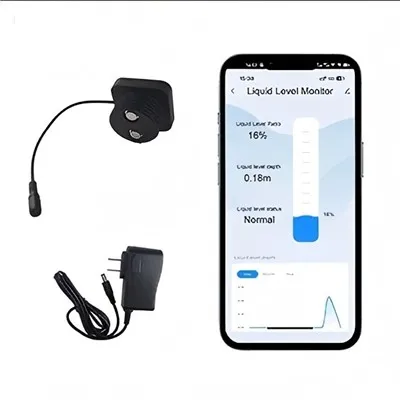
Remote Monitors
Generac 4G LTE Propane Monitor ($199-249, no monthly fee)
Monitor tank level remotely
Get alerts when tank is low
Plan refills before running out
Essential for winter monitoring
Mopeka Pro Check ($65-73)
Bluetooth level monitor
Check level from 30 feet
Conclusion: Using Propane in Cold Weather
Yes, you can use propane in cold weather - and millions of people do, every winter, even in the coldest parts of North America. The key is understanding how cold affects propane and preparing accordingly.
Key Takeaways
Propane does NOT freeze - its freezing point is -306°F
Propane stops vaporizing at -44°F - this is the practical limit
Tank size matters - larger tanks perform better in cold weather
Keep tanks full - a full tank handles cold much better than a nearly empty one
Wind protection helps - shelter your tank from prevailing winds
Monitor levels frequently - check more often in cold weather
Safety first - CO detectors, clear vents, no open flames near tank
When to Use Propane in Cold Weather
✅ Day-to-day winter use: Works great (32°F to -20°F) ✅ Cold snaps: Works with well-sized tank (0°F to -20°F) ⚠️ Extreme cold: May need backup or larger tank (-20°F to -44°F) ❌ Arctic conditions: Below -44°F, propane will not work
Recommendation
If you use propane in a cold climate:
Ensure you have a properly sized tank for your appliances
Start winter with a full tank
Order refills at 40-50% (not 30%)
Protect tank from wind
Consider Generac 4G LTE monitor for remote level checking
For extreme cold, consider underground tank or vaporizer
With proper preparation, propane is a reliable, safe, and efficient fuel for winter use.
Related Guides
Propane Tank Monitoring Guide: Complete monitoring options
How to Tell If a Propane Tank Is Full: Level checking methods
Generac 4G LTE Propane Monitor: Cellular monitoring review
Propane Tank Sizes Guide: Choosing the right tank
Propane Safety Tips: Essential safety information
Propane vs. Other Fuels: Comparison guide
Last Updated: July 2026
Disclaimer: Temperature thresholds are approximate and vary by specific equipment. Always consult your propane supplier for cold-weather recommendations specific to your location and equipment. Follow all safety guidelines.