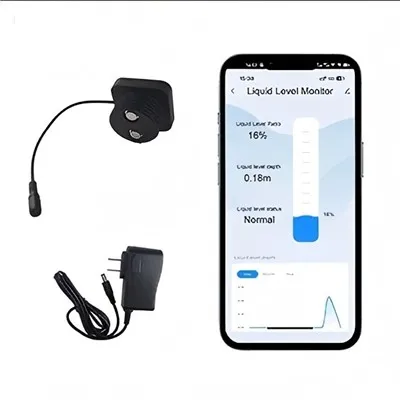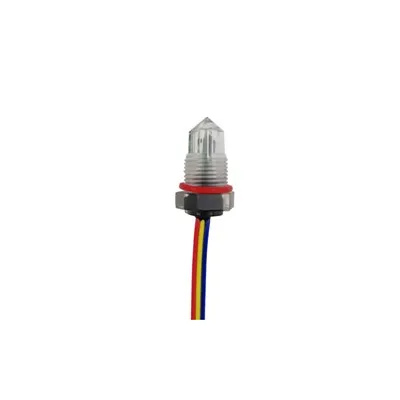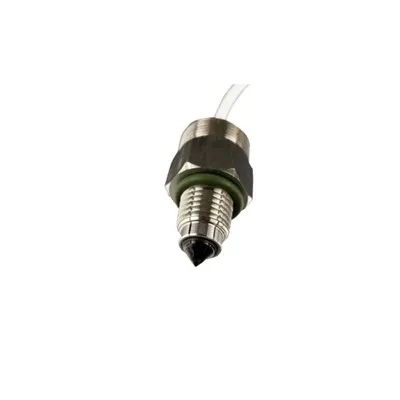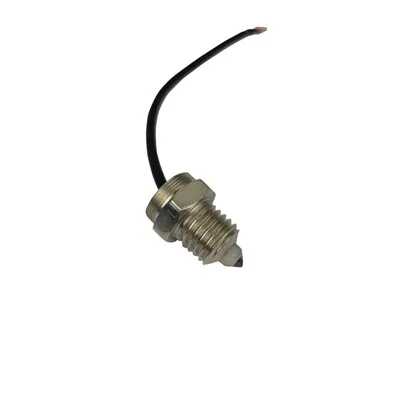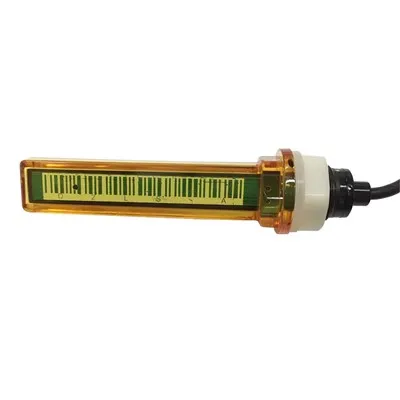
The core components of a flowmeter typically comprise a sensing unit, a signal conversion and processing unit, and an output and display unit; these three parts work in concert to perform the detection, calculation, and output of flow rate data.
The sensing unit constitutes the core of the flowmeter, responsible for directly perceiving the flow state of the fluid. Different types of flowmeters feature distinct structural designs: for instance, electromagnetic flowmeters sense changes in flow velocity via electrodes; turbine flowmeters rely on the rotation of an impeller; and ultrasonic flowmeters utilize the time difference in the propagation of sound waves. The design of this specific unit directly determines the types of media for which the flowmeter is suitable, as well as its measurement accuracy.
The signal conversion and processing unit is primarily responsible for converting the physical signals acquired by the sensing unit into electrical signals. It then performs amplification, filtering, and computational processing on these signals to generate stable and reliable flow data. This unit typically incorporates electronic circuitry and microprocessors, placing high demands on both its anti-interference capabilities and its data processing power.
The output and display unit serves to present the processed flow data in an intuitive manner or to transmit it to external systems. Common forms include analog signal outputs (such as 4–20 mA), digital communication interfaces (such as RS485 or Modbus), and local LCD screens, thereby enabling the flowmeter to facilitate data exchange with control systems or monitoring platforms.