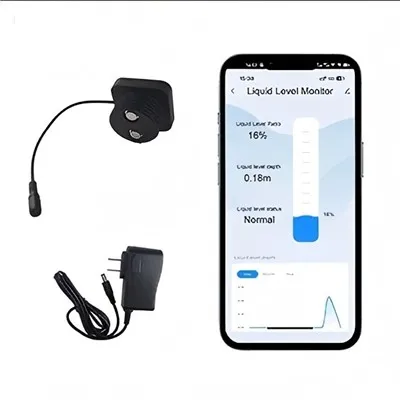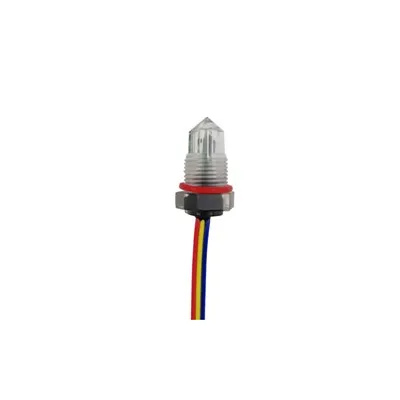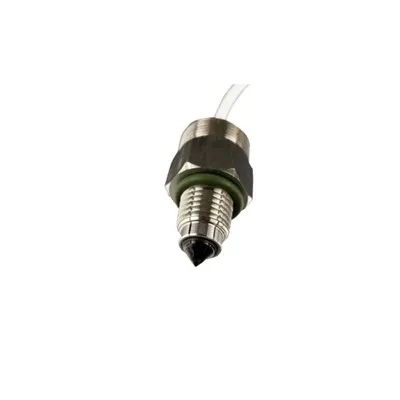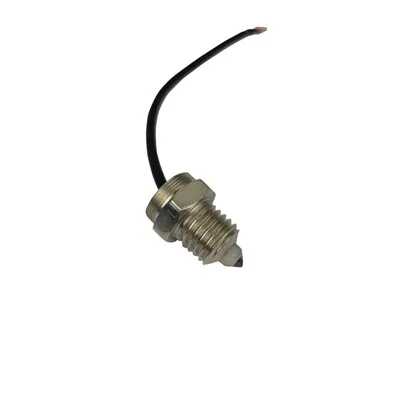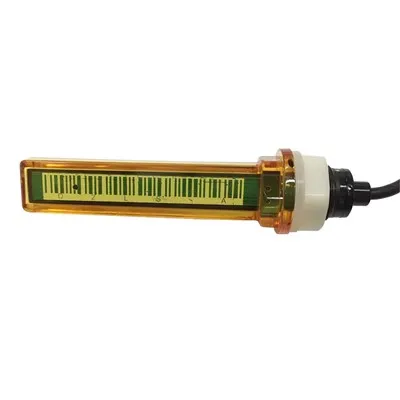
A flow meter is an instrument used to measure the flow rate of fluids within pipelines, providing real-time indications of the flow conditions of liquids, gases, or steam. The data provided by flow meters enables the control and optimization of production processes, as well as applications in energy consumption management and trade metering, thereby serving as a reliable reference for both industrial operations and daily life.
Different types of flow meters are suited to different media and operating conditions. Mechanical flow meters-such as turbine or gear flow meters-are suitable for clean, low-viscosity liquids; electromagnetic flow meters are ideal for conductive liquids; and ultrasonic flow meters allow for non-contact measurement, making them adaptable for monitoring the flow of a wide variety of liquids and certain gases. Selecting the appropriate type of flow meter helps to enhance measurement accuracy and system stability.
The installation and operation of flow meters require careful consideration of factors such as the pipeline environment, temperature, pressure, and fluid characteristics. A suitable installation location, sufficient straight pipe runs, and correct orientation can help minimize measurement errors; additionally, selecting flow meters constructed from corrosion-resistant and high-temperature-resistant materials can extend their service life. Maintenance is also crucial; regular inspection and cleaning ensure the flow meter's long-term, stable performance.
Modern flow meters are capable of doing more than simply measuring flow rates; they can also output analog or digital signals that interface with automation systems, monitoring platforms, or data acquisition systems, thereby enabling remote monitoring and intelligent control. With the advancement of industrial automation and digitalization, the role of flow meters is becoming increasingly vital across various fields, including production control, environmental monitoring, energy management, and smart buildings.