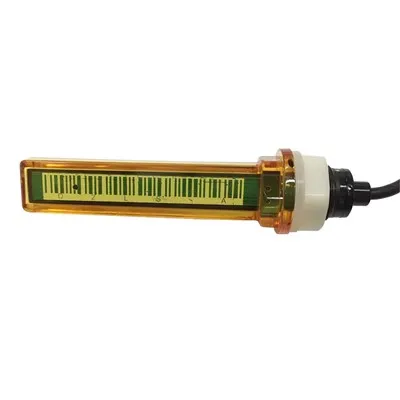
Gas Cylinder Level Sensor: The Complete 2026 Guide to Propane and LP Gas Tank Monitoring Technology
In this guide: Everything you need to know about gas cylinder level sensors-how they work, the different technologies available, how to choose the right sensor for your application, installation guides for steel and composite cylinders, accuracy comparisons between sensor types, top products in 2026, and answers to the most commonly asked questions about gas cylinder level sensors.
What Is a Gas Cylinder Level Sensor?
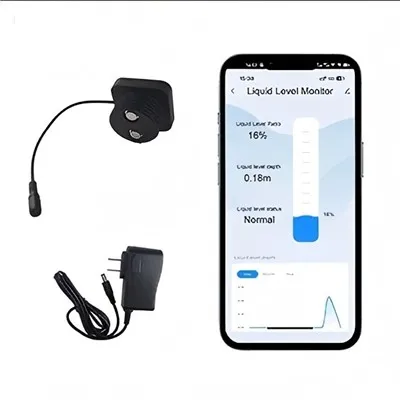
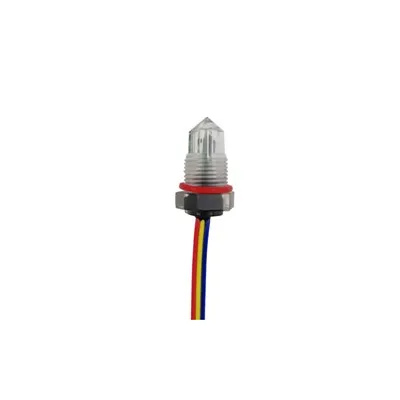
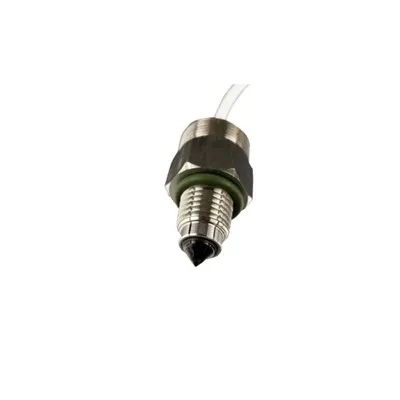
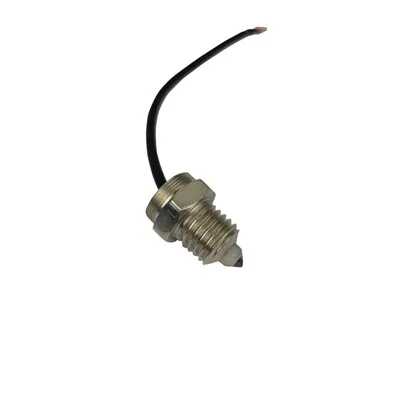
A gas cylinder level sensor is an electronic device that measures how much propane or LP gas remains inside a propane cylinder, providing real-time fill level data to a smartphone app, remote display, or home automation system. Gas cylinder level sensors eliminate the guesswork from propane tank management-replacing unreliable built-in pressure gauges with accurate, technology-driven fuel level monitoring.
The modern gas cylinder level sensor market has evolved dramatically over the past decade. What was once a specialized industrial product is now available as a consumer device priced from $40 to $250, connecting via Bluetooth or cellular networks to deliver accurate tank level data directly to your phone. Whether you manage a home propane heating system, operate an RV, run a commercial propane delivery business, or simply want to know when your BBQ grill tank is running low, a gas cylinder level sensor is the technology that makes it possible.
This guide covers every aspect of gas cylinder level sensors: the technologies that power them, the products that implement them, how to choose and install the right sensor, and what accuracy and performance differences to expect between competing solutions.
How Gas Cylinder Level Sensors Work: The Core Technologies
Not all gas cylinder level sensors use the same measurement technology. Understanding the differences between measurement methods is essential for choosing the right sensor and interpreting its readings correctly.
Technology 1: Ultrasonic (Sonar) Measurement
Ultrasonic measurement is the most common technology in consumer gas cylinder level sensors today. The sensor emits an ultrasonic pulse downward from the outside of the tank, measures how long the pulse takes to bounce back from the liquid propane surface, and converts this travel time into a fill percentage.
Why ultrasonic is effective for propane tanks: Propane is stored as a liquid under pressure, and the liquid surface is flat and horizontal inside the tank. This makes the liquid surface an ideal ultrasonic reflector. Ultrasonic sensors also pass through steel, aluminum, and composite tank walls with minimal signal loss, enabling external mounting without tank modification.
Key characteristics:
Accuracy: 90–98%
Temperature sensitivity: Low (with compensation)
Tank compatibility: All tank types with correct mounting
Best for: Consumer home, RV, BBQ applications
Technology 2: Pressure-Based Measurement
Pressure-based sensors measure the vapor pressure inside the propane tank's ullage space (the area above the liquid) and infer the fill level from the pressure reading. This is the technology used in standard built-in tank gauges.
Why pressure measurement is less accurate: Vapor pressure inside a propane tank is influenced primarily by temperature, not by fill level. A tank at 30°F and 50% full produces a lower vapor pressure reading than a tank at 70°F and 50% full. Pressure sensors must apply temperature compensation to produce accurate level estimates-and the compensation is imperfect, especially at temperature extremes.
Key characteristics:
Accuracy: 75–85% (significant temperature-dependent errors)
Temperature sensitivity: High
Tank compatibility: All tank types
Best for: Basic tank pressure monitoring; not recommended for accurate level sensing
Technology 3: Float-Based Measurement
Float-based sensors use a physical float that rests on the liquid propane surface, with the float's position indicating the fill level. The float is connected to a sensor that converts the float position into an electrical signal.
Why float sensors are uncommon in consumer propane tanks: Float sensors require physical penetration of the tank (a float rod must extend into the tank interior), which creates a potential leak point. They are more common in above-ground liquid storage tanks and industrial propane installations than in consumer cylinders. Float sensors are also sensitive to tank tilting, which changes the float's resting position.
Key characteristics:
Accuracy: 85–92%
Temperature sensitivity: Low
Tank compatibility: Requires tank modification for installation
Best for: Industrial and commercial installations
Technology 4: Weight-Based (Load Cell) Measurement
Weight-based sensors measure the tank's total weight and subtract the known tare weight of the empty tank to calculate the propane weight, which is then converted to volume. Some advanced RV systems and smart scales use load cell technology.
Why weight measurement is highly accurate but limited: Weight-based measurement is among the most accurate methods because it directly measures mass rather than inferring it. However, load cells require the tank to be placed on a scale or have load cells built into the tank mounting system-making them impractical for permanently mounted or underground propane tanks.
Key characteristics:
Accuracy: 92–97%
Temperature sensitivity: Very low (weight doesn't change with temperature)
Tank compatibility: Portable tanks only; requires scale or load cell mount
Best for: BBQ tanks, RV portable cylinders
Technology 5: Capacitance-Based Measurement
Capacitance sensors measure the dielectric constant of the tank contents using sensors embedded in or attached to the tank wall. The dielectric constant of propane vapor differs from liquid propane, allowing the sensor to determine the liquid/vapor interface position.
This technology is emerging in newer sensor products and offers advantages including no moving parts and compatibility with various tank materials. However, it is less proven in the consumer market than ultrasonic technology.
Key characteristics:
Accuracy: 88–93%
Temperature sensitivity: Low
Tank compatibility: Most tank types
Best for: Emerging smart home integrations
Gas Cylinder Level Sensor Comparison
Here is how the leading consumer gas cylinder level sensor technologies and products compare across the specifications that matter most:
| Product / Technology | Measurement Method | Accuracy | Connectivity | Remote Monitoring | Battery Life | Price Range |
|---|---|---|---|---|---|---|
| Mopeka Pro Check (ultrasonic) | Ultrasonic sonar | 95–98% | Bluetooth LE | Via Mopeka Link | 2–5 years | $65–80 |
| Mopeka Pro Check Gen 2 (ultrasonic) | Ultrasonic sonar | 95–98% | Bluetooth LE | Via Mopeka Link | 3–6 years | $75–90 |
| Mopeka Link (ultrasonic + bridge) | Ultrasonic sonar | 95–98% | Bluetooth + WiFi | Built-in | 2–4 years | $85–100 |
| Mopeka RC1 (ultrasonic) | Ultrasonic sonar | 93–96% | Bluetooth LE | Via Hub | 2–4 years | $55–65 |
| Generac 7009 LTE (cellular) | Ultrasonic sonar | 90–95% | 4G LTE cellular | Built-in | 1–3 years | $199–249 |
| Tank Utility (cellular) | Ultrasonic sonar | 85–93% | Cellular | Built-in | Varies | $99–149 + subscription |
| Pressure gauge (basic) | Pressure-based | 75–85% | None | No | N/A | $15–50 |
| DIY HC-SR04 | Ultrasonic sonar | 80–90% | ESPHome/Home Assistant | Via bridge | Varies | $15–40 |
Types of Gas Cylinder Level Sensors by Application
Gas cylinder level sensors are designed for different use cases. Matching the sensor type to your application is as important as evaluating specifications.
Consumer Home Propane Tanks
For homeowners with above-ground propane tanks serving heating, hot water, or cooking systems:
| Need | Recommended Sensor |
|---|---|
| Single home tank, check locally | Mopeka Pro Check |
| Single home tank, remote monitoring | Mopeka Link or Generac 7009 LTE |
| Multiple tanks on property | Mopeka Hub + multiple Mopeka sensors |
| Maximum accuracy | Mopeka Pro Check or Pro Check Gen 2 |
Installation: External mounting at the tank's 6 o'clock position (bottom center for vertical tanks, bottom center axis for horizontal tanks). Bolt-on bracket required for non-steel tanks.
Key consideration: For whole-home propane systems, a cellular sensor like the Generac 7009 LTE eliminates the need for a Bluetooth bridge and provides truly anywhere remote monitoring.
RV Propane Systems
For recreational vehicles with horizontal propane tanks:
| Need | Recommended Sensor |
|---|---|
| Single RV cylinder | Mopeka RC1 or Pro Check Universal |
| Multiple RV cylinders | Multiple sensors + Mopeka Hub |
| Remote monitoring from campground | Mopeka Link |
| Built-in cellular (no bridge needed) | Generac 7009 LTE (with installation) |
Installation: Horizontal tank installation requires bolt-on bracket for most models. The Mopeka RC1 is specifically calibrated for horizontal tank geometry, making it the best fit for standard motorhome and travel trailer propane tanks.
Key consideration: For RVs stored away from home WiFi, a cellular sensor or Bluetooth bridge with cloud connectivity is essential for remote monitoring.
Portable Propane Cylinders (BBQ, Camping)
For 1 lb, 5 lb, and 20 lb portable propane cylinders:
| Need | Recommended Sensor |
|---|---|
| BBQ grill tank (20 lb) | Mopeka Pro Check with magnetic mount |
| Portable camping cylinder | Mopeka Pro Check (if tank is steel) |
| Multi-tank monitoring (campground) | Mopeka Hub + multiple sensors |
Installation: Magnetic mounting on steel cylinders at the 6 o'clock position. For non-magnetic portable cylinders (aluminum), bolt-on bracket required.
Key consideration: The Mopeka Pro Check's magnetic mount makes it uniquely suited for portable cylinders-it can be transferred between tanks, making one sensor cover multiple cylinders.
Commercial and Industrial Propane Monitoring
For commercial propane distributors, industrial facilities, and fleet operations:
| Need | Recommended Solution |
|---|---|
| Multi-tank commercial monitoring | Industrial ultrasonic sensors (OTODATA, Sigalarm) |
| Fleet vehicle propane monitoring | Tank Utility or Generac commercial products |
| High-accuracy industrial application | Load cell systems or radar-based sensors |
| Automated delivery trigger | Tank Utility or IoT propane platform |
Key consideration: Commercial propane monitoring often requires system-level solutions with automated data logging, delivery scheduling, and fleet management integration-beyond what consumer sensors provide.
How to Install a Gas Cylinder Level Sensor
Installation complexity varies significantly between sensor types and tank configurations. Here is a guide to the most common installation scenario: the Mopeka Pro Check on a standard steel propane cylinder.
Installation for Steel Tanks (Magnetic Mount)
Estimated time: 10–15 minutes
Tools needed: Alcohol wipe or degreaser, painter's tape (optional), smartphone with the sensor's app installed
Steps:
Download and open the companion app (e.g., Mopeka Check)
Clean the tank surface at the 6 o'clock position (directly below center on the bottom of the tank) with an alcohol wipe
Identify the tank orientation in the app (vertical or horizontal) and select the correct configuration
Enter tank capacity (gallons or pounds; found on the tank collar)
Attach the sensor to the 6 o'clock position with the magnetic mount facing the tank
Pair the sensor with the app via Bluetooth (the app will guide the pairing process)
Set the low-fuel alert threshold (recommended: 25–30%)
Verify the initial reading - allow 5–10 minutes for the first stable reading
Installation for Non-Steel Tanks (Bolt-On Mount)
Estimated time: 30–45 minutes
Tools needed: All of the above plus: drill, appropriate drill bit (typically included with bracket), adjustable wrench, marine-grade silicone sealant, spirit level
Steps:
Complete all steps from the magnetic mount installation above
Select the correct bolt-on bracket for your tank's brand and model
Clean and mark the 6 o'clock position
Use the bracket as a template to mark and drill mounting holes
Apply marine-grade silicone sealant around each hole
Attach the bracket with stainless steel bolts and sealed washers
Mount the sensor onto the bracket
Pair and configure in the app
Installation for Horizontal Tanks (RV Propane Tanks)
Estimated time: 35–50 minutes
Steps:
Confirm your sensor supports horizontal tank geometry (Mopeka RC1, Pro Check Universal, or Generac 7009 LTE)
Select "horizontal tank" in the app configuration
Mount the sensor at the bottom center of the horizontal tank's long axis (the lowest physical point)
Use a spirit level to confirm the tank is sitting level before marking the position
Follow bolt-on or magnetic installation steps as applicable
Verify the reading matches expected levels
What Affects Gas Cylinder Level Sensor Accuracy
Even the most accurate gas cylinder level sensors experience real-world accuracy variations. Understanding these factors helps you interpret readings correctly and optimize sensor performance.
Factor 1: Tank Fill Level
All ultrasonic gas cylinder level sensors are most accurate in the 20–80% fill range and slightly less accurate at extreme high and low levels. This is inherent to ultrasonic measurement:
Below 15%: Increased liquid surface turbulence creates signal noise
Above 95%: The calibration curve extrapolates beyond the primary measurement range
Solution: Set low-fuel alerts at 25–30% to stay within the sensor's most accurate and reliable range.
Factor 2: Temperature
Rapid temperature changes affect sensor accuracy because:
The sensor's housing and the propane inside the tank change temperature at different rates (thermal mass difference)
This creates a temporary mismatch between the temperature-compensated speed-of-sound calculation and the actual propane temperature
Solution: Do not make decisions based on readings taken within 1–2 hours of a significant temperature change. The sensor will stabilize once thermal equilibrium is reached.
Factor 3: Tank Orientation
A tilted tank produces a tilted liquid surface, which changes the distance the ultrasonic pulse travels. This can cause significant errors:
A tank tilted 2–3° can produce a 3–5% reading error
A tank tilted 5° or more can produce errors of 8–15%
Solution: Always install sensors on level tanks. Use a spirit level to confirm level before marking the mounting position.
Factor 4: Propane Foam After Filling
After a propane delivery, the liquid propane is churned and foamy from the filling process. This foam creates a turbulent, uneven surface that scatters the ultrasonic pulse, producing inconsistent readings.
Solution: Wait 2–4 hours after a fill before trusting the reading. The propane foam will settle and the sensor will stabilize.
Factor 5: Tank Age and Condition
Internal tank corrosion, sediment, and coating degradation can affect ultrasonic signal quality over time:
Rust flakes on the tank interior can create false echo returns
Old internal tank coatings can delaminate, changing the tank's acoustic properties
Solution: If sensor accuracy degrades significantly on an old tank (10+ years), the tank interior may be the cause-not the sensor.
Top Gas Cylinder Level Sensor Products in 2026
Best Overall: Mopeka Pro Check
The Mopeka Pro Check remains the best consumer gas cylinder level sensor in 2026 because it delivers the highest accuracy (95–98%) at a mid-range price point, with no subscription fees and a proven track record across millions of installations.
Standout features: Ultrasonic measurement, IP67 water resistance, 2–5 year CR2032 battery life, Bluetooth connectivity, and the broadest tank compatibility in its class.
Best for Remote Monitoring: Generac 7009 LTE
The Generac 7009 LTE is the best choice for users who need truly anywhere remote monitoring without the complexity of a WiFi bridge. Its built-in 4G LTE cellular connection means you can check your tank from anywhere-no WiFi range limitations.
Standout features: Built-in cellular remote monitoring, ultrasonic measurement, magnetic steel tank mount, weatherproof design.
Best for Multi-Tank Households: Mopeka Hub
The Mopeka Hub enables monitoring of multiple propane tanks from a single dashboard, making it the best solution for homeowners with multiple tanks (home tank, RV tank, shop tank, spare cylinder).
Standout features: WiFi-connected hub, supports multiple Bluetooth Mopeka sensors, cloud data access, no ongoing subscription fee.
Best Budget Option: DIY ESPHome Ultrasonic Sensor
For tech-savvy users comfortable with DIY electronics, an ESPHome-based sensor using an HC-SR04 or JSN-SR04T ultrasonic module delivers 80–90% accuracy at approximately $15–40 in components.
Standout features: Extremely low cost, customizable firmware, Home Assistant integration, open-source platform.
Limitation: Requires electronics assembly, firmware programming, and weatherproofing. Accuracy and reliability are lower than commercial products.
Frequently Asked Questions
Q1: Do gas cylinder level sensors work on all propane tank types?
Most commercial gas cylinder level sensors work on steel propane tanks out of the box via magnetic mount. For aluminum, composite (fiberglass), or lined steel tanks, a bolt-on mounting bracket is typically required. The sensor's ultrasonic technology works through any tank wall material, but the physical mounting method must be appropriate for the tank surface. Always verify mounting bracket compatibility with your specific tank brand and model before purchasing.
Q2: How accurate are gas cylinder level sensors compared to pressure gauges?
The best gas cylinder level sensors (ultrasonic sensors like Mopeka Pro Check) are 3–5× more accurate than standard pressure gauges. Mopeka Pro Check delivers 95–98% accuracy, while standard pressure gauges typically achieve 75–85% accuracy with significant temperature-dependent errors. In cold weather, pressure gauge accuracy can drop to 60–75%, while ultrasonic sensors maintain their accuracy regardless of temperature.
Q3: Do gas cylinder level sensors require a monthly subscription?
Most consumer gas cylinder level sensors have no monthly subscription fee. Mopeka sensors are one-time purchases with no ongoing fees. The Generac 7009 LTE also has no monthly subscription (uses your existing cellular data). The primary exception is Tank Utility, which charges a monthly or annual subscription fee for its cellular data service.
Q4: How long do gas cylinder level sensor batteries last?
Battery life varies by sensor model and usage pattern:
Mopeka Pro Check: 2–5 years (CR2032 coin cell, $1–3 replacement)
Mopeka Pro Check Gen 2: 3–6 years (CR123A lithium, $8–15 replacement)
Generac 7009 LTE: 1–3 years (4× AA batteries, $5–10 replacement)
DIY ESPHome sensors: 1–3 months to 2 years depending on sleep settings and battery capacity
**Battery life is extended significantly when the sensor's measurement interval is set to longer intervals (e.g., every 15 minutes instead of every 5 minutes).
Q5: Can multiple people monitor the same gas cylinder level sensor?
Yes-most gas cylinder level sensor platforms support multiple users. Mopeka's app allows you to share sensor access with family members, property managers, or co-owners. Each person with access to the account can view tank levels, receive alerts, and check the dashboard. Some platforms also support read-only sharing for designated contacts.
Q6: What happens if my gas cylinder level sensor battery dies?
When the battery dies, the sensor stops reporting level data to the app. The propane remains in the tank-the sensor simply stops providing visibility. You will not receive updates, and the app will typically show the sensor as offline or display the last known reading with a timestamp.
Preventive tip: Replace batteries proactively every 2–3 years rather than waiting for the sensor to go offline. Set a calendar reminder.
Q7: Can I use a gas cylinder level sensor on an underground propane tank?
No-underground propane tanks are not accessible for external sensor mounting. Underground tanks are buried, which prevents external mounting of any sensor that needs line-of-sight to the tank interior. Underground propane tanks are typically monitored using fixed internal monitoring systems installed by the propane supplier as part of their delivery management infrastructure.
Bottom Line: Choosing the Right Gas Cylinder Level Sensor
The right gas cylinder level sensor depends on three factors: your tank type, your monitoring needs, and your budget.
For most consumers: The Mopeka Pro Check delivers the best combination of accuracy (95–98%), price ($65–80), no subscription fees, and broad tank compatibility. It is the benchmark against which all consumer sensors should be measured.
For remote monitoring without WiFi: The Generac 7009 LTE's built-in cellular connectivity eliminates range limitations, making it ideal for RVs stored in remote locations or homeowners who travel frequently.
For multi-tank households: The Mopeka Hub + multiple Pro Check sensors creates a unified dashboard for all tanks, with no subscription fees.
For maximum accuracy and battery life: The Mopeka Pro Check Gen 2's CR123A battery delivers 3–6 years of operation, reducing maintenance for hard-to-reach tank installations.
For budget-conscious tech enthusiasts: A DIY ESPHome ultrasonic sensor delivers 80–90% accuracy at approximately one-fifth the cost of commercial products-ideal for learning and experimentation.
Whatever sensor you choose, the core benefit is the same: No more guessing when your propane tank is running low. No more unexpected outages. No more unreliable pressure gauges. A gas cylinder level sensor gives you the visibility to manage your propane supply proactively, efficiently, and confidently.
Last updated: July 2026
Disclaimer: This guide provides general information about gas cylinder level sensors for educational purposes. Product specifications, accuracy figures, pricing, and compatibility information are subject to change. Always verify current information from the manufacturer's official documentation before purchasing. Tank compatibility should be confirmed with your specific tank manufacturer. Consult your propane tank manufacturer's guidelines and your propane supplier's recommendations for any restrictions on third-party monitoring equipment.