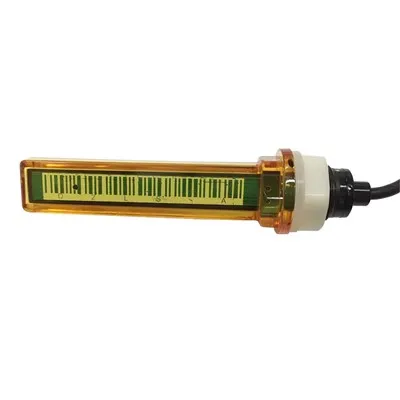
GAS LEVEL INDICATOR: The Complete Guide to Propane, LP, and Natural Gas Level Monitoring Solutions
In this guide: What gas level indicators are, how they work across different measurement technologies, the best gas level indicators available for home, RV, BBQ, and commercial applications, how to choose the right indicator for your needs, installation guides, accuracy comparisons, and answers to the most commonly asked questions about gas level indicators for propane and natural gas tanks.
What Is a Gas Level Indicator?
A gas level indicator is an electronic or mechanical device that displays the remaining fuel level inside a propane, LP, or natural gas storage tank. Gas level indicators replace the guesswork of traditional tank gauges with accurate, technology-driven level monitoring-giving homeowners, RVers, business operators, and propane delivery services precise visibility into how much fuel remains in their tanks.
The problem gas level indicators solve: Traditional propane tank gauges are pressure gauges that measure vapor pressure, not liquid level. They are notoriously inaccurate-especially in cold weather, where a nearly full tank can read "empty" due to temperature-induced pressure drops. Gas level indicators measure the actual fuel level using sonar, weight, or other direct measurement methods, delivering accuracy that traditional gauges cannot match.
The market for gas level indicators spans from simple $15 mechanical indicators to sophisticated $250 cellular-connected monitoring systems. Understanding the different types, technologies, and applications helps you choose the right gas level indicator for your specific needs-without paying for features you don't need or sacrificing accuracy on applications where precision matters.
This guide covers every type of gas level indicator available in 2026: how they work, what they cost, where they excel, and where they fall short.
Understanding Gas Level Indicator Technologies
Not all gas level indicators measure fuel the same way. The measurement technology determines accuracy, price, installation complexity, and suitability for different tank types. Here are the five primary technologies used in gas level indicators today.
Technology 1: Ultrasonic Gas Level Indicators
Ultrasonic gas level indicators use sonar technology to measure the distance from the sensor to the fuel liquid surface inside the tank. The sensor emits an ultrasonic pulse downward through the tank wall, bounces it off the liquid surface, and calculates the fill level based on the return time.
How ultrasonic measurement works:
The sensor's piezoelectric transducer emits an ultrasonic pulse (~40 kHz) downward
The pulse passes through the tank wall (steel, aluminum, or composite) with minimal loss
The pulse travels through the gas vapor space above the liquid
The pulse reflects off the liquid surface and returns to the sensor
The sensor measures the round-trip travel time and calculates the distance to the liquid
Using the tank's known geometry, the distance is converted to a fill percentage
Why ultrasonic is the consumer market leader: Ultrasonic sensors are highly accurate (90–98%), work on the outside of tanks without modification, consume minimal power, and are compatible with all tank types using the correct mounting method.
The temperature compensation challenge: The speed of sound changes with temperature. High-quality ultrasonic indicators include temperature sensors that continuously adjust the speed-of-sound calculation, maintaining accuracy across the full operating temperature range.
Ultrasonic Indicator Feature Detail
Accuracy 90–98%
Temperature sensitivity Low (with compensation)
Tank modification required No (external mounting)
Power consumption Very low
Battery life 2–6 years
Price range $40–250
Technology 2: Pressure-Based Gas Level Indicators
Pressure-based gas level indicators measure the vapor pressure inside the tank's ullage space and convert pressure to an estimated fill level. This is the technology used in the traditional built-in tank dial gauge.
The fundamental limitation of pressure-based indicators: Vapor pressure inside a propane tank is primarily influenced by temperature, not by liquid level. At 70°F, a 50% full tank and a 70% full tank have similar vapor pressures. At 30°F, both tanks show dramatically lower pressures. A pressure-based indicator interprets this low pressure as a low tank level-even when the tank is nearly full.
When pressure-based indicators are acceptable: For rough level estimation in moderate climates where temperature variations are minimal. Not recommended where accurate level monitoring is needed.
Pressure-Based Feature Detail
Accuracy 70–85% (significant temperature-dependent errors)
Temperature sensitivity High
Tank modification required No
Power consumption None (mechanical)
Battery life N/A (mechanical)
Price range $10–50
Technology 3: Weight-Based Gas Level Indicators
Weight-based gas level indicators use load cells or scales to measure the total weight of the tank and subtract the known empty weight to calculate the fuel content.
The weight-to-volume conversion: Propane has a density of approximately 4.2 lbs per gallon at 70°F. By weighing the tank and subtracting the tare weight (printed on the tank collar), the indicator calculates gallons remaining and converts to percentage.
Accuracy characteristics: Weight-based indicators are among the most accurate measurement methods because weight is not temperature-dependent. However, the tank must be portable or have load cells installed at its mounting points-making weight-based indicators impractical for permanently mounted or underground tanks.
Weight-Based Feature Detail
Accuracy 92–97%
Temperature sensitivity Very low
Tank modification required Yes (scale or load cells)
Power consumption Low to moderate
Battery life Varies
Price range $30–150
Technology 4: Float-Based Gas Level Indicators
Float-based gas level indicators use a physical float that rests on the liquid fuel surface, with the float position indicating the fill level. A sensor converts the float position to an electrical signal.
Where float indicators are used: Primarily in above-ground industrial storage tanks and commercial propane bulk storage. Consumer use is limited because float indicators require tank modification (a float rod must penetrate the tank wall), creating potential leak points.
Float-Based Feature Detail
Accuracy 85–92%
Temperature sensitivity Low
Tank modification required Yes (tank penetration)
Power consumption Low
Battery life 3–10 years
Price range $100–500+
Technology 5: Smart Gas Level Indicators With Cellular Connectivity
Cellular gas level indicators combine ultrasonic measurement with built-in 4G LTE or 5G cellular modems to provide truly remote tank monitoring from anywhere in the world-no Bluetooth range limitations, no WiFi required.
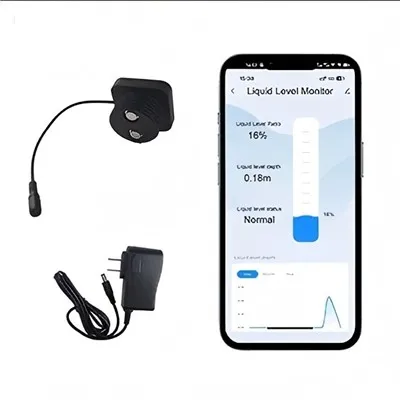
How they work: The sensor measures tank level using ultrasonic technology. A built-in cellular modem transmits the data to the provider's cloud platform. The user accesses current level, historical trends, and alerts through a smartphone app or web dashboard.
The cellular advantage: Unlike Bluetooth indicators that require you to be within ~30 feet of the tank, cellular indicators work from anywhere. Check your RV's propane level from your home office. Monitor your cabin's propane supply from across the country. Receive a low-fuel alert while on vacation.
Cellular Indicator Feature Detail
Accuracy 90–95%
Connectivity 4G LTE / 5G
Remote monitoring Yes-built-in
Monthly fee $0 (most models)
Battery life 1–3 years
Price range $150–300
Types of Gas Level Indicators by Application
The right gas level indicator depends on your application. Here is a breakdown of the best options for the most common use cases.
Gas Level Indicators for Home Propane Tanks
Homeowners with above-ground propane tanks for heating, hot water, or cooking benefit most from ultrasonic or cellular gas level indicators.
Need Recommended Indicator Type
Single home tank, local monitoring Mopeka Pro Check or Pro Check Gen 2
Single home tank, remote monitoring Generac 7009 LTE (cellular) or Mopeka Link
Multiple tanks on property Mopeka Hub + multiple Mopeka sensors
Maximum accuracy, multi-tank Mopeka Pro Check Gen 2 sensors + Mopeka Hub
Key considerations for home propane:
Tank size: Residential tanks range from 100 lb cylinders to 1,000 gallon above-ground tanks
Accessibility: Choose a sensor that is easy to reach for battery changes
Winter climate: Cold weather affects pressure gauges dramatically; ultrasonic sensors are essential
Remote monitoring: If you travel frequently, a cellular indicator eliminates the need to check in person
Gas Level Indicators for RV Propane Tanks
RV propane tanks present unique challenges: horizontal tank geometry, storage in remote locations, and intermittent occupancy require specific indicator features.
Need Recommended Indicator Type
Standard motorhome horizontal tank Mopeka RC1 (horizontal-optimized)
Multi-tank RV Mopeka Pro Check Universal + Mopeka Hub
Remote monitoring at campsite Generac 7009 LTE (cellular)
Versatile sensor (vertical + horizontal) Mopeka Pro Check Universal
Key considerations for RV propane:
Horizontal tank geometry: Use sensors calibrated for horizontal tanks (not vertical-only sensors)
Storage location: If the RV is stored far from home, cellular monitoring is essential
Winter storage: Cold weather can cause propane to stop vaporizing; a sensor helps track fuel without opening the tank compartment
Battery life: RVs often go months between visits-choose a sensor with 3+ year battery life
Gas Level Indicators for BBQ Propane Tanks
BBQ propane tank level monitoring is the most accessible gas level indicator application-and the one where accurate monitoring delivers the most immediate practical benefit.
Need Recommended Indicator Type
20 lb steel BBQ cylinder Mopeka Pro Check (magnetic mount)
Portable/tailgating use Mopeka Pro Check (transferable between tanks)
Aluminum or composite BBQ cylinder Mopeka Pro Check + bolt-on bracket
Budget option Pressure gauge indicator (~$20)
Key considerations for BBQ propane:
Transferability: The magnetic-mount Mopeka Pro Check can move between tanks-useful for households with multiple BBQ cylinders
Refill timing: Never run out mid-cook; set the low-fuel alert at 20–25%
Tank age: Replace propane tanks every 10–12 years (check the stamp date on the collar)
Refrigerator in cold weather: Propane refrigerators in cold environments need accurate tank level monitoring to avoid unexpected shutdowns
Gas Level Indicators for Commercial and Industrial Propane
Commercial propane operations-including bulk storage facilities, fleet vehicle fueling, and agricultural operations-require higher-accuracy, higher-reliability gas level indicators than most consumer products provide.
Application Recommended Indicator Type
Commercial bulk storage OTODATA or industrial ultrasonic sensors
Fleet propane vehicle monitoring Tank Utility or Generac commercial products
Automated delivery scheduling Tank Utility (integrated delivery platform)
Agricultural/propane grain dryer Industrial pressure transducers + data logger
Key considerations for commercial propane:
Automated data logging: Commercial operations need continuous data recording for inventory management and delivery scheduling
Integration with delivery platforms: Some cellular indicators integrate directly with propane supplier delivery management software
Multi-tank monitoring: Commercial facilities typically have multiple tanks requiring a centralized monitoring dashboard
Accuracy requirements: Commercial inventory management requires 95%+ accuracy
How to Choose the Right Gas Level Indicator
Use this decision framework to find the right gas level indicator for your specific situation:
Question 1: What Type of Tank Do You Have?
Tank Type Compatible Indicator Types
Steel vertical propane cylinder All ultrasonic indicators (magnetic mount)
Aluminum propane tank Ultrasonic with bolt-on bracket
Composite/fiberglass propane tank Ultrasonic with bolt-on bracket
Horizontal ASME propane tank (RV) Horizontal-calibrated ultrasonic indicator
Underground propane tank Fixed internal monitoring (not external indicator)
Natural gas pipeline Specialized industrial sensors
Question 2: Do You Need Remote Monitoring?
Monitoring Need Recommended Solution
Check levels when at the tank Bluetooth ultrasonic indicator ($65–90)
Check levels from anywhere Cellular indicator or WiFi bridge ($150–300)
Automated monitoring + delivery scheduling Tank Utility or commercial IoT platform
Monitor multiple tanks from one dashboard Mopeka Hub + multiple sensors
Question 3: What Is Your Accuracy Requirement?
Accuracy Need Recommended Indicator Type Expected Accuracy
Rough estimate (better than nothing) Basic pressure gauge 70–80%
General level awareness Pressure transducer indicator 80–85%
Reliable monitoring with alerts Ultrasonic indicator (Mopeka) 90–98%
Maximum accuracy for inventory Weight-based or load cell system 92–97%
Industrial/commercial inventory Industrial ultrasonic or radar 95–99%
Question 4: What Is Your Budget?
Budget Range Indicators Available
Under $30 Basic pressure gauge, simple float indicators
$30–80 Mopeka Pro Check, basic ultrasonic modules
$80–150 Mopeka Link, Mopeka RC1, smart pressure indicators
$150–300 Generac 7009 LTE, Tank Utility, Mopeka Hub systems
$300+ Commercial and industrial monitoring systems
Installing a Gas Level Indicator: Key Steps
Proper installation is critical for accuracy. Here are the essential steps for the most common scenario: installing an ultrasonic gas level indicator on a steel propane cylinder.
Before You Begin
Check Details
Verify indicator compatibility with tank type Magnetic mount = steel tanks only
Download the companion app Required for configuration and monitoring
Gather tools Alcohol wipe, level, marker (for bolt-on installations)
Confirm tank is level Place on flat surface before marking position
Installation Steps
Step 1 - Identify the correct mounting position For vertical tanks: Mark the 6 o'clock position (directly below center on the tank bottom) For horizontal tanks: Mark the bottom center of the long axis (lowest point of the cylinder)
Step 2 - Clean the mounting surface Wipe the tank surface with an alcohol wipe to remove all dirt, grease, and debris. The sensor must sit flush against the tank for accurate readings.
Step 3 - Configure the app Enter the tank type (vertical/horizontal), tank capacity (gallons), and set the low-fuel alert threshold. Recommended alert level: 20–30%.
Step 4 - Attach the sensor Magnetic mount: Place the sensor directly on the tank at the marked position, with the lens facing the tank. Bolt-on mount: Attach the bracket first, then mount the sensor onto the bracket.
Step 5 - Pair and verify Open the app and follow the Bluetooth pairing procedure. Confirm the sensor displays a level reading within 5–10 minutes of initial activation.
Common Gas Level Indicator Questions Answered
Q1: Are gas level indicators accurate?
High-quality ultrasonic gas level indicators (such as Mopeka Pro Check) are 90–98% accurate-significantly more accurate than traditional pressure gauges (70–85%). The key variable is the measurement technology. Ultrasonic, weight-based, and industrial sensors are highly accurate. Basic pressure-based indicators are only moderately accurate and have significant temperature-related errors.
Q2: Do gas level indicators work on all propane tank sizes?
Most ultrasonic gas level indicators work on tanks of any size-from 1 lb portable cylinders to 1,000 gallon residential tanks. The measurement principle (sonar distance measurement) is the same regardless of tank capacity. For very large commercial tanks, specialized industrial sensors with higher-power transducers may be required, but consumer ultrasonic sensors cover the full range of home, RV, and portable tank sizes.
Q3: Do gas level indicators require WiFi or cellular service?
It depends on the indicator type. Bluetooth indicators (Mopeka Pro Check) require you to be within Bluetooth range (~30 feet) of the tank to check levels. WiFi bridge indicators (Mopeka Link) connect to your home WiFi for remote access. Cellular indicators (Generac 7009 LTE) have built-in cellular modems that work anywhere with cell coverage. Choose based on your monitoring needs and the tank's location.
Q4: How long do gas level indicators last?
The sensor hardware itself typically lasts 5–10 years. Battery life is the limiting factor for most consumer indicators:
CR2032 coin cell sensors: 2–5 years
CR123A lithium sensors: 3–6 years
Cellular indicators: 1–3 years (4× AA batteries)
Pressure-based mechanical gauges: Indefinite (no battery)
Battery replacement is the primary maintenance task. Set a calendar reminder to check and replace batteries proactively.
Q5: Can I use a gas level indicator on a natural gas tank?
Natural gas tanks use different pressure and delivery systems than propane tanks, and most consumer gas level indicators are designed specifically for propane or LP gas. If you need natural gas tank monitoring, look for natural gas-specific sensors or consult an industrial monitoring supplier. The measurement principles are similar, but natural gas tank configurations and regulations differ.
Q6: What is the difference between a gas level indicator and a gas leak detector?
These are two different safety devices for two different hazards:
Gas level indicator: Measures how much fuel remains in the tank
Gas leak detector: Detects the presence of propane or natural gas in the air (from a leak)
Both are recommended for any propane installation, but they serve completely different purposes. A gas level indicator tells you when to reorder fuel. A leak detector tells you when you have a dangerous gas leak.
Q7: Can gas level indicators prevent running out of propane?
Yes-a gas level indicator is the most effective tool for preventing unexpected propane outages. By providing accurate, real-time level data and customizable low-fuel alerts, a gas level indicator gives you advance warning to schedule a refill before you run out. Set your alert threshold at 20–30% to ensure you have 1–2 weeks of lead time before scheduling a delivery.
Top Gas Level Indicators in 2026
Best Overall: Mopeka Pro Check
The Mopeka Pro Check delivers the best combination of accuracy, price, battery life, and tank compatibility in the consumer market. At $65–80 with no subscription fee, it sets the standard for what a consumer gas level indicator should be.
Key specs: 95–98% accuracy, ultrasonic measurement, IP67 water resistance, 2–5 year CR2032 battery, Bluetooth LE connectivity.
Best for Remote Monitoring: Generac 7009 LTE
The Generac 7009 LTE's built-in 4G LTE cellular connectivity makes it the best option for truly anywhere monitoring-no WiFi range limitations, no bridge required. At $199–249 with no monthly fee, it delivers the most convenient remote monitoring experience available.
Key specs: 90–95% accuracy, built-in cellular, ultrasonic measurement, magnetic steel tank mount, 1–3 year battery life.
Best for Multi-Tank Monitoring: Mopeka Hub System
The Mopeka Hub + multiple Mopeka sensors creates the most cost-effective multi-tank monitoring solution with no subscription fees. Monitor your home tank, RV tank, and garage cylinder from a single app dashboard.
Key specs: WiFi-connected hub, supports up to 6+ Bluetooth sensors, cloud data access, no monthly fee.
Best Budget Option: Basic Propane Tank Gauge
For users on a tight budget who just want rough level awareness, a basic brass propane tank gauge ($15–25) provides better-than-nothing monitoring. These pressure-based indicators thread onto the tank valve and provide a dial reading. Accuracy is limited, but they are significantly better than no indicator at all.
Key specs: Mechanical pressure gauge, no battery required, 70–80% accuracy, immediate installation.
Bottom Line: The Right Gas Level Indicator for Every Need
A gas level indicator is one of the most practical investments you can make for any propane-powered property or vehicle. The cost of running out of propane-inconvenience, emergency delivery fees, appliance damage from flame-outs-far exceeds the cost of a $65–250 gas level indicator.
The right indicator for your situation:
Homeowners with moderate climates: Mopeka Pro Check - accurate, affordable, no subscription
Frequent travelers and remote property owners: Generac 7009 LTE - cellular connectivity eliminates range anxiety
Multi-tank households: Mopeka Hub system - one dashboard for all tanks, no subscription fees
RVers with horizontal tanks: Mopeka RC1 - horizontal-optimized design for the best accuracy on RV tanks
Budget-conscious users: Basic pressure gauge - rough level awareness at minimal cost
Whatever your situation, the principle is the same: You cannot manage what you cannot measure. A gas level indicator gives you the visibility to manage your propane supply proactively-scheduling refills on your timeline, not in emergency situations, and eliminating the guesswork that has frustrated propane users for generations.
Last updated: July 2026
Disclaimer: This guide provides general information about gas level indicators for educational purposes. Product specifications, accuracy figures, pricing, and compatibility information are subject to change. Always verify current information from the manufacturer's official documentation before purchasing. Tank compatibility should be confirmed with your specific tank manufacturer. Consult your propane supplier's recommendations for monitoring equipment appropriate for your installation. Gas level indicators are monitoring tools and do not replace regular tank maintenance, professional inspections, or propane safety practices.