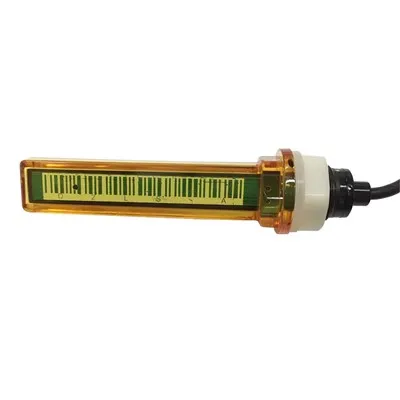
Gas Leak Detector | Sewer, Propane & Combustibles - Complete Guide to Detecting Dangerous Gas Leaks
In this guide: Everything you need to know about gas leak detectors for sewer gases, propane, and combustible gases - covering what gas leak detectors are, which gases they detect, the different types of gas leak detectors for sewer, propane, and general combustible gas applications, how to choose the right detector, where to install them, the best gas leak detectors in 2026, and answers to the most commonly asked questions about detecting gas leaks in homes, RVs, and commercial settings.
What Is a Gas Leak Detector? Overview and Definition
A gas leak detector is an electronic safety device that senses the presence of dangerous gases in the air and alerts you before concentrations reach hazardous levels. Gas leak detectors are available for a wide range of gas types - from sewer gas and methane to propane, natural gas, and industrial combustible gases - and they come in configurations ranging from small portable handheld units to permanently installed wall-mounted monitors.
Not all gas leak detectors are the same. A detector calibrated for propane does not detect sewer gas. A sewer gas detector does not detect methane. Understanding which gas leak detector you need - and why - requires understanding the different categories of dangerous gases and how each is detected.
The three main categories covered in this guide:
| Category | Gases | Primary Danger | Common Applications |
|---|---|---|---|
| Sewer gases | Hydrogen sulfide (H₂S), methane, ammonia, CO₂ | Toxic poisoning; explosion (methane) | Sewer lines; septic systems; basements; crawl spaces |
| Propane (LPG) | Propane (C₃H₈) | Fire and explosion | Homes with propane; RVs; campers; BBQ areas |
| Combustible gases | Natural gas, methane, propane, butane, hydrogen | Fire and explosion | Any home or building with gas appliances |
Understanding Sewer Gas Leaks: What Makes Sewer Gas Dangerous
What Is Sewer Gas?
Sewer gas is a mixture of gases produced by the decomposition of organic matter in sewage systems. It is not a single gas - it is a complex mixture whose composition varies depending on the source, temperature, and conditions in the sewer system.
Composition of Sewer Gas
| Gas | Chemical Formula | Concentration in Sewer Gas | Health Hazard | Explosive? |
|---|---|---|---|---|
| Hydrogen sulfide (H₂S) | H₂S | 0–100+ PPM (varies) | Highly toxic; lethal at high levels | Slightly |
| Methane | CH₄ | 6–30% (can be higher) | Asphyxiant at high concentrations | ✅ Yes - explosive |
| Carbon dioxide (CO₂) | CO₂ | 1–30% | Asphyxiant; displaces oxygen | No |
| Ammonia | NH₃ | Trace–50 PPM | Irritant; toxic at high levels | No |
| Nitrogen | N₂ | Variable | Asphyxiant at high concentrations | No |
| Hydrogen | H₂ | Trace amounts | Asphyxiant | ✅ Yes - explosive |
| Carbon monoxide (CO) | CO | Trace amounts | Highly toxic | No |
The Two Greatest Dangers of Sewer Gas
1. Hydrogen Sulfide (H₂S) - The Immediate Toxic Threat
| H₂S Concentration | Health Effects | Time to Effects |
|---|---|---|
| 0.01–1.5 PPM | Normal threshold of smell (rotten egg odour) | Immediate |
| 10–20 PPM | Mild headache, nausea, eye irritation | 15–30 minutes |
| 50–100 PPM | Loss of smell (olfactory fatigue), respiratory irritation | 15–60 minutes |
| 100–200 PPM | Severe respiratory distress; life-threatening | 1 hour |
| 500–700 PPM | Immediately dangerous to life and health (IDLH); fatal in 30–60 minutes | Minutes |
| 700–1,000+ PPM | Fatal in seconds to minutes | Immediate |
Hydrogen sulfide is considered one of the most immediately dangerous toxic gases in occupational safety. Its most insidious property is olfactory fatigue - at concentrations above 100–150 PPM, you can no longer smell it, even though it is at lethal levels.
2. Methane - The Explosion Threat
| Methane Property | Details |
|---|---|
| LEL (Lower Explosive Limit) | ~5% in air |
| UEL (Upper Explosive Limit) | ~15% in air |
| Gas density | Lighter than air (0.55×); rises |
| Explosion risk | Methane at 5–15% in air with an ignition source = explosion |
Methane from sewer systems can accumulate in enclosed spaces (basements, manholes, crawl spaces) to explosive concentrations. A spark from a light switch, a water heater pilot light, or even static electricity can trigger an explosion.
Understanding Propane (LPG) Gas Leaks
Why Propane Leaks Are Dangerous
| Property | What It Means | Why It Matters |
|---|---|---|
| Stored under pressure | Liquid propane expands 270× when vaporising | Small liquid leak becomes large gas cloud rapidly |
| Heavier than air | 1.5× denser than air; sinks to floor level | Pools in basements, crawl spaces, low areas |
| Explosive range 2.1–9.5% | Between these concentrations in air, propane ignites if sparked | Wide explosion window |
| Colourless and odourless | Gas is invisible; added odourant (ethyl mercaptan) can fade | Leaks are not always immediately detectable |
| Common in enclosed spaces | RVs, campers, rural homes, basements | Limited ventilation means faster accumulation |
Where Propane Leaks Occur
| Source | Common Causes | Risk Level |
|---|---|---|
| Propane tank valve | Worn valve seats; freezing; physical damage | High |
| Propane regulator | Cracked diaphragm; worn springs; corrosion | Moderate to high |
| Flexible gas hose | Cracking; kinking; physical damage; age | High - most common leak source |
| Gas line connections | Loose fittings; corroded threads; improper installation | High |
| Burner orifices | Clogged; cracked; improperly sized | Moderate |
| Tank overfill valve | Leaks during filling; faulty valve | Moderate |
Understanding Combustible Gas Leaks: Natural Gas and Beyond
What Are Combustible Gases?
Combustible (flammable) gases are gases that can burn or explode when mixed with air in the right proportions and exposed to an ignition source. The most common combustible gases in residential and commercial settings are:
| Gas | Primary Source | Density vs Air | Detected By |
|---|---|---|---|
| Natural gas (methane) | Utility gas supply | Lighter than air (rises) | Combustible gas detector |
| Propane (LPG) | Propane tanks | Heavier than air (sinks) | Combustible gas detector |
| Butane | Portable fuels; lighters | Heavier than air (sinks) | Combustible gas detector |
| Hydrogen | Industrial; batteries; chemical processing | Much lighter than air (rises rapidly) | Combustible gas detector |
| Methane (biogas/landfill gas) | Sewers; landfills; agriculture | Lighter than air (rises) | Combustible gas detector |
How Combustible Gas Detectors Work
| Sensor Type | How It Works | Detects | Pros | Cons |
|---|---|---|---|---|
| Catalytic bead (pellistor) | Heated bead burns gas; resistance changes | All combustible gases | Sensitive; affordable | Needs oxygen; poisoned by some chemicals |
| Metal oxide semiconductor (MOS) | Gas changes resistance of heated metal oxide film | All combustible gases | No oxygen needed; long life | Higher power consumption; cross-sensitivity |
| Infrared (IR) | Gas absorbs IR light at specific wavelength | All combustible gases | No oxygen needed; long life; immune to poisons | More expensive; slower response |
| Ultrasonic | Detects sound of gas escaping (not gas concentration) | Pressurised gas leaks | Detects leaks without needing gas to reach sensor | Cannot measure concentration; not for diffusion leaks |
Types of Gas Leak Detectors: Choosing the Right One
Type 1: Sewer Gas Leak Detectors
Designed specifically for sewer gases - particularly hydrogen sulfide (H₂S) and methane:
| Product Type | Detects | Power | Price Range | Best For |
|---|---|---|---|---|
| Sewer H₂S monitor | H₂S + methane | AC or battery | $50–200 | Sewer systems; manholes; septic tanks |
| Multi-gas sewer detector | H₂S + CH₄ + O₂ + CO₂ | Battery | $300–600 | Confined space entry; professional sewer work |
| Portable H₂S detector | H₂S only | Battery; wearable | $100–300 | Personal protection; inspection work |
Type 2: Propane (LPG) Gas Leak Detectors
Designed for propane and LPG detection:
| Product Type | Detects | Power | Price Range | Best For |
|---|---|---|---|---|
| Fixed propane detector | Propane / LPG | 12V DC hardwired | $40–100 | RVs; homes with propane; permanent installation |
| Propane + CO detector (combo) | Propane + carbon monoxide | 12V DC hardwired | $70–100 | RVs; homes with propane appliances |
| Portable propane detector | Propane and other combustible gases | Battery; handheld | $30–80 | Leak inspection; BBQ connection checking; RV travel |
Type 3: Combustible Gas Leak Detectors (General Purpose)
Broad-range combustible gas detectors for natural gas and multiple gas types:
| Product Type | Detects | Power | Price Range | Best For |
|---|---|---|---|---|
| Home combustible gas detector | Natural gas, propane, methane, butane | AC wall plug | $30–60 | Home kitchens; basements; utility rooms |
| Smart combustible gas detector | Natural gas + app notification | AC plug + WiFi | $80–150 | Smart homes; remote monitoring |
| Industrial combustible gas detector | All combustible gases | AC or DC; fixed | $300–2,000 | Industrial; commercial; petrochemical |
Where to Install Gas Leak Detectors: Installation Guide
Sewer Gas Detector Placement
| Location | Why | Installation Notes |
|---|---|---|
| Sewer cleanout openings | Where sewer gases escape if the system is not properly vented | Near the opening; at breathing height |
| Basement near floor drains | Floor drains are common entry points for sewer gas | Near floor level (H₂S is heavier than air at high concentrations) |
| Crawl spaces | Sewer vent pipes may leak into crawl spaces | Near vent pipe connections |
| Septic tank areas | Methane from septic systems accumulates near tanks | Near the tank access point; at ground level |
| Near bathroom floor drains | P-traps that dry out release sewer gas into the bathroom | Near floor level |
Propane Gas Leak Detector Placement
| Location | Mounting Height | Why |
|---|---|---|
| Near propane appliances (furnace, water heater) | Low - 4–6 inches from floor | Propane is 1.5× heavier than air; sinks and pools at floor level |
| Near propane tank connection point | Low - near floor level | Propane leaks sink toward the ground |
| In basements with propane appliances | Low - 4–6 inches from floor | Basements are low areas where propane accumulates |
| Near propane stove or oven | Low on the wall, away from cooking heat | Propane sinks; cooking heat rises and disperses |
| RV living areas | Low - 4–6 inches from floor | Standard RV propane detector mounting height |
Combustible Gas Detector Placement
| Gas Type | Mounting Height | Location |
|---|---|---|
| Natural gas (methane) | Near ceiling or upper wall (5–6 feet) | Natural gas rises; accumulates near ceiling |
| Propane (LPG) | Low - 4–6 inches from floor | Propane sinks; accumulates at floor level |
| Mixed or unknown gas | Breathing height (4–5 feet) | General purpose; covers most heights |
| Biogas / landfill gas | Near ceiling (methane rises) | Methane is primary component |
Emergency Response: What to Do When a Gas Leak Detector Alarms
Sewer Gas Alarm Response
| Step | Action | Why |
|---|---|---|
| 1 | Evacuate the area immediately | H₂S can cause rapid incapacitation |
| 2 | Do not enter enclosed spaces | Extremely dangerous atmosphere |
| 3 | Call a licensed plumber or sewer professional | Professional assessment and repair needed |
| 4 | Ventilate the area if it can be done safely | Reduces concentration |
| 5 | If H₂S symptoms present, seek medical attention | Headache, nausea, eye irritation |
Propane or Natural Gas Leak Alarm Response
| Step | Action | Why |
|---|---|---|
| 1 | Do NOT operate electrical switches, phones, or ignition sources | Sparks can ignite gas |
| 2 | Evacuate the building immediately | Protect lives |
| 3 | Shut off the gas at the tank valve or meter if safe | Stops further gas escape |
| 4 | Leave doors and windows open as you exit | Begin ventilating |
| 5 | Move at least 100 feet (30 metres) from the building | Safe distance |
| 6 | Call your propane supplier or gas utility from a safe location | They can shut off supply and inspect |
| 7 | Do not re-enter until a professional has cleared the space | Residual gas may still be present |
Best Gas Leak Detectors in 2026: Top Picks
Best Sewer Gas / H₂S Detector
| Product | Detects | Approx. Price | Rating |
|---|---|---|---|
| Gasonline Sewer Gas Detector | H₂S, methane, combustible gases | $80–150 | ★★★★☆ Best value for home sewer detection |
| Crowcon Tetra 3 | H₂S, O₂, CO, LEL | $500–700 | ★★★★★ Best professional sewer/confined space detector |
Best Propane Gas Leak Detector
| Product | Detects | Approx. Price | Rating |
|---|---|---|---|
| Safe-T-Alert 70-742-WT | Propane + CO | $70–100 | ★★★★★ Best for RVs and propane homes |
| GasKnight 2.0 | Natural gas, propane, methane, LPG | $34.99 | ★★★★★ Best value for home propane detection |
| Camco 44401 | Propane only | $30–45 | ★★★★☆ Best budget propane detector |
Best Combustible Gas Leak Detector
| Product | Detects | Approx. Price | Rating |
|---|---|---|---|
| UEi CD100A | Combustible gases (handheld) | $40–60 | ★★★★★ Best handheld combustible gas detector |
| GasKnight Original | Natural gas, propane, methane, LPG, butane | $35.99 | ★★★★★ Best value wall-plug combustible detector |
| Amprobe GSD600 | Combustible gases | $30–50 | ★★★★☆ Budget combustible gas detector |
| Honeywell Searchpoint Excel Point | All combustible gases | $400–800 | ★★★★★ Best industrial combustible gas detector |
Maintenance and Testing of Gas Leak Detectors
Maintenance Schedule by Type
| Maintenance Task | Frequency | Sewer Detector | Propane Detector | Combustible Gas Detector |
|---|---|---|---|---|
| Bump test / functional test | Before each use or monthly | ✅ | ✅ | ✅ |
| Full calibration | Annually or per manufacturer | ✅ | - | ✅ (industrial) |
| Battery check / replacement | Monthly / as needed | ✅ (battery models) | - | ✅ (battery models) |
| Visual inspection | Monthly | ✅ | ✅ | ✅ |
| Sensor replacement | Per sensor lifespan | 2–4 years | 5–7 years | 5–7 years |
| Full detector replacement | Every 5–7 years | ✅ | ✅ | ✅ |
Frequently Asked Questions
Q1: Can one gas leak detector detect sewer gas, propane, and natural gas?
No - one standard gas leak detector cannot detect all three categories. Sewer gas detectors are typically calibrated for hydrogen sulfide (H₂S) and methane. Propane detectors use sensors tuned for propane's specific properties. Combustible gas detectors for natural gas are calibrated for methane. However, broad-range combustible gas detectors (using catalytic bead or MOS sensors) can detect multiple combustible gases including natural gas, propane, methane, and butane - but they still will not detect hydrogen sulfide or sewer gas. For comprehensive coverage, you may need multiple detectors or a multi-gas detector that covers your specific gas mix.
Q2: What is the difference between a gas leak detector and a carbon monoxide detector?
| Feature | Gas Leak Detector | Carbon Monoxide Detector |
|---|---|---|
| What it detects | Unburned fuel gases (methane, propane, etc.) | Carbon monoxide (CO) from incomplete combustion |
| Primary danger | Fire and explosion | Poisoning (displaces oxygen in blood) |
| Detects CO? | No | No |
| Detects propane or natural gas? | Yes | No |
| How it works | Catalytic bead, MOS, or IR sensor | Electrochemical sensor |
| Where it mounts | High for natural gas; low for propane | Any height (CO mixes evenly with air) |
| Required in homes with gas? | Recommended | Required by law in most jurisdictions |
Q3: How do I know if I have a sewer gas leak in my home?
| Sign | What It Suggests |
|---|---|
| Persistent rotten egg smell in basement or near drains | Hydrogen sulfide from sewer gas |
| Sewer smell near floor drains | Dried-out P-trap (water barrier evaporated) |
| Bubbling or gurgling drains | Partial blockage causing gas backup |
| Sewer smell after heavy rain | Storm water overwhelming the sewer system |
| Methylene blue indicator tablets turning clear in drain plugs | Drain smell test; indicates presence of sulfur compounds |
| Methane detector alarming in basement | Methane from sewer or groundwater |
If you smell sewer gas in your home, investigate the source immediately. Check floor drains, unused toilets, and vent pipe connections. Call a licensed plumber if the source cannot be identified.
Q4: Can a gas leak detector detect methane from a septic system?
Yes - most combustible gas leak detectors detect methane because methane is a combustible hydrocarbon gas and most catalytic bead and MOS combustible gas sensors respond to methane. However:
A standard home combustible gas detector will detect methane at LEL concentrations
A dedicated methane detector or multi-gas detector configured for methane will detect it at lower concentrations
A sewer multi-gas detector (H₂S + O₂ + LEL + CO) will specifically measure methane concentration
For homes with septic systems, a combustible gas detector near the septic tank access point or in the basement can detect dangerous methane accumulation.
Q5: What is the difference between a catalytic bead and a metal oxide semiconductor (MOS) gas sensor?
| Feature | Catalytic Bead | MOS |
|---|---|---|
| Detection principle | Gas burns on heated bead; temperature changes resistance | Gas adsorbs onto heated metal oxide film; changes resistance |
| Power requirement | Lower | Higher |
| Oxygen required | Yes - needs oxygen for combustion | No - works in oxygen-deficient environments |
| Cross-sensitivity | Sensitive to all combustible gases | Sensitive to all combustible gases |
| Sensor poisons | Poisoned by silicone compounds, lead, sulfur compounds | More resistant to poisons |
| Response time | Fast (10–30 seconds) | Fast to medium |
| Typical lifespan | 3–5 years | 5–7 years |
| Cost | Lower | Moderate |
| Best for | Standard industrial use; confined spaces | Indoor use; oxygen-deficient areas; environments with contaminants |
Q6: How often should I test my gas leak detector?
| Test Type | Frequency | How |
|---|---|---|
| Functional bump test | Monthly or before each use | Apply known gas concentration or use test button; verify alarm sounds |
| Visual inspection | Monthly | Check physical condition; verify power is on; check LED indicators |
| Full calibration | Annually or per manufacturer recommendation | Use calibration gas; adjust sensor response |
| Professional inspection | Annually for commercial/industrial | Qualified technician inspects and calibrates |
Q7: Can I use a portable gas leak detector to check my BBQ connections?
Yes - a portable combustible gas detector is excellent for checking BBQ and propane appliance connections:
| Step | Action |
|---|---|
| 1 | Ensure all BBQ burners are off |
| 2 | Turn on the gas supply (propane tank valve open) |
| 3 | Hold the portable detector's sensor near the connection point between the regulator and the hose |
| 4 | Move the sensor along the entire length of the hose |
| 5 | Check the connection at the BBQ manifold |
| 6 | Check each burner valve connection |
| 7 | If the detector alarms at any point, there is a leak at that location |
| 8 | Use a soap bubble solution to confirm and locate the exact leak point |
Portable detectors like the UEi CD100A, Amprobe GSD600, and GasKnight Pro are all excellent choices for BBQ and propane connection inspection.
The Bottom Line: Gas Leak Detectors for Sewer, Propane & Combustibles
Gas leak detectors are essential safety devices that provide early warning of dangerous gas concentrations - whether from sewer systems, propane appliances, or natural gas leaks. The right detector for your application depends on which gas or gases you need to detect.
Summary by application:
| Application | Best Detector Type | What to Detect | Approx. Cost |
|---|---|---|---|
| Sewer system monitoring | H₂S + methane detector | Hydrogen sulfide, methane | $50–600 |
| Home with propane appliances | Propane detector or propane + CO combo | Propane (C₃H₈) | $30–100 |
| RV with propane | Propane + CO combo detector | Propane + CO | $70–100 |
| Home with natural gas | Combustible gas detector | Natural gas (methane) | $30–80 |
| Septic system | Combustible gas detector or multi-gas | Methane | $30–500 |
| Confined space (sewer/manhole) | Multi-gas 4-gas monitor | H₂S + O₂ + LEL + CO | $300–600 |
| BBQ propane connection check | Portable combustible gas detector | Propane, butane | $30–80 |
Key facts to remember:
| Fact | Details |
|---|---|
| Sewer gas primary hazards | Hydrogen sulfide (H₂S - toxic) + methane (explosive) |
| Propane primary hazard | Fire and explosion; sinks to floor level |
| Natural gas primary hazard | Fire and explosion; rises to ceiling level |
| CO detector ≠ gas leak detector | CO detectors do not detect unburned gas |
| Sensor lifespan | Electrochemical: 2–4 years; MOS: 5–7 years; catalytic bead: 3–5 years |
| Test frequency | Monthly functional test; annual calibration |
| Installation height | Natural gas: high; propane: low; sewer gas: near floor or breathing height depending on gas |
Gas leak detector checklist:
✅ Identify every gas hazard in your home or facility
✅ Choose a detector specifically calibrated for the gases present
✅ Install at the correct height for each gas type
✅ Test monthly; calibrate annually
✅ Replace sensors per manufacturer lifespan
✅ Have a professional emergency response plan for when the alarm sounds
✅ Never ignore a gas alarm - always investigate immediately
✅ Keep combustible gas detectors away from ignition sources themselves
The right gas leak detector - properly installed, regularly tested, and professionally maintained - provides the early warning you need to prevent gas-related injuries, explosions, and fatalities.
Last updated: July 2026
Disclaimer: This guide provides general information about gas leak detectors for sewer gases, propane, and combustible gases for educational purposes. Gas detection requirements vary significantly by application, jurisdiction, and environment. Always follow manufacturer installation and maintenance instructions. Select gas detection equipment appropriate for the specific gases present in your environment. Gas detection is one component of overall gas safety; have gas systems regularly inspected and maintained by qualified professionals. In case of any gas alarm, evacuate immediately and contact appropriate emergency services or qualified professionals. Regulatory requirements for gas detection vary by jurisdiction and application - verify compliance with local codes and regulations.