How Do I Check My Propane Levels? Understanding Every Way to Read Your Tank
In this guide: The complete answer to "how do I check my propane levels" - covering what "level" actually means (percentage, gallons, weight, and days of supply), the four reliable ways to check any tank, how to read levels on a home tank vs a BBQ cylinder vs an RV tank, how smart monitors display your level on your phone, how to interpret what each level means in plain language, how accurate each method is, how to tell when a reading is wrong, how to estimate how long your current level will last, and answers to the most common questions about checking propane levels.
How Do I Check My Propane Levels - Quick Answer
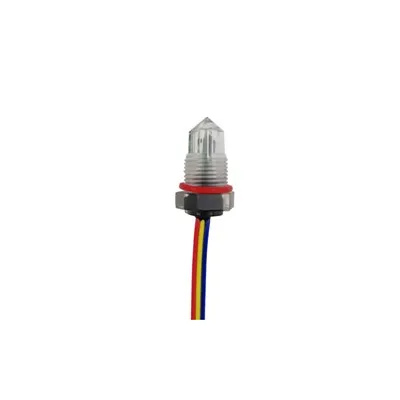
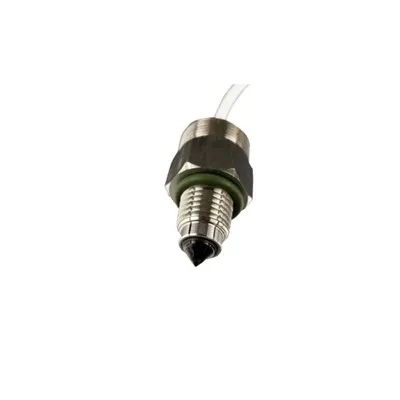
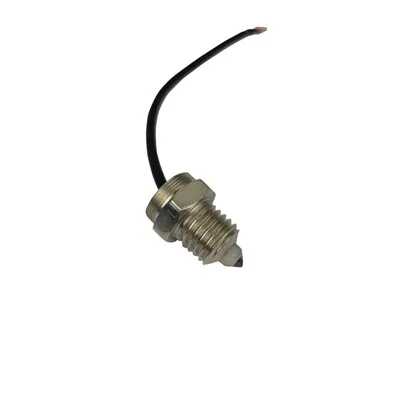
You check your propane levels four reliable ways: (1) read the built-in float gauge on home tanks - a dial showing 0–100%, where 80% is full and 30% means order more, (2) weigh BBQ and RV cylinders - total weight minus the tare weight (TW) stamped on the collar tells you propane remaining, (3) use the hot water trick for a fast visual estimate on small tanks, or (4) install an ultrasonic tank monitor (Mopeka Pro Check $50–$80, Generac G0070090 $199–$249) that shows your exact level on your phone. The "level" can be expressed as a percentage (gauge), gallons (calculated), weight in pounds (cylinders), or days of supply (estimated). For home tanks, check weekly in heating season; for convenience and remote access, a smart monitor with low-level alerts is the easiest long-term solution. Never let your level drop below 20% before ordering.
Bottom line: Your propane level is just a number - percentage, gallons, or pounds. Pick the method that fits your tank, learn what the number means, and you will always know where you stand.
What Does "Propane Level" Actually Mean?
The Same Tank, Four Ways to Express the Level
| Expression | How You Get It | Example (500 gal tank) |
|---|---|---|
| Percentage | Read the gauge dial | 30% full |
| Gallons | Capacity × % × 0.8 | 120 gallons |
| Weight (cylinders) | Total − tare weight | 10 lbs propane |
| Days of supply | Gallons ÷ daily usage | 15 days left |
Understanding all four expressions helps you interpret your level in the way that matters most - whether that is "how full," "how many gallons," or "how many days until I run out."
Method 1: Check Levels by Built-In Gauge (Home Tanks)
Reading the Gauge
| Step | Action |
|---|---|
| 1 | Go to your propane tank |
| 2 | Find the round dial on top, under a lid |
| 3 | Lift the lid |
| 4 | Read the needle on the 0–100% scale |
| 5 | Close the lid |
| 6 | Interpret with the table below |
What Your Level Means
| Level | Plain-Language Meaning | Action |
|---|---|---|
| 80–100% | Tank is full | Nothing to do |
| 50–80% | Plenty of propane | Keep monitoring |
| 30–50% | Getting low | Start planning a delivery |
| 25–30% | Low - reorder zone | Schedule delivery now |
| 20–25% | Very low | Order immediately |
| Below 20% | Critical | Emergency order |
Convert Level to Gallons
Gallons = Tank Water Capacity × Level % × 0.8
| Tank | 80% | 50% | 30% | 20% |
|---|---|---|---|---|
| 120 gal | 96 | 48 | 29 | 19 |
| 250 gal | 200 | 100 | 60 | 40 |
| 500 gal | 400 | 200 | 120 | 80 |
| 1,000 gal | 800 | 400 | 240 | 160 |
Method 2: Check Levels by Weighing (Cylinders)
The Cylinder Level Check
| Step | Action | Example (20 lb BBQ) |
|---|---|---|
| 1 | Find TW (tare weight) on collar | TW = 17 lbs |
| 2 | Weigh the tank | 27 lbs total |
| 3 | Subtract TW | 27 − 17 = 10 lbs propane |
| 4 | Divide by 4.24 (lbs/gal) | 10 ÷ 4.24 = 2.4 gal |
| 5 | Read your level | ~50% full |
BBQ Tank Level by Weight
| Total Weight | Propane | Level |
|---|---|---|
| 37 lbs | 20 lbs | 100% |
| 32 lbs | 15 lbs | 75% |
| 27 lbs | 10 lbs | 50% |
| 22 lbs | 5 lbs | 25% |
| 17 lbs | 0 lbs | Empty |
Method 3: Check Levels by Hot Water (Quick Estimate)
The 5-Step Trick
| Step | Action |
|---|---|
| 1 | Heat water (not boiling) |
| 2 | Pour slowly down the tank side |
| 3 | Wait 5–10 seconds |
| 4 | Feel down the side with your hand |
| 5 | The warm-to-cool change = liquid level |
Accuracy is ±15–20% - fine for a rough check, not for precise planning. The cool section below the line is liquid propane; the warm section above is gas vapour.
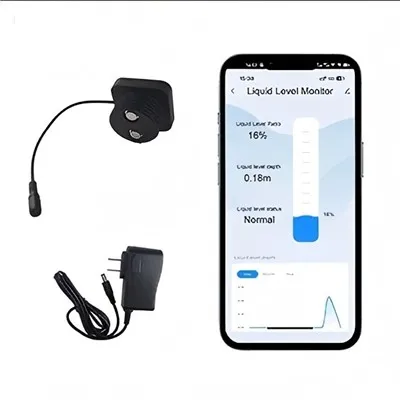
Method 4: Check Levels by Smart Monitor (Phone)
Monitors That Show Your Level Digitally
| Monitor | Price | How It Shows Level | Accuracy |
|---|---|---|---|
| Mopeka Pro Check | $50–$80 | App shows % and gallons (Bluetooth, ~30 ft) | ±1–2% |
| Tank Utility | $150–$200 | App shows % and gallons (Wi-Fi, anywhere) | ±1–2% |
| Generac G0070090 | $199–$249 | App shows % and gallons (cellular, anywhere) | ±1–2% |
Why a Smart Monitor Changes Everything
| Benefit | What You Get |
|---|---|
| Exact digital level | No guessing, no gauge interpretation |
| History and trends | See how fast you use propane |
| Low-level alerts | Notified automatically at your threshold |
| Remote checking | Level on your phone from anywhere |
| No manual visits | Check without leaving your chair |
How Accurate Is Each Level Check?
Method Comparison
| Method | Accuracy | Best Use |
|---|---|---|
| Built-in float gauge | ±5–10% | Home tank monitoring |
| Weighing | ±2–5% | Cylinders (with good scale) |
| Hot water trick | ±15–20% | Rough estimate |
| Ultrasonic monitor | ±1–2% | Precise, remote monitoring |
| Pressure gauge (avoid) | Misleading | Not for level |
Pressure gauges measure PSI, not liquid level. A warm day raises pressure and can make a nearly empty tank read "full." Never use a pressure gauge to judge your propane level.
Interpreting Your Level in Plain Language
Scenarios and What to Do
| Your Level | What It Means | Do This |
|---|---|---|
| Above 50% | Comfortable buffer | Relax; check again next month |
| 30–50% | Starting to thin out | Plan a delivery in 1–2 weeks |
| 25–30% | Reorder threshold | Order propane now |
| 20–25% | Cutting it close | Order today |
| Below 20% | Danger zone | Emergency order; risk runout |
| 0% / empty | No propane | Runout - costly; refill + relights |
How Long Will My Current Level Last?
The Days-of-Supply Calculation
Days Left = Gallons Remaining ÷ Daily Usage
Daily Usage Reference
| Use | Daily Usage |
|---|---|
| Furnace (cold climate) | 10–15 gal |
| Furnace (moderate) | 5–10 gal |
| Water heater | 0.5–1 gal |
| Cooking + water | 1–2 gal |
| RV (moderate) | 0.5–1.5 gal |
| Generator (load) | 2–3 gal/hour |
Example
| Situation | Value |
|---|---|
| Tank | 500 gal |
| Level | 30% |
| Gallons | 120 gal |
| Daily use | 8 gal/day |
| Days left | 120 ÷ 8 = 15 days |
When a Level Reading Is Wrong
Red Flags
| Sign | Likely Cause | Action |
|---|---|---|
| Needle stuck for weeks | Float stuck | Tap gently; call supplier |
| Reads 90–100% after fill | Overfill | Call supplier |
| Pressure gauge "full," tank empty | Temperature effect | Weigh or use sensor |
| Sudden large drop | Possible leak | Shut off; call supplier + fire dept |
| Gauge 0% but appliances work | Broken gauge | Schedule service |
How Often Should You Check Your Levels?
Frequency by Season and Method
| Situation | Frequency |
|---|---|
| Heating season, manual gauge | Weekly |
| Off-season, manual gauge | Monthly |
| Smart monitor with alerts | App notifies you |
A 30-second weekly check in winter costs nothing. An emergency fill after a runout costs $100–$300+ plus frozen-pipe risk ($5,000–$20,000+). Regular checking is the cheapest insurance you have.
Frequently Asked Questions
Q1: How do I check my propane levels?
Four ways: (1) read the built-in gauge on home tanks (80% = full, 30% = order), (2) weigh BBQ/RV cylinders (total − tare weight = propane), (3) use the hot water trick for a quick estimate, or (4) install an ultrasonic monitor (Mopeka, Tank Utility, Generac) that shows your level on your phone. Pick the method that fits your tank type.
Q2: What does my propane level percentage mean in gallons?
Use this formula: Gallons = Tank Water Capacity × Level % × 0.8. For a 500 gallon tank, 80% = 400 gallons (full), 50% = 200, 30% = 120 (order), 20% = 80 (urgent). The 0.8 factor reflects the 80% maximum fill by code.
Q3: How do I check propane levels on a BBQ tank?
Weigh the tank and subtract the tare weight (TW) stamped on the collar. A full 20 lb BBQ tank weighs about 37 lbs; empty is about 17 lbs. Every 4.24 lbs = 1 gallon. Or install a magnetic ultrasonic sensor that shows the level on your phone.
Q4: Are propane level gauges accurate?
Built-in float gauges are accurate to ±5–10%. Ultrasonic monitors are the most accurate at ±1–2%. The hot water trick is only ±15–20%. Pressure gauges are not reliable for level - they measure pressure, which changes with temperature, not how much propane you have.
Q5: How do I check propane levels from my phone?
Install a smart monitor: Mopeka Pro Check (Bluetooth, ~30 ft, $50–$80), Tank Utility (Wi-Fi, anywhere, $150–$200), or Generac G0070090 (cellular, anywhere, no Wi-Fi needed, $199–$249). Each sends your level to a smartphone app with low-level alerts.
Q6: Why does my propane level read 80% when the tank is full?
Tanks are filled to 80% maximum by code - the 20% headspace allows propane to expand when heated. When your gauge reads 80%, the tank is full and safe. A reading of 90–100% would be an overfill - contact your supplier.
Q7: How low can my propane level go before I must order?
Order at 25–30%. That leaves 100–120 gallons (on a 500 gal tank) - a 1–2 week buffer for a normal delivery. Never let it drop below 20% (80 gallons) without ordering; you risk runout and emergency fees of $100–$300+.
Q8: How do I estimate how long my propane level will last?
Divide gallons remaining by daily usage. Example: a 500 gal tank at 30% has 120 gallons; at 8 gal/day winter usage, that is 15 days. Track your usage over a week to learn your personal daily rate, then apply the formula anytime.
The Bottom Line: How Do I Check My Propane Levels?
Checking your propane levels is simple once you know the four methods - gauge for home tanks, weighing for cylinders, hot water for quick estimates, and smart monitors for phone-based precision. Your level can be read as a percentage, gallons, weight, or days of supply. Check weekly in heating season, order at 25–30%, and a smart monitor makes it effortless.
Key takeaways:
| Takeaway | Why It Matters |
|---|---|
| ✅ Four ways to check | Gauge, weigh, hot water, smart monitor |
| ✅ Level = % , gallons, or lbs | Know what the number means |
| ✅ Home tanks: read the gauge | 80% full; 30% order |
| ✅ Cylinders: weigh them | Total − tare = propane |
| ✅ Smart monitors: ±1–2% | Exact level on your phone |
| ✅ Pressure gauges mislead | Measure PSI, not level |
| ✅ Check weekly in winter | Avoid runout |
| ✅ Order at 25–30% | 1–2 week buffer |
| ✅ Never below 20% | Avoid emergency fees |
| ✅ Alerts make it effortless | Set and forget |
Remember:
"Level" can be percentage, gallons, pounds, or days
Home tank: gauge on top, 80% = full
Cylinder: weigh, subtract tare, divide by 4.24
Hot water trick: cool line = liquid level
Smart monitor: exact % and gallons on phone
Pressure gauge ≠ level - ignore it
500 gal at 30% = 120 gallons = 15 days (at 8 gal/day)
Order at 25–30%, never below 20%
Check weekly in heating season
A stuck needle means call your supplier
Sudden drops may signal a leak - shut off and call
Smart monitors pay for themselves after one runout
Know your propane level in the units that matter to you - and you will never be caught with an empty tank again.
Last updated: July 2026
Disclaimer: This guide provides general information about checking propane levels for educational purposes. Always follow your propane supplier's guidelines and manufacturer instructions. Propane is a combustible fuel - ensure proper safety practices, use propane detectors, and consult your supplier for specific guidance.