How to Check Your Propane Grill Tank Level: The Practical Owner's Guide
In this guide: The complete guide to checking your propane grill tank level - covering why grill tanks need level checking, the four practical methods (weighing, hot water, digital scale, and Bluetooth sensor), step-by-step instructions for each, the exact weight chart for 20 lb and 15 lb tanks, when to check (before, during, and after grilling season), how temperature affects level readings, signs you are running low mid-grill, how to set up a monitoring routine, and answers to the most common questions about grill tank level checking.
How to Check Your Propane Grill Tank Level - Quick Answer
To check your propane grill tank level, use the weighing method - the most accurate free approach for any grill tank. Find the tare weight (TW) stamped on the tank collar, weigh the tank, and subtract TW from the total. A full 20 lb tank weighs about 37 lbs; when the scale reads about 17 lbs, the tank is empty. For a fast visual check, use the hot water trick: pour hot water down the side and feel where the temperature changes from warm to cool - that cool section marks the liquid propane level. For ongoing monitoring, install a Mopeka Pro Check ($50–$80) Bluetooth sensor that attaches magnetically and sends your exact level to your phone. Check your tank before every big cookout, once a month during regular season, and at the start and end of grilling season. Never rely on how the tank feels - liquid propane sloshes differently than water and can deceive your instincts.
Bottom line: Weigh it or use the hot water trick. Add a Bluetooth sensor for convenience and alerts. Check before every cookout and you will never run out mid-grill.
Why Grill Tanks Need Regular Level Checking
The Problem With Grill Tanks
| Problem | Detail |
|---|---|
| No built-in gauge | Most 20 lb and 15 lb grill tanks have no gauge |
| Invisible fuel | You cannot see how much propane is inside |
| Runout is inconvenient | Half-cooked food and no gas is frustrating |
| Runout is costly | Emergency fills cost $100–$300+ extra |
| No warning without checking | Tanks do not alert you when low |
| Size feels misleading | A "half-empty" tank can still feel heavy |
A propane grill tank is the one appliance in your kitchen where you genuinely cannot see the fuel level. Unlike a gas stove with a pilot light, a grill simply stops working when the propane runs out. Checking the level before you cook is the only way to know whether you have enough fuel for the job.
Method 1: Weigh the Tank (Most Accurate)
The Gold-Standard Method
Weighing is the most accurate way to check a grill tank level without any special equipment. The math is simple and works for any tank size.
| Step | Action | Example (20 lb tank) |
|---|---|---|
| 1 | Find the tare weight (TW) stamped on the tank collar | TW = 17 lbs |
| 2 | Weigh the tank on any accurate scale | 27 lbs total |
| 3 | Subtract TW from total weight | 27 − 17 = 10 lbs propane |
| 4 | Convert to gallons (÷ 4.24) | 10 ÷ 4.24 = 2.36 gal |
| 5 | Read your level | About 50% full |
20 lb Grill Tank Level by Weight
| Total Weight | Propane Weight | Gallons | Level |
|---|---|---|---|
| 37 lbs | 20 lbs | 4.72 gal | Full (100%) |
| 34 lbs | 17 lbs | 4.01 gal | 85% |
| 32 lbs | 15 lbs | 3.54 gal | 75% |
| 29 lbs | 12 lbs | 2.83 gal | 60% |
| 27 lbs | 10 lbs | 2.36 gal | 50% |
| 24 lbs | 7 lbs | 1.65 gal | 35% |
| 22 lbs | 5 lbs | 1.18 gal | 25% |
| 17 lbs | 0 lbs | 0 gal | Empty |
15 lb Grill Tank Level by Weight
| Total Weight | Propane Weight | Gallons | Level |
|---|---|---|---|
| 26 lbs | 15 lbs | 3.54 gal | Full (100%) |
| 23 lbs | 12 lbs | 2.83 gal | 80% |
| 21 lbs | 10 lbs | 2.36 gal | 67% |
| 19 lbs | 8 lbs | 1.89 gal | 53% |
| 17 lbs | 6 lbs | 1.42 gal | 40% |
| 15 lbs | 4 lbs | 0.94 gal | 27% |
| 11 lbs | 0 lbs | 0 gal | Empty |
Key numbers to memorize: A full 20 lb tank = ~37 lbs. A full 15 lb tank = ~26 lbs. Empty = TW stamped on collar (~17 lbs for 20 lb, ~11 lbs for 15 lb).
Method 2: The Hot Water Trick (Quick Estimate)
Step-by-Step
| Step | Action | Detail |
|---|---|---|
| 1 | Fill a cup with hot tap water | Not boiling - hot is enough |
| 2 | With tank standing upright, pour slowly down one side | Pour from top to bottom |
| 3 | Wait 5–10 seconds | Let the temperature difference develop |
| 4 | Run your palm down the tank side | Feel from top toward bottom |
| 5 | Notice where it changes from warm to cool | Cool = liquid propane below |
| 6 | Mark the level | Roughly where the cool zone starts |
Interpreting the Results
| What You Feel | What It Means |
|---|---|
| Cool from the top | Tank is nearly full |
| Cool starting at mid-tank | Tank is about half full |
| Cool only at the bottom | Tank is low - refill soon |
| No cool section at all | Tank is empty or nearly empty |
Accuracy: ±15–20%. This is a quick gut check before a cookout, not a precise measurement. For precise planning, weigh the tank.
Method 3: Digital Grill Tank Scale (Permanent Solution)
How Grill Scales Work
| Feature | Detail |
|---|---|
| Type | Platform scale sized for grill tanks |
| Cost | $15–$40 |
| Installation | Place under tank; plug in or battery |
| Reading | Digital display of pounds remaining |
| Low-level indicator | Many models beep or light up when low |
| Accuracy | ±1–3% |
A digital grill scale eliminates the need for any math - just look at the display and read the pounds remaining. Set it up once and you can check your level in 3 seconds any time.
Recommended Grill Scales
| Scale | Price | Features |
|---|---|---|
| Extech TB400 | $25–$35 | Digital; lb/kg; auto-off |
| Canadian Solar Supply Grill Scale | $15–$25 | Basic digital; budget-friendly |
| ChUG 20 lb Tank Scale | $20–$30 | Designed specifically for 20 lb tanks |
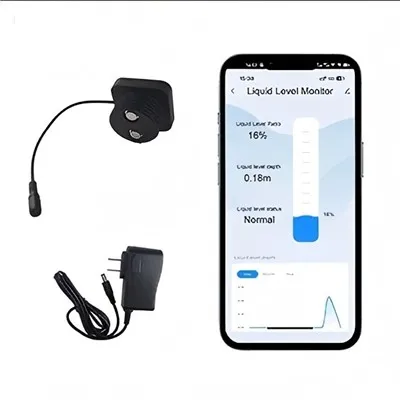
Method 4: Bluetooth Ultrasonic Sensor (Smart Solution)
The Modern Approach
| Monitor | Price | Best For |
|---|---|---|
| Mopeka Pro Check | $50–$80 | Best overall; accurate; alerts |
| Mopeka Tank Check 2 | $40–$60 | Budget version; same concept |
How It Works
| Feature | How It Works |
|---|---|
| Attaches | Magnetically to bottom center of tank |
| Measures | Ultrasonic pulse to detect liquid level |
| Displays | Percentage and gallons on smartphone app |
| Alerts | Notifies you when level drops to your threshold |
| Battery | 2×AA; lasts 1–2 years |
Once installed, you simply open the app to see your exact level. No weighing, no guessing, no going outside to check. Set a low-gas alert and the app tells you when it is time to refill.
When to Check Your Grill Tank Level
The Seasonal Schedule
| When | Check Action | Why |
|---|---|---|
| Before first grill of the season | Weigh + full refill if needed | Start the season prepared |
| Before every big cookout | Weigh or sensor check | Know if you have enough fuel |
| Monthly during regular season | Quick weigh or scale check | Track consumption rate |
| After every 3–5 cooks | Weigh (heavy grillers) | Catch depletion early |
| At end of season | Weigh or sensor check | Refill before storing |
| After a long idle period | Weigh or sensor check | Propane can degrade |
Before a Big Cookout Checklist
| Check | Action If Low |
|---|---|
| Weigh or sensor check | Refill or swap to backup tank |
| Confirm regulator connection | Check for leaks with soapy water |
| Inspect for rust or damage | Replace if corroded |
| Check grill cleanliness | Grease buildup is a fire hazard |
How Temperature Affects Grill Tank Level
Why Temperature Matters
| Factor | Effect on Reading |
|---|---|
| Cold tank feels light | Liquid propane contracts in cold; still full |
| Warm tank feels heavy | Liquid expands in heat; level unchanged |
| Hot water trick in cold weather | Less temperature difference = harder to feel |
| Weighing in cold | Weight is unchanged - this method is temperature-independent |
Weighing is the most temperature-independent method - the weight of propane does not change with temperature, so a cold tank weighs the same as a warm one. The hot water trick works less reliably in very cold weather because the temperature difference between hot water and liquid propane is smaller.
Cold Weather Tips
| Tip | Why |
|---|---|
| Weigh rather than hot water in cold | Weight reading is unaffected by temperature |
| Bring tank indoors briefly before weighing | Brings tank to room temperature for easier handling |
| Do not use the hot water trick below 40°F | Reduced temperature contrast = unreliable reading |
| Expect shorter runtimes in cold | Appliances work harder; propane vaporization slower |
Signs You Are Running Low Mid-Grill
Early Warning Signals
| Signal | Meaning | Response |
|---|---|---|
| Flame starts shrinking | Tank pressure dropping | Finish cooking quickly; swap tank |
| Flame turns orange/yellow | Low pressure; incomplete combustion | Check tank; do not continue |
| Grill takes longer to heat up | Less gas available | Monitor closely |
| Burners sputter or pop | Low fuel | Plan to finish soon |
| One burner stops working | Selective flow from low tank | Check tank |
| Hissing from regulator | Low tank pressure | Swap tank before continuing |
Keep a backup filled tank on hand for exactly this situation. Swapping takes 30 seconds and saves the cookout.
How to Set Up a Grill Tank Monitoring Routine
Simple System
| Habit | How to Build It |
|---|---|
| Weigh before first use of the season | Note the full-tank weight |
| Weigh before each big cookout | Takes 2 minutes |
| Track on your phone | Note date + weight in notes app |
| Know your cook rate | One 20 lb tank = ~20–25 cookouts |
| Set a refill threshold | Refill when down to 25% (about 27 lbs for 20 lb) |
| Or: install a Bluetooth sensor | App tracks level and alerts you |
Cookout Rate Reference
| Tank Size | Typical Grill | Cookouts per Full Tank |
|---|---|---|
| 20 lb | Standard 3–4 burner | 20–25 cookouts (30–45 min each) |
| 20 lb | Large 5-burner | 12–18 cookouts |
| 15 lb | Small portable grill | 15–20 cookouts |
Frequently Asked Questions
Q1: How do I check my propane grill tank level?
Weigh the tank and subtract the tare weight (TW) stamped on the collar - a full 20 lb tank weighs about 37 lbs (empty = TW, about 17 lbs). Use the hot water trick for a quick visual: pour hot water down the side, feel where it turns cool (cool = liquid level). For ongoing monitoring, install a Mopeka Pro Check Bluetooth sensor ($50–$80) that shows exact level on your phone with low-gas alerts.
Q2: What does a full 20 lb propane grill tank weigh?
A full 20 lb propane grill tank weighs approximately 37 lbs total. This includes the tare weight (TW) of about 17 lbs (the empty tank itself) plus 20 lbs of propane. When the scale reads about 17 lbs, the tank is completely empty. Every 4.24 lbs of weight equals 1 gallon of propane remaining.
Q3: How many gallons are in a 20 lb grill tank?
A 20 lb grill tank holds 20 lbs of propane, which equals about 4.72 gallons (20 ÷ 4.24 = 4.72). The tank itself weighs about 17 lbs empty, so a full tank weighs about 37 lbs total.
Q4: Does the hot water trick work on a grill tank?
Yes - pour hot (not boiling) water down one side of the tank, wait a few seconds, then run your hand down the side. The section containing liquid propane stays cool; the section above is warm. The cool zone marks your liquid level. Accuracy is about ±15–20%, so it tells you "half full" vs "nearly empty" but not exact percentage. In very cold weather (below 40°F) the trick becomes unreliable.
Q5: How often should I check my grill tank level?
| Situation | Frequency |
|---|---|
| Before every big cookout | Every time |
| During regular season (weekly grilling) | Monthly |
| During light season (occasional grilling) | Every 4–6 weeks |
| Start and end of grilling season | Twice per year |
| With Bluetooth sensor | App checks automatically; alert when low |
Q6: What is the most accurate way to check a grill tank level?
Weighing is the most accurate free method (±2–5%), followed by a digital grill scale (±1–3%). A Bluetooth ultrasonic sensor like Mopeka Pro Check is the most accurate overall (±1–2%) and the most convenient. The hot water trick is free and useful but only ±15–20% accurate.
Q7: Can I check my grill tank level from my phone?
Yes - install a Mopeka Pro Check or Mopeka Tank Check 2 Bluetooth ultrasonic sensor on the tank. It magnetically attaches to the bottom of the tank and sends your exact percentage and gallons remaining to a smartphone app. You can also set low-gas alerts so the app notifies you when it is time to refill.
Q8: How do I know when to refill my propane grill tank?
Refill when the tank is at 25–30% remaining. For a 20 lb tank, that is when the total weight drops to about 27 lbs (10 lbs of propane left, about 2.4 gallons). Refilling at this point gives you a buffer before your next cookout and avoids emergency fills and mid-cook runouts.
The Bottom Line: How to Check Your Propane Grill Tank Level
Checking your propane grill tank level is a 2-minute task that prevents a ruined cookout. Weigh the tank - a full 20 lb tank is about 37 lbs, empty is about 17 lbs. Use the hot water trick for a fast estimate. Add a digital scale or Bluetooth sensor for convenience. Check before every big cookout, monthly during the season, and always refill at 25% to avoid running dry mid-grill.
Key takeaways:
| Takeaway | Why It Matters |
|---|---|
| ✅ Weigh = most accurate free method | Full 20 lb = 37 lbs; empty = TW (~17 lbs) |
| ✅ Hot water = quick visual estimate | Cool section = liquid level; ±15–20% |
| ✅ Digital scale = easy permanent check | $15–$40; look at display |
| ✅ Bluetooth sensor = smart monitoring | $50–$80; exact % + alerts on phone |
| ✅ Check before every big cookout | Avoid mid-grill runout |
| ✅ Refill at 25–30% | Never start a cookout low |
| ✅ Keep a backup tank | Swap in 30 seconds |
| ✅ Monthly check during season | Track your consumption |
| ✅ Weighing is temperature-independent | Cold does not change weight |
| ✅ Know your cookout rate | ~20–25 cookouts per 20 lb tank |
Remember:
A 20 lb grill tank = 37 lbs full; ~17 lbs empty
A 15 lb grill tank = 26 lbs full; ~11 lbs empty
Weigh: total weight − TW = propane weight
Every 4.24 lbs = 1 gallon of propane
Hot water: cool zone = liquid level
Weights do not change with temperature
Digital grill scale: $15–$40; no math needed
Mopeka Pro Check: $50–$80; exact % on phone
Check before every big cookout
Refill at 25% (20 lb tank = ~27 lbs total)
Flame shrinking = low tank - have backup ready
About 20–25 cookouts per full 20 lb tank
End of season: weigh and refill before storing
A Bluetooth sensor eliminates all guessing
Two minutes of checking now saves a half-cooked meal and an emergency refill run. Check your grill tank level before you light up.
Last updated: July 2026
Disclaimer: This guide provides general information about checking propane grill tank levels for educational purposes. Always follow grill and propane safety instructions, check connections with soapy water before each use, use propane detectors, and consult your supplier for guidance.