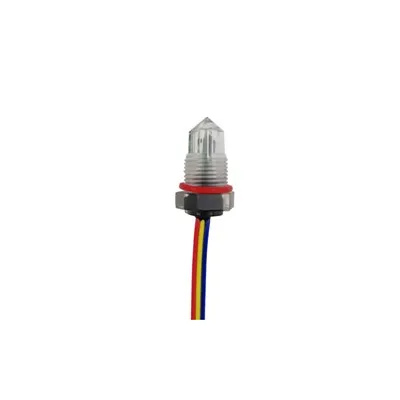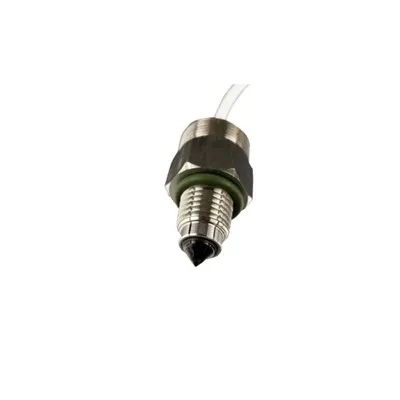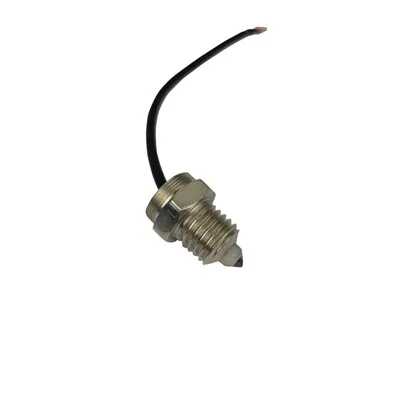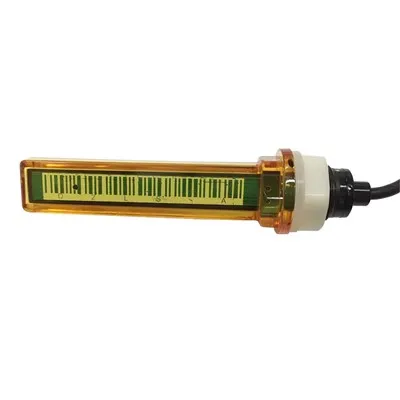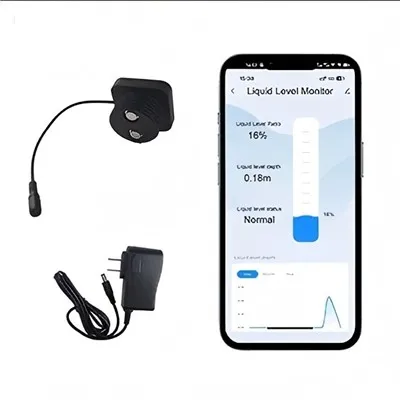
Proper maintenance and care are crucial for ensuring the long-term, stable operation of liquid level sensors. Adverse operating environments, improper usage, and delayed maintenance can all lead to sensor malfunctions, thereby compromising operational efficiency. Therefore, it is essential to acquire a thorough understanding of the correct procedures for maintaining and caring for liquid level sensors.
When installing a liquid level sensor, care must be taken to select an appropriate mounting location that minimizes exposure to external interference and potential physical damage. Regularly inspect the sensor's mounting hardware to ensure it remains secure and stable, thereby preventing measurement errors caused by vibration or displacement.
Periodically clean the surface of the liquid level sensor to prevent the accumulation of dust, oil, and other contaminants that could compromise measurement accuracy. Use a clean, soft cloth for cleaning; avoid using chemical solvents or sharp tools, as these may damage the sensor's surface and lead to malfunctions.
Pay close attention to the sensor's connecting cables and wiring to ensure that all connections are secure, free from looseness, and intact. Regularly inspect the wiring for any signs of damage and promptly repair any faults to prevent sensor failure caused by electrical connectivity issues.
Regularly calibrate the liquid level sensor to maintain measurement precision. Prior to calibration, ensure that the sensor is operating within appropriate temperature and humidity ranges to prevent environmental factors from influencing the measurement results. Follow the manufacturer's provided calibration methods and adhere to established operating procedures to guarantee the sensor's reliability and stability.
Maintain a regular record of all maintenance and care activities, documenting the sensor's usage history, maintenance dates, and the specific tasks performed. Establishing a comprehensive maintenance log facilitates the timely identification and resolution of potential sensor issues, thereby extending the sensor's service life and enhancing overall production efficiency.