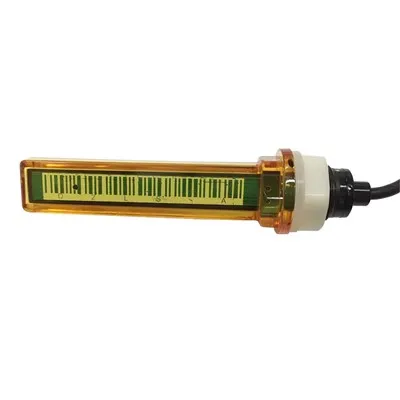
Portable Gas Detectors - The Complete Guide to Handheld and Portable Gas Detection Devices in 2026
In this guide: Everything you need to know about portable gas detectors - covering what portable gas detectors are, the different types and their uses, how they work, the best portable gas detectors in 2026, how to choose the right one for your needs, key features to look for, maintenance and calibration, and answers to the most commonly asked questions about handheld and portable gas detection devices for home, professional, industrial, and outdoor use.
What Are Portable Gas Detectors?
Portable gas detectors - also called handheld gas detectors or personal gas monitors - are compact, battery-powered devices designed to detect and measure the presence of hazardous gases in the environment. Unlike fixed gas detection systems that are permanently installed in one location, portable gas detectors are carried by an individual and used to actively survey different areas, inspect equipment, check for leaks, and protect the user from gas hazards in any location they go.
The defining characteristic of a portable gas detector is mobility: You carry it with you, which means you can take gas detection into spaces where fixed detectors cannot go - into crawl spaces, across job sites, through multiple rooms, along gas pipelines, into RVs, or across agricultural properties.
Portable gas detectors serve two primary functions:
Leak detection - finding WHERE gas is escaping: The detector alarms when it senses gas, helping you locate the exact source of a leak
Personal protection - measuring WHAT is in the air YOU are breathing: A personal gas monitor worn on the body continuously monitors the atmosphere and warns the wearer before gas exposure becomes dangerous
Types of Portable Gas Detectors
Single-Gas vs Multi-Gas Detectors
| Type | What It Does | Number of Sensors | Price Range | Best For |
|---|---|---|---|---|
| Single-gas detector | Detects one specific gas | 1 sensor | $50–$150 | Targeted use; specific hazard |
| Two-gas detector | Detects two gases (often O₂ + one toxic/combustible) | 2 sensors | $100–$250 | Confined space entry; basic protection |
| Three-gas detector | Detects O₂, a combustible gas, and one toxic gas (often CO or H₂S) | 3 sensors | $150–$400 | General industrial use; HVAC |
| Four-gas detector | Detects O₂, combustible gas, CO, and H₂S | 4 sensors | $250–$600 | Industry standard; most versatile |
| Five-gas detector | Detects O₂, combustible gas, CO, H₂S, and SO₂ or other | 5 sensors | $400–$800 | Advanced industrial; chemical facilities |
| Six-gas detector | Detects up to six gases simultaneously | 6 sensors | $600–$1,500 | Complex industrial; hazmat response |
By Application
| Application | Recommended Type | Typical Gases Detected |
|---|---|---|
| Home propane system inspection | Single-gas (propane) or two-gas | Propane; natural gas |
| Home natural gas leak detection | Single-gas (methane) | Natural gas (methane) |
| RV propane system check | Single-gas (propane) | Propane |
| Plumbing and HVAC service | Two- to four-gas | O₂; combustible gas; CO |
| Confined space entry | Four- to six-gas | O₂; combustible; CO; H₂S |
| Agricultural (grain bins; silos) | Four- to five-gas | O₂; combustible; CO; H₂S; NH₃ |
| Industrial chemical facilities | Six-gas | Multiple toxic and combustible gases |
| Fire service / hazmat | Four- to six-gas | O₂; combustible; CO; H₂S; multiple toxics |
Gases Detected by Portable Gas Detectors
The Most Commonly Detected Gases
| Gas | Chemical Formula | Category | Portable Detector Use |
|---|---|---|---|
| Oxygen | O₂ | Atmospheric | Standard - measures O₂ deficiency and enrichment |
| Methane (natural gas) | CH₄ | Combustible | Home gas detection; utility work |
| Propane | C₃H₈ | Combustible | Propane systems; BBQ; RVs |
| Butane | C₄H₁₀ | Combustible | Industrial; fuel gases |
| Hydrogen | H₂ | Combustible | Chemical; aerospace; battery rooms |
| Carbon monoxide | CO | Toxic; asphyxiant | Most important toxic gas - combustion; furnaces; vehicles |
| Hydrogen sulfide | H₂S | Toxic; corrosive | Sewers; oil and gas; agriculture |
| Ammonia | NH₃ | Toxic; corrosive | Refrigeration; agriculture; chemical |
| Sulfur dioxide | SO₂ | Toxic | Industrial; power plants |
| Chlorine | Cl₂ | Toxic | Water treatment; chemical |
| Nitrogen dioxide | NO₂ | Toxic | Industrial; diesel exhaust |
| Carbon dioxide | CO₂ | Asphyxiant | Fermentation; agriculture; confined spaces |
Oxygen Deficiency: The Silent Killer
Oxygen (O₂) monitoring is included in virtually every multi-gas portable detector because oxygen deficiency is invisible, odourless, and lethal - and it occurs more often than most people realise.
| O₂ Level | Effect | Danger |
|---|---|---|
| 20.9% (normal air) | Normal atmospheric oxygen | Safe |
| 19.5% | Minimum safe level | Warning - impaired thinking begins |
| 16% | Significant impairment | Dizziness; headache; nausea |
| 12% | Dangerous | Loss of consciousness likely |
| 10% | Life-threatening | Unconscious within minutes |
| 6% | Immediately lethal | Death within seconds to minutes |
Oxygen deficiency can occur in:
Confined spaces (sewers, tanks, silos, pits) where biological activity consumes O₂
Areas where another gas has displaced O₂ (a large gas leak reduces breathable O₂)
Spaces with combustion occurring (running engines, heaters without proper ventilation)
Agricultural settings (grain bins; silos where grain respiration consumes O₂)
How Portable Gas Detectors Work: Sensor Technologies
The Five Main Sensor Technologies
| Technology | What It Detects | How It Works | Pros | Cons |
|---|---|---|---|---|
| Electrochemical | O₂; CO; H₂S; SO₂; NO₂; Cl₂; NH₃ | Gas reacts with an electrode in an electrolyte, producing an electrical signal proportional to gas concentration | High accuracy; low power; specific to target gas | Limited lifespan (2–3 years); electrolyte dries out |
| Catalytic bead (pellistor) | Combustible gases (methane; propane; butane; H₂) | Gas burns on a heated catalytic bead; burning changes bead temperature and resistance | Broad combustible gas detection; fast response | Requires O₂ to work; poisoned by silicone; lead; sulfur compounds |
| Infrared (IR / NDIR) | CO₂; methane; propane; combustible gases | Gas absorbs specific infrared light wavelengths; absorption level indicates concentration | No O₂ needed; long lifespan (5–10 years); stable calibration | More expensive; does not detect non-IR-absorbing gases (H₂; CO) |
| Semiconductor (MOS) | Combustible gases (broad range) | Gas changes resistance of a heated metal oxide film | Low cost; broad detection; no O₂ required | Less specific; affected by humidity; drifts over time |
| Photoionisation (PID) | VOCs; aromatic compounds; many toxic organics | UV light ionises gas molecules; ion current indicates concentration | Extremely sensitive to low concentrations; detects hundreds of VOCs | Does not detect common gases (O₂; CO; H₂S; methane) |
Sensor Lifespan and Replacement
| Sensor Type | Typical Lifespan | Replaceable? |
|---|---|---|
| Electrochemical | 2–3 years | Usually replaceable as module |
| Catalytic bead | 3–5 years | Replaceable bead |
| Infrared (NDIR) | 5–10 years | Usually integral to unit |
| Semiconductor (MOS) | 5–7 years | Not usually replaceable |
| Photoionisation (PID) | Lamp: 1,000–2,000 hours; unit: 5+ years | Lamp replaceable |
Best Portable Gas Detectors in 2026
Best Portable Gas Detectors by Category
| Product | Type | Price | Gases Detected | Best For | Key Feature |
|---|---|---|---|---|---|
| MSA Altair 4XR | Four-gas wearable | $400–$500 | O₂; combustible; CO; H₂S | Best overall four-gas detector | MotionAlert; bump test without calibration; 4-year warranty |
| Honeywell BW MicroClip XT4 | Four-gas wearable | $350–$450 | O₂; combustible; CO; H₂S | Confined space; industrial | Compact; long battery life; simple operation |
| Detectron DG-100 | Single-gas propane | $25–$40 | Propane | Homeowners; RV owners; DIY | Best budget propane detector; affordable |
| HOME-FLEX 11-810-001 | Single/two-gas | $20–$40 | Propane; natural gas; methane | Propane system inspection | Brand expertise; affordable; flexible gooseneck probe |
| Gascope Propane Leak Detector | Single-gas | $30–$50 | Propane | RV and propane tank owners | Portable; dedicated propane detection |
| Boserhan Gas Leak Detector | Single/two-gas | $25–$45 | Natural gas; propane; methane | Home use; HVAC | Adjustable sensitivity; fast warm-up |
| UEi CD100A | Single-gas combustible | $40–$60 | Combustible gases | Professional HVAC and plumbing | Field-proven; reliable; gooseneck probe |
| Industrial Scientific GasBadge Pro | Single-gas | $200–$350 | Configurable (O₂; CO; H₂S; combustible) | Professional; personal protection | Clip-style; 2-year run time; intrinsically safe |
| Air Systems CGS-4 | Four-gas | $450–$600 | O₂; combustible; CO; H₂S | Confined space entry | High flow sampling; for use with sampling tube |
Portable Gas Detectors Under $50 (Budget Picks)
| Product | Price | Best For | Limitation |
|---|---|---|---|
| Detectron DG-100 | $25–$40 | Home propane system checks | Single-gas only; basic features |
| HOME-FLEX 11-810-001 | $20–$40 | Propane and natural gas leak inspection | Single-gas; not for professional use |
| Boserhan Gas Leak Detector | $25–$45 | Home natural gas detection | No O₂ or toxic gas detection |
| Handheld infrared methane detector | $35–$60 | Natural gas leak detection | Limited to methane only |
How to Choose the Right Portable Gas Detector
Decision Framework by Use Case
| Use Case | Recommended Type | Key Features to Prioritise |
|---|---|---|
| Homeowner with propane tank | Single-gas (propane) | Affordable; easy to use; propane-specific |
| RV owner | Single-gas (propane) | Portable; battery powered; dedicated propane sensor |
| Homeowner with natural gas appliances | Single-gas (methane/natural gas) | Methane detection; adjustable sensitivity |
| HVAC technician / plumber | Two- to four-gas | Combustible gas + O₂; professional grade |
| Confined space worker | Four- to six-gas | O₂; combustible; CO; H₂S; pump sampling capability |
| Agricultural worker (grain bins) | Four-gas | O₂; combustible; CO; H₂S; pump sampling |
| Industrial safety professional | Four- to six-gas | All toxics; intrinsically safe; data logging |
| Fire service / hazmat | Six-gas | Maximum coverage; rugged; fast response |
Key Features to Look For
| Feature | Why It Matters | What to Look For |
|---|---|---|
| Sensor type | Determines what the detector can and cannot detect | Match sensor to your specific gas hazard |
| Number of gases | More gases = better protection; higher cost | Four-gas is the practical minimum for professional use |
| Battery life | A dead detector provides no protection | Minimum 8 hours; look for 12–24+ hours |
| Intrinsic safety (ATEX/IECEx) | Required for hazardous locations | Mandatory for petroleum; chemical; mining applications |
| Bump test / calibration | Verifies sensors are responding correctly | Look for bump-testable units; some require no calibration gas for bump test |
| Data logging | Records gas exposure history | Required for compliance in many industries |
| Alarm type | Audible; visual; vibrating | Vibration alert critical for noisy environments |
| Display | Shows current gas readings | Digital readout shows concentration values, not just alarm |
| Warranty | Sensor replacement cost | Look for multi-year warranty on sensors |
| Certification | UL; CSA; ATEX; IECEx; MSHA | Verify certification matches your jurisdiction and application |
How to Use a Portable Gas Detector: A Step-by-Step Guide
For Leak Detection Surveys (Propane / Natural Gas)
| Step | Action |
|---|---|
| 1 | Power on the detector; allow the full warm-up period (typically 10–30 seconds) |
| 2 | Verify the detector is working - press the test button or expose to a known gas source |
| 3 | Begin at the gas source (propane tank valve; gas meter) |
| 4 | Move the detector's probe slowly along each connection, fitting, and section of pipe |
| 5 | Hold the detector near each fitting for 3–5 seconds to allow the sensor to respond |
| 6 | Work systematically toward the appliances - meter → main shutoff → regulators → branch lines → appliance connections |
| 7 | Check the full length of any flexible gas hose |
| 8 | Check all gas appliance connections: furnace; water heater; stove; dryer; fireplace |
| 9 | If the detector alarms, narrow down the exact location by moving the probe incrementally |
| 10 | Mark the leak location; do not use the gas system until repaired |
For Personal Protection (Confined Space / Industrial)
| Step | Action |
|---|---|
| 1 | Verify all sensors are within calibration date and bump test the detector before each use |
| 2 | Wear the detector on your body (clipped to collar; lapel; or harness) - not in a pocket |
| 3 | Perform a pre-entry atmospheric test using a remote sampling pump - test the space before entering |
| 4 | Confirm O₂ is between 19.5% and 23.5% before entering |
| 5 | Confirm no combustible or toxic gas is present before entering |
| 6 | Enter the space with the detector powered on and worn on your body |
| 7 | Monitor readings continuously while in the space |
| 8 | If any alarm sounds, evacuate immediately - do not wait to investigate |
| 9 | After exiting, record readings and download data if data logging is available |
| 10 | Perform post-use bump test to confirm continued sensor function |
Maintenance and Calibration
Maintenance Schedule
| Task | Frequency | How |
|---|---|---|
| Bump test (functional test) | Before each use | Expose to calibration gas or use bump test function; verify all alarms activate |
| Full calibration | Every 6 months (or per manufacturer) | Requires calibration gas and equipment; best done by a professional |
| Visual inspection | Before each use | Check housing; sensor ports; battery; alarm indicators |
| Battery charge / replacement | Charge when low; replace per manufacturer schedule | Do not allow batteries to fully discharge |
| Sensor replacement | Per sensor lifespan (see above) | Replace sensors before they expire |
| Full detector replacement | Every 5–7 years | Replace entire unit regardless of apparent functionality |
Bump Test vs Calibration: What's the Difference?
| Bump Test | Full Calibration | |
|---|---|---|
| What it does | Quick functional check that alarms activate | Verifies sensor accuracy against known gas concentrations |
| Frequency | Before each use | Every 6 months (or per manufacturer) |
| Equipment needed | Calibration gas OR built-in bump test feature | Calibration gas; calibration equipment; certified gas |
| Who can do it | User | Trained technician or qualified person |
| Time required | 30–60 seconds (with built-in feature) | 15–30 minutes |
| Purpose | Confirms sensor is alive and responding | Confirms sensor is reading accurately |
Portable Gas Detectors vs Fixed Gas Detectors
| Feature | Portable Gas Detector | Fixed Gas Detector |
|---|---|---|
| Mobility | ✅ Carried by user - inspects any location | ❌ Fixed in one location |
| Use case | Active inspection; personal protection | Continuous area monitoring |
| Power | Battery powered | AC powered (often with battery backup) |
| Installation | None - use immediately | Requires professional installation |
| Coverage | One area at a time | One area continuously |
| Cost | $20–$1,500 per unit | $300–$2,000+ per unit + installation |
| Best for | HVAC technicians; homeowners; confined space entry; inspections | Home safety (always-on monitoring); industrial plant monitoring |
| Replacement interval | 5–7 years | 5–10 years for control unit; sensors per lifespan |
Think of it this way: Fixed gas detectors are like a security camera - they watch one location continuously. Portable gas detectors are like a flashlight - you carry them to find problems anywhere. Both are valuable, and the best safety strategy uses both.
Frequently Asked Questions
Q1: What is the difference between a portable gas detector and a fixed gas detector?
Portable gas detectors are carried by an individual and used to actively detect gas hazards in different locations. Fixed gas detectors are permanently installed in one location and provide continuous monitoring of that area. Use portable detectors for inspection work, confined space entry, HVAC service calls, and personal protection. Use fixed detectors for always-on home safety, industrial plant monitoring, and areas where gas leaks need continuous surveillance. The best safety strategy uses both: fixed detectors for continuous monitoring and portable detectors for active inspection and personal protection.
Q2: Can I use a portable gas detector to detect a propane leak in my home?
Yes - a portable propane gas detector is one of the best tools a homeowner can use to detect propane leaks. For propane system inspection, a single-gas portable propane detector (such as the Detectron DG-100, HOME-FLEX 11-810-001, or Boserhan Gas Leak Detector at $20–$50) allows you to systematically check every connection, fitting, and appliance in your propane system. This is especially valuable for annual propane system inspections, after any work is done on the system, or when you suspect a leak.
Q3: How often should I bump test a portable gas detector?
Bump test a portable gas detector before every single use. A bump test (functional test) takes 30–60 seconds with a modern detector that has a built-in bump test feature and confirms that the sensors are responding and alarms will activate if gas is present. This is the minimum requirement before relying on the detector for personal protection. Full calibration should be performed every six months or per the manufacturer's schedule.
Q4: What is intrinsic safety (IS) certification for gas detectors?
Intrinsic safety (IS) certification - typically ATEX (Europe), IECEx (international), or UL (US) - means the detector is designed to operate safely in areas where explosive atmospheres may be present without igniting the gas or dust. Intrinsically safe gas detectors are required by law in many hazardous locations including petroleum facilities, chemical plants, mining operations, and anywhere an explosive gas atmosphere may occur. If you work in or around hazardous areas, your portable gas detector must be intrinsically safe certified.
Q5: How long does a portable gas detector last?
| Component | Typical Lifespan |
|---|---|
| Electrochemical sensors | 2–3 years |
| Catalytic bead sensors | 3–5 years |
| Infrared (NDIR) sensors | 5–10 years |
| MOS (semiconductor) sensors | 5–7 years |
| PID lamps | 1,000–2,000 hours of operation |
| Entire detector unit | 5–7 years before replacement |
| Rechargeable battery | 2–5 years; charge cycles matter |
| Non-rechargeable battery | Depends on model; typically 8–24 months |
Q6: Can a portable gas detector detect carbon monoxide (CO)?
Yes - most multi-gas portable detectors include an electrochemical sensor for carbon monoxide (CO) detection. Single-gas portable CO detectors are also widely available for specific applications. CO is one of the most important toxic gases to detect because it is produced by incomplete combustion (faulty furnaces, running engines, blocked flues) and kills hundreds of people per year. For home safety, a dedicated CO detector (fixed or portable) is essential. For professional use, a four-gas detector with CO sensor is the practical minimum.
Q7: Do portable gas detectors need to be calibrated?
Yes - portable gas detectors must be regularly calibrated to ensure they read gas concentrations accurately. Bump testing (functional testing) should be done before every use. Full calibration with certified calibration gas should be performed every six months or per the manufacturer's schedule. Calibration corrects for sensor drift - all sensors gradually change their response to gas over time. A detector that is not calibrated may alarm too early (causing false alarms) or too late (failing to protect you when you need it). Calibration should be performed by a trained technician or qualified person using certified calibration gas.
The Bottom Line: Portable Gas Detectors
Portable gas detectors are essential tools for anyone who works with, lives near, or needs to inspect gas systems - from homeowners with propane tanks to industrial safety professionals. Their mobility, versatility, and affordability make them the most practical tool for active gas detection, leak location, and personal protection in a wide range of applications.
Your portable gas detector selection guide:
| Need | Recommended Detector | Price Range |
|---|---|---|
| Home propane system inspection | Detectron DG-100 or HOME-FLEX 11-810-001 | $20–$40 |
| RV propane system checks | Gascope Propane Leak Detector | $30–$50 |
| Home natural gas detection | Boserhan Gas Leak Detector | $25–$45 |
| HVAC / plumbing professional | UEi CD100A | $40–$60 |
| General industrial / confined space | Honeywell BW MicroClip XT4 | $350–$450 |
| Professional safety / hazmat | MSA Altair 4XR | $400–$500 |
| Maximum industrial protection | Industrial Scientific GasBadge Pro | $200–$350 per sensor module |
Essential maintenance checklist:
✅ Bump test before every use
✅ Full calibration every 6 months
✅ Replace sensors before they expire
✅ Replace the entire detector every 5–7 years
✅ Charge or replace batteries regularly
✅ Store properly - avoid extreme temperatures and humidity
✅ Never use a detector past its calibration due date in a hazardous environment
A portable gas detector is an investment in safety. Choose the right detector for your application, maintain it properly, and use it consistently - because the gas hazards it detects can be invisible, odourless, and lethal within minutes.
Last updated: July 2026
Disclaimer: This guide provides general information about portable gas detectors for educational purposes. Product specifications, pricing, and availability are subject to change. Gas detection is one component of an overall safety programme. Always comply with applicable occupational safety regulations (OSHA; local codes; confined space entry procedures). Have gas systems professionally installed, maintained, and inspected. Calibration of gas detection equipment should be performed by qualified personnel using certified calibration gas. In case of any gas emergency, evacuate immediately and contact emergency services.