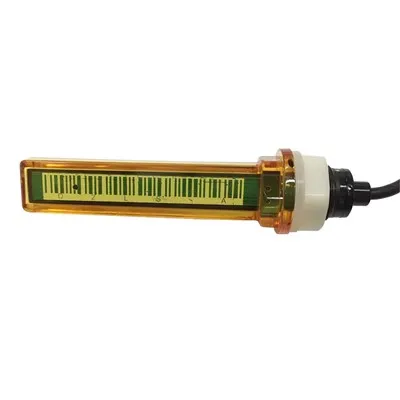
How to Detect a Propane Gas Leak? - Step-by-Step Propane Leak Detection Methods for Homes, RVs, and Properties
In this guide: A practical, step-by-step answer to the question "how to detect a propane gas leak?" - covering the five reliable detection methods (smell, sight, sound, soap test, and electronic detectors), the exact propane leak inspection walkthrough, the warning signs by appliance, what to do during a propane emergency, how to prevent leaks, and answers to the most frequently asked questions about propane gas leak detection.
How to Detect a Propane Gas Leak - Quick Answer
To detect a propane gas leak, use a layered approach: (1) smell for the "rotten egg" odorant, (2) look for white mist, frost, or dead vegetation, (3) listen for hissing, (4) perform a soap-and-water bubble test on every connection, and (5) install a certified propane gas detector for continuous monitoring. No single method is foolproof - propane's added odorant can fade, and large leaks can overwhelm your sense of smell. Combining all five methods gives you reliable detection.
Propane is heavier than air and stored under pressure, so a leak in an enclosed space can reach explosive concentration in minutes. Detecting leaks early - before ignition - is the only safe strategy.
Why Propane Leaks Are Hard to Detect
The Properties That Make Propane Sneaky
| Propane Property | What It Means for Detection |
|---|---|
| Heavier than air (1.5×) | Sinks to floors; pools in basements and low areas - away from where you might look |
| Colourless | You cannot see the gas itself |
| Odourless in pure form | The "rotten egg" smell comes from added ethyl mercaptan - not natural to propane |
| Stored as liquid under pressure | A tiny liquid leak expands 270× into a large gas cloud |
| Wide explosive range (2.1–9.5%) | Large margin of dangerous concentration |
| Odorant can fade | Mercaptan can be absorbed by soil, degrade in cold, or go unnoticed due to age/illness |
When Smell Fails You
| Situation | Why Smell Fails |
|---|---|
| Cold weather (below 40°F / 4°C) | Odorant may not vaporise enough to smell |
| Underground line leak | Soil absorbs the odorant before it reaches the surface |
| Olfactory fatigue | Prolonged exposure makes you stop noticing the smell |
| Age or illness | Reduced smell sensitivity |
| New tank coating | Rust inhibitor inside new tanks absorbs odorant initially |
| High concentration | Nose becomes overwhelmed; you may not register the smell |
This is exactly why electronic propane detectors and the soap bubble test are essential - not optional.
Method 1: How to Detect a Propane Leak by Smell
What You Are Looking For
| Smell | Likely Source | Action |
|---|---|---|
| Rotten egg / sulfur | Propane odorant escaping | Investigate; use detector or soap test |
| Strong sudden gas smell | Active leak in progress | Evacuate; shut off tank; call supplier |
| Faint intermittent smell | Small leak or odorant fade | Inspect with soap test and detector |
Smell Test Walkthrough
| Step | What to Do |
|---|---|
| 1 | Close windows and doors for a few minutes to concentrate any odour |
| 2 | Walk slowly through the building - do not sniff deeply (you may adapt) |
| 3 | Pause near each propane appliance: furnace, water heater, stove, dryer, fireplace |
| 4 | Check propane tank, regulator, and hose outside |
| 5 | Crouch near the floor in basements and low areas (propane sinks) |
| 6 | If you notice anything unusual, confirm with a detector or soap test |
| 7 | If the smell is strong, evacuate and call your supplier from outside |
Method 2: How to Detect a Propane Leak by Sight
Visual Warning Signs
| Sign | What It Means | Where to Look |
|---|---|---|
| White mist or fog | Pressurised propane vaporising | Near tank valve, regulator, or fittings |
| Ice or frost on fitting | Rapid propane expansion cooling the metal | Tank valve, regulator body |
| Dead patch of grass/plants | Propane displacing oxygen in soil | Above underground propane lines |
| Bubbling wet ground | Gas escaping through soil | Above buried propane piping |
| Condensation on windows | Large propane vapour in enclosed space | Basement windows near appliances |
Method 3: How to Detect a Propane Leak by Sound
Listening Protocol
| Sound | Meaning |
|---|---|
| Hissing or whistling | Pressurised propane escaping a small opening |
| Rushing airflow | Larger active leak |
| Gurgling in tank | Normal during filling; abnormal if constant with no appliance running |
Best listening conditions: turn off engines, HVAC, and appliances; close windows; listen directly at fittings. Never put your ear directly on a suspected leak - keep a safe distance and use a detector.
Method 4: The Soap Bubble Test - Most Reliable for Finding the Exact Spot
What You Need
| Item | Source |
|---|---|
| Dish soap | Kitchen |
| Spray bottle or soft brush | Store |
| Water | Tap |
| Rags | Home |
Soap Bubble Test Step by Step
| Step | Action |
|---|---|
| 1 | Mix 1 part dish soap with 3–4 parts water in the spray bottle |
| 2 | Turn the propane supply ON at the tank (leak must be pressurised) |
| 3 | Spray every fitting and connection - start at the tank valve, work toward appliances |
| 4 | Watch for bubbles forming - bubbles = propane escaping at that point |
| 5 | Mark the exact leak location |
| 6 | Turn OFF the propane supply immediately |
| 7 | Do NOT use the system until a qualified technician repairs it |
| 8 | Repeat the soap test after the repair to confirm it is resolved |
Connections to Test Every Time
| Connection | Leak Risk |
|---|---|
| Tank valve | High - highest pressure point |
| First-stage regulator | High - wears from pressure swings |
| Flexible propane hose (full length) | High - most common leak location |
| Second-stage regulator | Moderate to high |
| Appliance connector fittings | Moderate |
| Pipe nipples and elbows | Moderate |
| Relief valve | Low - may weep under certain pressures |
Method 5: Electronic Propane Leak Detectors
Types of Electronic Detectors
| Type | Power | Best For | Price |
|---|---|---|---|
| Fixed wired propane detector | 120V AC + backup battery | Permanent home protection | $40–$120 |
| Fixed propane + CO detector | 120V AC + backup | Recommended - both hazards | $70–$150 |
| Plugin propane detector | Wall outlet | Rental; secondary | $30–$80 |
| Portable handheld detector | Batteries | Inspections; travel; RVs | $20–$80 |
| Ultrasonic leak detector | Batteries | Professional large-leak location | $100–$500 |
Best Propane Leak Detectors in 2026
| Product | Type | Price | Best For |
|---|---|---|---|
| Safe-T-Alert 70-742-WT | Fixed wired propane + CO | $70–$100 | RVs; homes; gold standard |
| GasKnight 2.0 | Plugin | $34.99 | Affordable home monitoring |
| HOME-FLEX 11-810-001 | Portable handheld | $20–$40 | Propane system inspection |
| Camco 44401 | Fixed wired 12V DC | $30–$45 | RVs; trailers; off-grid |
| UEi CD100A | Portable handheld | $40–$60 | Professional inspections |
Where to Mount a Propane Detector
| Location | Mounting Height | Why |
|---|---|---|
| Near propane appliances | 4–6 inches from floor | Propane sinks |
| Basement with propane | 6 inches from floor | Lowest point of the home |
| Near tank connection inside building | Low on the wall | Gas pools at ground level |
| RV propane compartment | 4–6 inches from compartment floor | Per RV specs |
The Complete Propane Leak Inspection Walkthrough
Room-by-Room Checklist
| Area | Inspect | Detection Method |
|---|---|---|
| Propane tank | Valve, relief valve, body | Visual (frost); soap test; detector |
| Regulator | Connection, vent, diaphragm | Visual (frost); soap test |
| Flexible hose | Full length, both ends | Visual (cracks); soap test; detector |
| Above-ground piping | Every joint, elbow, nipple | Soap test; detector |
| Underground piping | Soil surface above line | Annual professional; soil bubble check |
| Furnace | Gas valve, supply, burner | Soap test; detector |
| Water heater | Gas valve, supply, burner | Soap test; detector |
| Stove / oven | Rear connection, orifice | Soap test; detector |
| Dryer | Flex connector, valve | Soap test; detector |
| Fireplace | Valve, log set, key valve | Soap test; detector |
| BBQ grill | Hose, regulator, valves | Soap test; detector |
Inspection Frequency
| Task | Frequency |
|---|---|
| Smell/visual self-check | Monthly |
| Soap bubble test of all connections | Annually + after any system work |
| Electronic detector test (button) | Monthly |
| Professional system inspection | Annually |
| Flexible hose replacement | Every 5–10 years or per manufacturer |
| Propane detector replacement | Every 5–7 years |
Emergency: What to Do If You Detect a Propane Leak
| Priority | Action | Why |
|---|---|---|
| 1 - DO NOT | Operate switches, phones, lighters, or any ignition source | A spark can ignite propane |
| 2 - EVACUATE | Get everyone out immediately | Protect lives first |
| 3 - SHUT OFF | If safe, close the tank valve | Stops the leak |
| 4 - VENTILATE | Open doors/windows as you leave | Dilutes gas |
| 5 - DISTANCE | Move 330+ feet (100+ m) away | Safe from potential explosion |
| 6 - CALL | Phone your propane supplier from outside | They shut off and inspect |
| 7 - EMERGENCY | Call 911 if leak is large or hissing | Fire department |
| 8 - NO RETURN | Don't re-enter until cleared | Residual gas may remain |
| 9 - REPAIR | Qualified technician only | No DIY propane repair |
| 10 - VERIFY | Pressure-test and soap-test after repair | Confirms completion |
How to Prevent Propane Leaks
| Prevention Task | Frequency | Who |
|---|---|---|
| Annual professional inspection | Every year | Propane technician |
| Soap test all connections | Annually + after work | Homeowner/technician |
| Tank visual check | Monthly | Homeowner |
| Hose inspection | Every 6 months | Homeowner |
| Detector test | Monthly | Homeowner |
| Detector replacement | Every 5–7 years | Homeowner |
| Hose replacement | Every 5–10 years | Technician |
| System pressure test | Every 5 years (some areas) | Technician |
Frequently Asked Questions
Q1: Can I detect a propane leak without a detector?
Yes - through smell, sight, sound, and the soap bubble test. But each non-electronic method has limits: the odorant can fade, sight and sound only catch large active leaks, and smell-based detection fails in cold weather or after prolonged exposure. For small leaks in enclosed spaces, an electronic propane detector is strongly recommended as a supplement.
Q2: What does a propane leak smell like?
Propane itself is odourless; the added ethyl mercaptan gives it a distinctive "rotten egg" or sulfur smell. If you notice this smell near a propane appliance, tank, or hose, treat it as a potential leak and confirm with a detector or soap test. A strong or sudden smell means evacuate and call your supplier.
Q3: Will a natural gas detector find a propane leak?
Not reliably. Propane and natural gas have different densities (propane sinks; natural gas rises) and different detector calibration. A detector calibrated for natural gas may not respond to propane, and vice versa. Use a propane-specific detector for propane systems. Some broad-range combustible detectors (like GasKnight 2.0) detect both.
Q4: Can my phone detect a propane leak?
No. Standard smartphones cannot detect propane gas. There are a few specialty sensor accessories, but consumer smartphone-based propane detection is not reliable. Use a dedicated, certified propane detector instead.
Q5: How often should I test my propane detector?
| Test | Frequency |
|---|---|
| Alarm button (functional) | Monthly |
| Propane exposure test | Every 6 months |
| Backup battery check | Every 6 months |
| Full replacement | Every 5–7 years |
Q6: Are propane leaks dangerous if there is no spark?
Yes. Even without ignition, a large propane leak displaces oxygen and can cause asphyxiation. Propane pooling in a basement or low area can overwhelm a person who enters. And any small spark - a light switch, static electricity, a pilot light - can ignite accumulated propane. Treat every leak as an emergency.
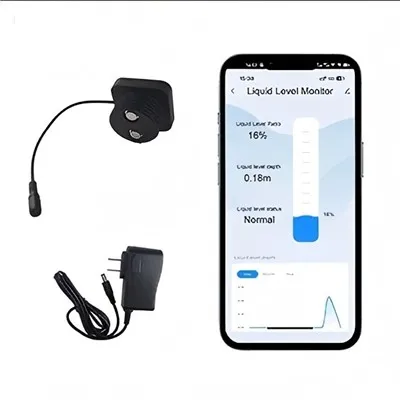
Q7: Is leak detection the same as tank level monitoring?
No. A tank gauge tells you how much propane is left (when to refill). A propane leak detector tells you if gas is escaping right now. You need both for complete safety - the gauge for refills, the detector for leak warnings.
The Bottom Line: How to Detect a Propane Gas Leak
Detecting a propane gas leak requires a layered, consistent approach - not a single tool. Use smell and sight for everyday awareness, the soap bubble test for annual verification and after any work, and a certified electronic propane detector for continuous protection. Combine these and you will catch leaks early, before they become fires or explosions.
Your propane leak detection toolkit:
| Method | Cost | Reliability | Best For |
|---|---|---|---|
| Smell (odorant) | Free | Moderate | Daily awareness |
| Visual inspection | Free | Moderate | Monthly self-check |
| Sound (hissing) | Free | Low–moderate | Active leaks only |
| Soap bubble test | $2–$5 | High | Annual + post-work verification |
| Electronic detector | $20–$100 | High | Continuous monitoring |
| Professional inspection | $100–$200/yr | Highest | Annual requirement |
Action plan:
✅ Install propane + CO combination detectors low on the wall near propane appliances
✅ Use a portable detector for annual system inspections
✅ Soap-test all connections at least once per year
✅ Test detectors monthly
✅ Replace detectors every 5–7 years
✅ Schedule annual professional inspection
✅ Know the rotten-egg smell - and take it seriously
✅ Have an evacuation plan: leave, call from outside, don't return
Propane is a safe, efficient fuel when handled correctly. Reliable leak detection is the foundation of that safety - make it a routine part of home and property maintenance.
Last updated: July 2026
Disclaimer: This guide provides general information about propane gas leak detection for educational purposes. Propane leak detection is one component of overall propane safety. Always have propane systems professionally installed, maintained, and inspected by qualified technicians. In case of any suspected propane leak - whether detected by smell, sight, sound, or detector - evacuate immediately, do not operate ignition sources, and contact your propane supplier or emergency services from a safe location. Do not attempt to repair propane leaks yourself.