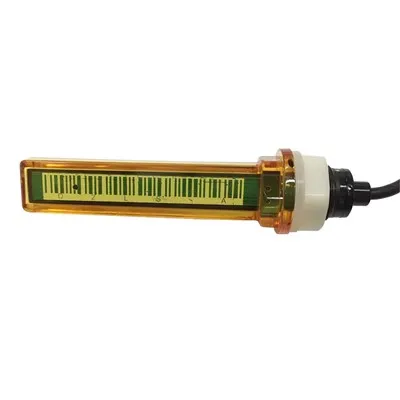
Propane Tank Monitoring - 500 Gallon: Complete Guide for Homeowners and Property Managers
Everything You Need to Know About Monitoring Your 500 Gallon Propane Tank
Introduction: Why Monitor a 500 Gallon Propane Tank?
Propane tank monitoring for 500 gallon tanks is essential for homeowners, property managers, and businesses that rely on propane for heating, hot water, cooking, or backup power generation. A 500 gallon propane tank is one of the most common residential tank sizes, typically serving homes between 1,500-3,000 square feet or properties with multiple propane appliances.
Without proper monitoring, you risk:
Running out of propane unexpectedly (especially during winter)
Emergency delivery fees (often $50-100+ extra)
Cold homes and non-functioning appliances
Inconvenience and safety concerns
This comprehensive guide covers everything you need to know about monitoring your 500 gallon propane tank, from basic methods to advanced smart technology solutions.
Understanding 500 Gallon Propane Tanks
What Is a 500 Gallon Propane Tank?
A 500 gallon propane tank is a large residential or light commercial propane storage container. Despite the name, these tanks are typically filled to 80% capacity (400 gallons maximum) to allow for propane expansion and safety.
Key Specifications
| Specification | Details |
|---|---|
| Actual Capacity | 500 gallons (water capacity) |
| Usable Capacity | 400 gallons (80% fill limit) |
| Tank Dimensions | Approximately 9-10 feet long, 3-4 feet diameter |
| Empty Weight (Tare) | 900-1,100 pounds |
| Full Weight | 3,100-3,300 pounds (400 gallons × 5.5 lbs/gallon) |
| Typical Uses | Home heating, water heating, cooking, backup generators |
| Home Size Served | 1,500-3,000 sq ft (varies by climate and usage) |
| Refill Frequency | 1-4 times per year (varies by usage) |
| Tank Lifespan | 20-30 years with proper maintenance |
Above-Ground vs. Underground Tanks
Above-Ground 500 Gallon Tanks:
✅ Easier to monitor visually
✅ Lower installation cost ($800-1,500)
✅ Easier maintenance and inspection
❌ Visible on property
❌ More susceptible to temperature changes
Underground 500 Gallon Tanks:
✅ Hidden from view
✅ Protected from weather
✅ Consistent temperature (better vaporization)
❌ Higher installation cost ($1,500-3,000)
❌ More difficult to monitor and inspect
❌ Requires excavation for replacement
Why 500 Gallon Propane Tank Monitoring Is Important
The Risks of Not Monitoring
Running out of propane can cause serious problems:
1. Heating System Failure
No heat during winter months
Frozen pipes and potential water damage
Expensive emergency repairs
Health and safety risks for occupants
2. Appliance Damage
Some appliances require propane to maintain function
Electrical igniters may fail
Pilot lights need propane
System priming required after run-out
3. Emergency Delivery Costs
Standard delivery: $0-50 fee
Emergency delivery: $50-150+ extra fee
After-hours/weekend delivery: Even higher fees
Potential wait time of 24-48 hours
4. Inconvenience and Disruption
Cold showers, no cooking
Backup generator won't run
Business operations disrupted
Tenant complaints (for property managers)
The Benefits of Proper Monitoring
| Benefit | Description |
|---|---|
| Avoid Run-Outs | Never unexpectedly run out of propane |
| Save Money | Avoid emergency delivery fees |
| Plan Refills | Schedule deliveries at convenient times |
| Budget Better | Track usage and predict costs |
| Peace of Mind | Know your fuel level at all times |
| Remote Access | Check levels from anywhere (with smart monitors) |
| Safety | Ensure critical systems have fuel |
Methods for Monitoring a 500 Gallon Propane Tank
Method 1: Built-In Tank Gauge (Standard)
How It Works
Most 500 gallon propane tanks come with a mechanical float gauge installed on top of the tank. This gauge uses a float inside the tank that rises and falls with the propane level, moving a needle on the external dial to show approximate fuel level.
Reading the Gauge
Gauge Locations:
Top of tank (most common)
Side of tank (some models)
Remote gauge (connected via cable)
Gauge Readings:
| Gauge Reading | Actual Propane Level | Action Needed |
|---|---|---|
| 80-100% | Full (400 gallons) | ✅ No action needed |
| 60-70% | 300-350 gallons | ✅ Good level |
| 40-50% | 200-250 gallons | ✅ Monitor usage |
| 30% | 150 gallons | ⚠️ Plan delivery soon |
| 20% | 100 gallons | 🚨 Schedule delivery now |
| 10% | 50 gallons | 🚨 Order delivery immediately |
| 0% | Empty | 🚨 Out of propane |
Accuracy and Limitations
Accuracy: ±10-15%
Float gauges provide estimates, not precise measurements
Temperature affects readings (cold = lower pressure = lower reading)
Age and wear affect accuracy
Limitations:
Requires physical visit to tank
Not accurate enough for precise planning
No remote monitoring capability
No alerts or notifications
Pros and Cons
✅ Pros:
Already installed on most tanks
No additional cost
Easy to read (if accessible)
Works without power or internet
❌ Cons:
Must visit tank to check
Limited accuracy
No remote monitoring
No automatic alerts
Hard to read on underground tanks
Method 2: Smart Propane Tank Monitors (Recommended)
What Are Smart Propane Monitors?
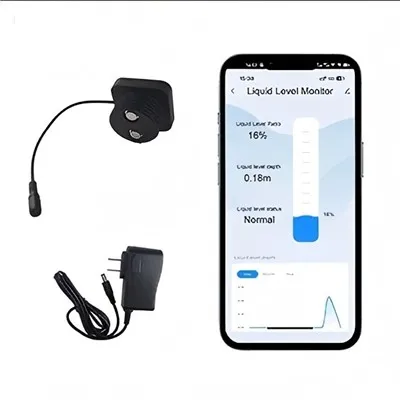
Smart propane monitors are electronic devices that attach to your tank and transmit fuel level data to your smartphone, tablet, or computer via WiFi or cellular networks. These devices provide real-time monitoring, alerts, and historical data.
Types of Smart Monitors
WiFi-Based Monitors:
Connect to your home WiFi network
Transmit data to cloud servers
Accessible via smartphone app from anywhere
No monthly fees (usually)
Require WiFi coverage at tank location
Cellular-Based Monitors:
Use 4G LTE cellular networks
Work anywhere with cellular coverage
No WiFi required
Often include monthly service fees ($3-10/month)
Best for remote locations or properties without WiFi at tank
Top Smart Monitors for 500 Gallon Tanks
1. Generac 4G LTE Propane Monitor (G0070090)
| Feature | Details |
|---|---|
| Price | $199-249 |
| Connection | 4G LTE Cellular |
| Monthly Fee | ✅ None (cellular included) |
| Range | Anywhere with cellular coverage |
| Accuracy | ±3% |
| App | Mobile Link (iOS/Android) |
| Battery Life | 5+ years (AA batteries) |
| Installation | Magnetic mount (<5 minutes) |
| Compatibility | Works with RD3 gauges (common on 500 gal tanks) |
| Remote Monitoring | ✅ Yes, worldwide |
Pros:
✅ No monthly fees (unique for cellular)
✅ Works anywhere with cellular signal
✅ Easy installation
✅ Long battery life
✅ Excellent for backup generator owners
Cons:
❌ Higher upfront cost than WiFi options
❌ Requires cellular coverage at tank location
❌ Designed primarily for Generac ecosystem
Best For: Homeowners with backup generators, remote properties, anyone wanting true remote monitoring without monthly fees
2. Mopeka Pro Check Sensor (WiFi Version)
| Feature | Details |
|---|---|
| Price | $100-150 |
| Connection | WiFi |
| Monthly Fee | None |
| Range | Anywhere with internet access |
| Accuracy | ±5% |
| App | Mopeka Tank Check (iOS/Android) |
| Battery Life | 2-3 years |
| Installation | Ultrasonic sensor on tank bottom |
| Compatibility | Works with most above-ground tanks |
| Remote Monitoring | ✅ Yes (with WiFi) |
Pros:
✅ Lower cost than cellular options
✅ No monthly fees
✅ Good accuracy
✅ Works with most tank types
Cons:
❌ Requires WiFi coverage at tank
❌ Not ideal for underground tanks
❌ Battery replacement needed every 2-3 years
Best For: Homeowners with WiFi coverage at tank location, above-ground tanks, budget-conscious buyers
3. Tank Utility WiFi Monitor
| Feature | Details |
|---|---|
| Price | $150-200 |
| Connection | WiFi |
| Monthly Fee | None |
| Accuracy | ±5% |
| App | Tank Utility app |
| Compatibility | Standard float gauge connection |
| Remote Monitoring | ✅ Yes |
Pros:
✅ No monthly fees
✅ Works with existing float gauge
✅ Good for underground tanks
✅ Easy app interface
Cons:
❌ Requires WiFi at tank
❌ Higher cost than basic sensors
❌ Limited availability
Best For: Underground tanks, homeowners wanting simple WiFi solution
4. OWL Cellular Monitor
| Feature | Details |
|---|---|
| Price | $150-200 |
| Connection | 4G LTE Cellular |
| Monthly Fee | $5-10/month |
| Accuracy | ±5% |
| Remote Monitoring | ✅ Yes, worldwide |
Pros:
✅ Works anywhere with cellular
✅ Good for remote locations
✅ Professional-grade reliability
Cons:
❌ Monthly subscription required
❌ Higher total cost over time
Best For: Remote properties, commercial applications, professional monitoring
5. Rochester SmartTank WiFi
| Feature | Details |
|---|---|
| Price | $150-200 |
| Connection | WiFi |
| Monthly Fee | None |
| Accuracy | ±5% |
| Remote Monitoring | ✅ Yes |
Pros:
✅ Reputable brand
✅ No monthly fees
✅ Good accuracy
Cons:
❌ Requires WiFi at tank
❌ Higher cost
Best For: Homeowners wanting established brand, WiFi coverage available
Smart Monitor Comparison Table
| Product | Connection | Price | Monthly Fee | Accuracy | Best For |
|---|---|---|---|---|---|
| Generac 4G LTE | Cellular | $199-249 | ✅ None | ±3% | Remote monitoring, generators |
| Mopeka WiFi | WiFi | $100-150 | None | ±5% | Budget, above-ground tanks |
| Tank Utility | WiFi | $150-200 | None | ±5% | Underground tanks |
| OWL Cellular | Cellular | $150-200 | $5-10/mo | ±5% | Remote properties, commercial |
| Rochester SmartTank | WiFi | $150-200 | None | ±5% | Brand preference, WiFi available |
Method 3: Propane Supplier Monitoring Programs
How Supplier Programs Work
Many propane suppliers offer tank monitoring as a service:
Supplier installs a monitor on your tank
They track your propane level remotely
Automatic delivery when tank reaches certain level (typically 20-30%)
Often included with automatic delivery contracts
Popular Supplier Programs
| Program Type | Monthly Fee | Features | Pros | Cons |
|---|---|---|---|---|
| Included with Auto-Delivery | Often free | Automatic refills, supplier monitors | ✅ No monitoring responsibility | ❌ Locked into one supplier |
| Standalone Monitoring | $5-15/month | Remote monitoring, alerts | ✅ Professional installation | ❌ Monthly cost |
| Smart Meter Program | Varies | App access, usage data | ✅ Full visibility | ❌ May require contract |
Pros and Cons
✅ Pros:
Professional installation
No equipment to purchase
Automatic delivery coordination
No technical setup required
Supplier handles maintenance
❌ Cons:
Monthly fees (often)
Locked into one supplier
Less control over delivery timing
May require long-term contract
Not available from all suppliers
Best For: Homeowners who want hands-off approach, those already using automatic delivery, people uncomfortable with technology
Method 4: Manual Inspection Methods
Visual Inspection
For above-ground tanks:
Visit the tank location
Check the built-in gauge
Note the percentage reading
Track readings over time
Frequency: Weekly during heavy use (winter), monthly during light use
The Hot Water Test
Works for above-ground tanks:
Pour hot (not boiling) water down tank side
Feel the tank surface
Cool area = propane present
Warm area = empty space
Transition point = current level
Accuracy: ±20% (rough estimate only)
Weight Method (Not Practical for 500 Gallon Tanks)
Due to the weight of 500 gallon tanks (3,000+ pounds when full), weighing is not practical for most homeowners.
Choosing the Right Monitoring Method for Your 500 Gallon Tank
Decision Guide
| Your Situation | Recommended Method | Why |
|---|---|---|
| Want remote monitoring, no monthly fees | Generac 4G LTE | Best value for cellular monitoring |
| Have WiFi at tank, want low cost | Mopeka WiFi | Affordable, no monthly fees |
| Underground tank with WiFi | Tank Utility | Designed for underground use |
| Want hands-off approach | Supplier program | Supplier handles everything |
| Remote property, no WiFi | Generac 4G LTE or OWL Cellular | Works anywhere with cellular |
| Budget very tight | Built-in gauge only | Free, but requires tank visits |
| Backup generator owner | Generac 4G LTE | Designed for generator users |
Key Considerations
1. Do You Need Remote Monitoring?
If you travel frequently: YES
If property is vacation home: YES
If you just want convenience: YES
If you're always home and tank is accessible: MAYBE NOT
2. Is WiFi Available at Tank Location?
If YES: WiFi monitors are cheaper
If NO: Cellular monitors required
If MAYBE: Test WiFi signal before buying WiFi monitor
3. Above-Ground or Underground Tank?
Above-ground: All monitor types work
Underground: Choose monitors designed for underground use (Tank Utility, supplier programs, some cellular monitors)
4. What's Your Budget?
Minimal: Built-in gauge only (free)
Low ($100-150): WiFi monitors
Medium ($150-250): Cellular monitors
Ongoing ($5-15/month): Supplier programs or cellular with fees
5. Do You Have a Backup Generator?
If YES: Generac 4G LTE is ideal
If NO: Any monitor works
Installation Guide for Smart Monitors
WiFi Monitor Installation
Time Required: 30-60 minutes
Steps:
Choose installation location
Near the tank gauge (if connecting to float gauge)
On tank bottom (if using ultrasonic sensor)
Ensure WiFi signal strength is adequate
Download the app
Install manufacturer's app on smartphone
Create account
Mount the sensor
Follow manufacturer instructions
For float gauge connection: Attach to gauge
For ultrasonic: Apply to tank bottom
Ensure secure attachment
Connect to WiFi
Power on the sensor
Follow app instructions to connect to WiFi
Enter WiFi credentials
Configure settings
Enter tank size (500 gallons)
Set alert thresholds (typically 30% and 20%)
Configure notifications
Test the system
Verify reading matches gauge
Test alerts by lowering threshold temporarily
Confirm app shows correct data
Cellular Monitor Installation
Time Required: 20-45 minutes
Steps:
Mount the sensor
Most cellular monitors use magnetic mounting
Attach to tank gauge or specified location
Ensure secure attachment
Activate cellular service
Some monitors include prepaid cellular (Generac)
Others require activation with cellular provider
Follow manufacturer activation instructions
Download app and configure
Install app, create account
Pair sensor with app
Enter tank information
Test and verify
Check signal strength
Verify readings
Test alerts
Professional Installation
If you're uncomfortable with DIY installation:
Cost: $75-150 for professional installation
Supplier programs: Often include free installation
HVAC technicians: Can install most monitors
Propane suppliers: May offer installation services
Understanding Propane Usage for 500 Gallon Tanks
Average Consumption Rates
Propane usage varies significantly based on:
Home size and insulation
Climate and weather
Number of propane appliances
Efficiency of appliances
Thermostat settings
Estimated Usage by Application:
| Appliance | Average Annual Usage | % of Total Usage |
|---|---|---|
| Home Heating (primary heat) | 500-1,200 gallons/year | 70-85% |
| Water Heater | 200-300 gallons/year | 15-25% |
| Cooking (stove/oven) | 20-50 gallons/year | 2-5% |
| Clothes Dryer | 20-40 gallons/year | 2-4% |
| Backup Generator (standby) | 20-100 gallons/year (varies by usage) | 2-10% |
| Fireplace | 20-50 gallons/year | 2-5% |
Typical Refill Schedule for 500 Gallon Tanks
| Climate/Usage | Refill Frequency | Gallons per Refill |
|---|---|---|
| Cold climate, primary heat | Every 4-6 weeks (winter) | 200-300 gallons |
| Moderate climate, primary heat | Every 2-3 months (winter) | 200-300 gallons |
| Warm climate, water heater only | 2-3 times per year | 100-200 gallons |
| Backup generator only | 1-2 times per year | 50-150 gallons |
Monitoring Usage with Smart Monitors
Smart monitors provide valuable usage data:
Daily Usage Tracking:
See how many gallons used per day
Identify usage patterns
Detect unusual consumption
Trend Analysis:
Compare usage week-to-week, month-to-month
Predict when refill needed
Budget for propane costs
Alerts:
Low level alerts (customize thresholds)
Usage spike notifications
System malfunction alerts
Cost Analysis: Propane Monitoring vs. Emergency Deliveries
Cost of Running Out
| Scenario | Cost Impact |
|---|---|
| Standard delivery | $0-50 delivery fee |
| Emergency delivery | $50-150+ extra fee |
| After-hours delivery | Additional $25-75 |
| Weekend/holiday delivery | Additional $25-100 |
| System priming after run-out | $50-100 service fee |
| Frozen pipe damage | $500-5,000+ repairs |
| Total potential cost | $100-5,000+ |
Cost of Monitoring
| Method | Initial Cost | Monthly Cost | Annual Total |
|---|---|---|---|
| Built-in gauge only | $0 | $0 | $0 |
| WiFi monitor | $100-200 | $0 | $100-200 |
| Generac 4G LTE | $199-249 | $0 | $199-249 |
| Cellular with monthly fee | $150-200 | $5-10 | $210-320 |
| Supplier program | $0-50 | $5-15 | $60-185 |
ROI Calculation
If you avoid ONE emergency delivery per year:
Emergency delivery extra fee: $50-150
Monitor cost (WiFi): $100-200
Break-even: Within 1-2 years
Annual savings: $50-150+ after payback
If you avoid frozen pipe damage:
Potential savings: $500-5,000+
Monitor cost: Minimal in comparison
ROI: Immediate and significant
Conclusion: Propane monitoring almost always pays for itself, often within the first year.
Maintenance and Troubleshooting
Maintaining Your Monitoring System
Built-In Gauge:
Inspect annually for damage or corrosion
Replace if needle sticks or gives erratic readings
Professional inspection every 5 years
Smart Monitors:
Check batteries annually (replace as needed)
Verify WiFi/cellular connection monthly
Update app when new versions available
Clean sensor contacts if applicable
Troubleshooting Common Issues
Monitor Not Connecting:
Check power/batteries
Verify WiFi/cellular signal
Restart the device
Re-pair with app
Contact manufacturer support
Inaccurate Readings:
Verify proper installation
Check for tank damage or issues
Compare with built-in gauge
Recalibrate if possible
Contact manufacturer if persistent
No Alerts Received:
Check notification settings in app
Verify phone permissions
Test with manual alert trigger
Ensure threshold is set correctly
Contact support if issue persists
Frequently Asked Questions (FAQ)
Q1: How often should I check my 500 gallon propane tank?
A: With a smart monitor, check weekly via app. Without a monitor, visually check weekly during winter, monthly during summer. Never let tank go below 20%.
Q2: What level should I order a propane delivery?
A: Order delivery when tank reaches 25-30% (100-120 gallons). This gives 1-2 weeks of usage before critically low, and time for delivery scheduling.
Q3: How long will 500 gallons of propane last?
A: It varies widely:
Heavy use (cold climate, primary heat): 4-6 weeks
Moderate use: 2-3 months
Light use (water heater only): 6-12 months
Backup generator only: 1-2 years (standby mode)
Q4: Can I install a monitor on an underground tank?
A: Yes. Choose monitors designed for underground tanks (Tank Utility, some cellular monitors, supplier programs). Installation may require excavation access to gauge.
Q5: Do I need WiFi for a propane monitor?
A: Not necessarily. Cellular monitors work without WiFi. If you have WiFi at tank location, WiFi monitors are typically less expensive with no monthly fees.
Q6: Are propane monitors accurate?
A: Smart monitors are typically ±3-5% accurate. Built-in float gauges are ±10-15% accurate. For precise measurement, smart monitors are superior.
Q7: How much does it cost to fill a 500 gallon propane tank?
A: At 400 gallons (80% fill) and propane prices of $2-4/gallon (varies by region and market):
Cost: $800-1,600 per fill
Prices fluctuate based on market conditions
Pre-buy contracts can lock in lower prices
Q8: What happens if my propane tank runs empty?
A: Consequences include:
No heat, hot water, cooking capability
Possible appliance damage
System priming required (fee: $50-100)
Emergency delivery fees ($50-150+ extra)
Possible frozen pipes in winter ($500-5,000+ damage)
Safety inspection may be required before refilling
Q9: Can I monitor my propane tank from my phone?
A: Yes, with a smart monitor. WiFi and cellular monitors connect to smartphone apps, allowing you to check levels, receive alerts, and track usage from anywhere.
Q10: Which is better - WiFi or cellular propane monitor?
A: It depends on your situation:
Choose WiFi if:
You have good WiFi signal at tank location
You want no monthly fees
You want lower initial cost
Choose Cellular if:
No WiFi at tank location
Remote property
You travel frequently
You want true anywhere access
(Choose Generac for no monthly fees)
Conclusion
Monitoring your 500 gallon propane tank is essential for avoiding run-outs, saving money, and ensuring your home stays warm and functional. Whether you choose a basic built-in gauge, a sophisticated smart monitor, or a supplier monitoring program, the investment in monitoring pays for itself by avoiding just one emergency delivery.
Key Takeaways:
500 gallon tanks hold 400 gallons usable propane (80% fill limit)
Order refills at 25-30% to avoid running out
Smart monitors provide the best convenience and accuracy (±3-5%)
Generac 4G LTE offers cellular monitoring with NO monthly fees
WiFi monitors are cost-effective if you have WiFi at the tank
Monitoring pays for itself by avoiding emergency fees
Our Recommendation: For most homeowners with 500 gallon propane tanks, we recommend the Generac 4G LTE Propane Monitor for its combination of remote monitoring capability, no monthly fees, and ease of installation. For those with WiFi at the tank and tighter budgets, a WiFi-based monitor like Mopeka Pro Check or Tank Utility provides excellent value.
Related Guides
How to Tell If a Propane Tank Is Full or Empty: 7 methods for checking propane levels
Propane Tank Sizes Guide: Understanding different propane tank capacities
Propane Safety 101: Essential safety information for propane users
Backup Generator Propane Requirements: Fuel needs for standby generators
Propane vs. Natural Gas: Comparison for home heating
Last Updated: July 2026
Disclaimer: Propane prices, tank specifications, and monitor features are subject to change. Always verify current information with manufacturers, suppliers, and local codes. This guide is for informational purposes-consult professionals for specific installation requirements.