When Should I Fill My Propane Tank? The Complete Refill Timing Guide
In this guide: The complete answer to when you should fill your propane tank - covering the ideal gauge percentage to reorder, why 25–30% is the sweet spot, how to avoid emergency runouts, the best time of year to fill for lowest price, how usage patterns change your refill schedule, seasonal timing strategies, how automatic delivery changes the equation, warning signs you are waiting too long, how to calculate your personal refill point, and answers to the most common questions about propane refill timing.
When Should I Fill My Propane Tank - Quick Answer
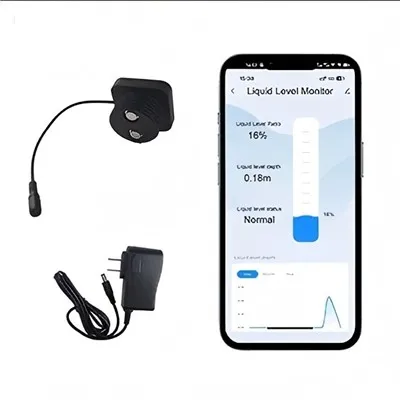
You should schedule a propane refill when your tank gauge reads 25–30% - not when it is empty. At 25–30%, a typical 500 gallon tank still has 100–120 gallons left, giving you a 1–2 week buffer before runout. This timing lets your supplier deliver on a normal route (3–7 days) instead of an emergency run that costs $100–$300+ extra. For the lowest price, schedule your fill during summer (June–August) when propane runs $2.00–$2.75/gallon versus $3.00–$4.00+ in winter - saving $300–$600 per fill. For critical systems like backup generators or remote cabins, reorder at 35–40% to build in extra safety margin. The rule: never let your tank drop below 20%, and use a tank monitor with low-level alerts so you never have to remember to check.
Bottom line: Reorder at 25–30%, refill in summer for savings, and never gamble on an empty tank.
The Ideal Refill Point: Why 25–30%
The Sweet Spot Explained
| Gauge Reading | Gallons Left (500 gal tank) | What It Means | Action |
|---|---|---|---|
| 80% | 400 gal | Full | No action |
| 50% | 200 gal | Half full | Monitor |
| 40% | 160 gal | Approaching reorder | Begin watching |
| 30% | 120 gal | Reorder zone | Schedule delivery now |
| 25% | 100 gal | Optimal reorder point | Order immediately |
| 20% | 80 gal | Low | Risk zone - order now |
| 10% | 40 gal | Critical | Emergency order needed |
| 0% | 0 gal | Empty | Runout - costly |
Why Not Wait Until 10–15%?
| Risk | Consequence |
|---|---|
| Delivery takes 3–7 days | Normal route; longer in peak winter (up to 2 weeks) |
| Cold snap spikes usage | A sudden freeze can burn through remaining propane fast |
| Runout during heating season | No heat; pipes freeze; $5,000–$20,000+ damage |
| Emergency delivery fee | $100–$300+ premium on top of fuel |
| Pilot light relights | $50–$150 for technician visit |
| System purge | $50–$100 if air enters lines |
| Supplier can refuse rush | During peak demand, even emergency delivery may be delayed |
Ordering at 25–30% gives you 100–120 gallons of buffer - about 1–2 weeks of normal usage. That is exactly enough time for a scheduled delivery without stress or premiums.
Best Time of Year to Fill: Price Timing
Seasonal Price Patterns
| Season | Typical Price/Gallon | Fill Cost (400 gal) | vs Summer |
|---|---|---|---|
| Summer (Jun–Aug) | $2.00–$2.75 | $800–$1,100 | Cheapest - baseline |
| Shoulder (Sep–Nov) | $2.50–$3.25 | $1,000–$1,300 | +$200–$400 |
| Winter (Dec–Feb) | $3.00–$4.00+ | $1,200–$1,600 | +$400–$600 |
| Spring (Mar–May) | $2.50–$3.25 | $1,000–$1,300 | +$200–$400 |
The Summer Fill Strategy
| Action | Benefit |
|---|---|
| Fill in June–August | Lowest per-gallon price of the year |
| Lock in fixed price | Protect against winter spikes |
| Pre-buy contract | Pay summer rate for later delivery |
| Top off before winter | Enter heating season with a full tank |
Filling in summer vs winter saves $300–$600 per fill - or $600–$1,200+ per year for a typical two-fill home. Even if you cannot fill completely in summer, top off before cold weather arrives.
When Price Matters Less Than Supply
| Situation | Priority |
|---|---|
| Tank at 20% in January | Supply first - order now regardless of price |
| Tank at 40% in July | Price first - fill cheap while you can |
| Generator backup tank | Reliability first - keep above 50% |
| Remote cabin before winter | Supply first - fill before closure |
How Usage Patterns Change Your Refill Schedule
Usage Level → Refill Frequency
| Usage Level | 400 gal Lasts | Refills/Year | When to Watch |
|---|---|---|---|
| Light (cooking + water) | 6–12 months | < 1 | Check monthly |
| Moderate (heat + water + cook) | 2–4 months | 1–2 | Check weekly in winter |
| Heavy (whole-home heat, cold) | 4–8 weeks | 2–4 | Check weekly year-round |
| Severe cold climate | 3–5 weeks | 3–6 | Check 2× weekly in winter |
Appliance Impact on Timing
| Mostly Using | Effect on Refill Timing |
|---|---|
| Furnace (primary heat) | Fast depletion in winter; refill often |
| Water heater only | Slow, steady use; refill rarely |
| Cooking only | Very slow; refill once a year or less |
| Generator backup | Irregular; keep topped for outages |
| Pool heater | Seasonal spike in summer; refill mid-season |
| Multiple appliances | Combined load; plan refills carefully |
Seasonal Timing Strategies
Winter Strategy (Heating Season)
| Practice | Why |
|---|---|
| Reorder at 30% (not 25%) | Cold snaps burn faster; build margin |
| Check gauge weekly | Usage accelerates with temperature drops |
| Keep supplier on automatic delivery | They monitor and deliver proactively |
| Do not wait for 20% | Peak-season delays are common |
Summer Strategy (Off-Season)
| Practice | Why |
|---|---|
| Fill when price is lowest (Jun–Aug) | Save $300–$600 per fill |
| Top off before winter | Enter cold season full |
| Lock fixed price if offered | Hedge against spikes |
| Monthly checks sufficient | Low usage; slow depletion |
Shoulder Season Strategy
| Practice | Why |
|---|---|
| Watch the forecast | Early cold snaps catch low tanks off guard |
| Refill by late October | Before first hard freeze |
| Compare suppliers | Prices more negotiable off-peak |
Automatic Delivery: Does Timing Still Matter?
How Automatic Delivery Works
| Feature | Detail |
|---|---|
| Supplier monitors your tank | Via installed remote sensor |
| Delivery when level drops | Typically at 20–30% threshold |
| You do not schedule | Supplier handles timing |
| Lower per-gallon rate | Often included with auto-delivery |
| No runout risk | Supplier manages supply |
When You Still Control Timing
| Situation | Your Action |
|---|---|
| You prefer summer pricing | Ask supplier to fill in summer even on auto-plan |
| You want fixed price | Request pre-buy or fixed-price contract |
| You own your tank | Free to compare suppliers regardless |
| Usage spikes unexpectedly | Call supplier early; do not rely on estimate |
With automatic delivery, the "when" is handled for you - but you can still influence the season and price by requesting summer fills and fixed-price contracts.
Warning Signs You Are Waiting Too Long
Red Flags
| Sign | What It Means | Action |
|---|---|---|
| Gauge below 20% | Danger zone | Order today |
| Furnace running constantly in cold | Rapid depletion | Check gauge daily; order if < 25% |
| Pilot light went out | Possible low pressure from low tank | Check gauge; order if low |
| Flame is small or weak | Low tank pressure | Order propane |
| Supplier says 1–2 week delay | Peak demand | You should have ordered earlier |
| Orange/yellow flame (not blue) | Incomplete combustion; check system | Service + check gauge |
| Rotten egg smell | Gas leak - NOT a timing issue | Evacuate; call supplier and fire dept |
Calculate Your Personal Refill Point
Step-by-Step
| Step | Action | Example |
|---|---|---|
| 1 | Know your tank size | 500 gallon |
| 2 | Know your daily usage | 8 gal/day (winter) |
| 3 | Decide safe buffer days | 14 days |
| 4 | Buffer gallons = usage × days | 8 × 14 = 112 gal |
| 5 | Reorder when remaining ≤ buffer | Order at ~112 gal = 28% |
| 6 | Convert to gauge % | 112 ÷ (500 × 0.8) = 28% |
Formula: Reorder % = (Daily Usage × Safe Buffer Days) ÷ (Tank Capacity × 0.8) × 100
Personal Refill Points by Situation
| Situation | Safe Buffer | Reorder At |
|---|---|---|
| Moderate home, reliable delivery | 10 days | 25% |
| Cold climate, heavy use | 14 days | 28–30% |
| Remote cabin, slow delivery | 21 days | 35–40% |
| Generator backup | 30 days | 40–50% |
| Multiple appliances, large home | 14 days | 30% |
Cost of Waiting Too Long
Runout Expense Breakdown
| Expense | Cost |
|---|---|
| Emergency delivery premium | $100–$300+ |
| After-hours surcharge | $75–$200 |
| Pilot relight service | $50–$150 |
| System purge (if air in lines) | $50–$100 |
| Pipe freeze damage | $5,000–$20,000+ |
| Food spoilage (generator down) | $200–$500 |
| Total potential cost | $5,500–$21,500+ |
A single runout can cost more than a tank monitor ($50–$250) and several years of scheduled fills combined. Timing your refill right is the cheapest insurance you can buy.
Frequently Asked Questions
Q1: When should I fill my propane tank?
Schedule a refill when your tank gauge reads 25–30%. This leaves 100–120 gallons (on a 500 gallon tank) as a 1–2 week buffer, enough time for a normal scheduled delivery. Never wait until the tank is empty - runouts cost $100–$300+ in emergency fees and risk frozen pipes. For the best price, fill in summer when propane is cheapest.
Q2: What percentage should I refill my propane tank at?
| Situation | Refill At |
|---|---|
| Typical home | 25–30% |
| Cold climate, heavy use | 28–30% |
| Remote cabin | 35–40% |
| Generator backup | 40–50% |
| Absolute minimum | Never below 20% |
Q3: Is it cheaper to fill propane in summer or winter?
Summer is significantly cheaper. Propane typically runs $2.00–$2.75/gallon in June–August versus $3.00–$4.00+ in December–February. Filling a 500 gallon tank (400 gallons) in summer costs about $1,000 vs $1,400+ in winter - a $400 savings per fill, or $600–$1,200+ per year for a typical home.
Q4: How long does it take to get a propane delivery?
Normal delivery takes 3–7 days. During peak heating season (January–February), it can stretch to 10–14 days. Emergency/rush deliveries are faster but cost $100–$300+ extra. This is why reordering at 25–30% (giving 1–2 weeks buffer) is critical - it matches your buffer to normal delivery time.
Q5: Can I wait until my propane tank is empty to refill?
No - never wait until empty. Running out causes emergency delivery fees ($100–$300+), possible pilot relights ($50–$150), system purging ($50–$100), and risks frozen pipes ($5,000–$20,000+). Always reorder at 25–30% to avoid these costs and inconveniences.
Q6: Should I use automatic delivery instead of watching the gauge?
Automatic delivery is a good option if you want hands-off management. Your supplier monitors your tank and delivers at a set threshold (usually 20–30%). It often includes a lower per-gallon rate and eliminates runout risk. You can still request summer fills and fixed-price contracts to control cost. If you own your tank, you remain free to compare suppliers.
Q7: How do I know if I am waiting too long to fill?
Red flags: gauge below 20%, furnace running constantly in cold weather, weak or small flames, pilot light going out, or your supplier quoting a 1–2 week delay during peak season. If you see any of these, order immediately. A tank monitor with low-level alerts prevents you from ever reaching this point.
Q8: How do I calculate my own refill point?
Use this formula: Reorder % = (Daily Usage × Safe Buffer Days) ÷ (Tank Capacity × 0.8) × 100. Example: 8 gal/day usage, 14-day buffer, 500 gallon tank → (8 × 14) ÷ (500 × 0.8) × 100 = 112 ÷ 400 × 100 = 28%. Reorder when your gauge hits 28%.
The Bottom Line: When Should I Fill My Propane Tank?
Fill your propane tank when the gauge reads 25–30% - that is the sweet spot that prevents runouts, avoids emergency fees, and matches normal delivery times. Fill in summer for the lowest price, use a tank monitor with alerts so you never forget, and never let the tank drop below 20%. For remote cabins and generators, build in extra buffer by reordering at 35–40%.
Key takeaways:
| Takeaway | Why It Matters |
|---|---|
| ✅ Reorder at 25–30% | 1–2 week buffer before runout |
| ✅ Never below 20% | Avoids emergency fees and damage |
| ✅ Fill in summer | Saves $300–$600 per fill |
| ✅ Delivery takes 3–7 days | Buffer must cover this window |
| ✅ Use a tank monitor | Alerts you automatically |
| ✅ Remote cabins: 35–40% | Longer delivery times need margin |
| ✅ Generator: 40–50% | Reliability is critical |
| ✅ Automatic delivery helps | Supplier manages timing |
| ✅ Runout costs $5,500–$21,500+ | Prevention is cheap |
| ✅ Calculate your own point | Match buffer to your usage |
Remember:
Reorder at 25–30% - not when empty
500 gal tank at 30% = 120 gallons left
Summer fills save $300–$600 per fill
Delivery normally takes 3–7 days
Emergency delivery adds $100–$300+
Never let the tank drop below 20%
Remote cabins: reorder at 35–40%
Generators: keep above 40–50%
Tank monitor pays for itself after one prevented runout
Automatic delivery eliminates timing worry
Cold snaps burn propane faster - reorder earlier in winter
Calculate your personal point: (usage × buffer) ÷ (capacity × 0.8)
Time your propane refill right and you will never face an empty tank, an emergency fee, or a frozen pipe again.
Last updated: July 2026
Disclaimer: This guide provides general information about propane refill timing for educational purposes. Always follow your propane supplier's guidelines and manufacturer instructions. Propane is a combustible fuel - ensure proper safety practices, use propane detectors, and consult your supplier for specific guidance related to your tank and usage.