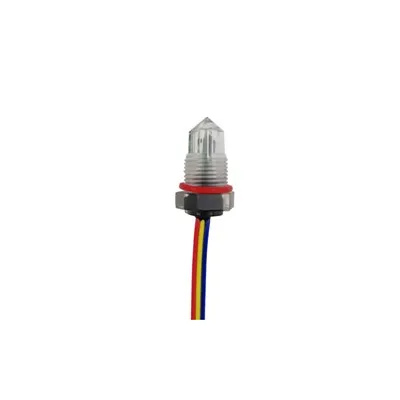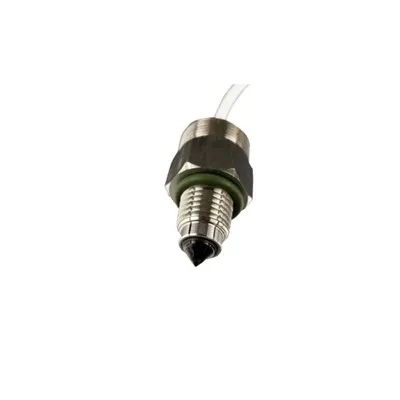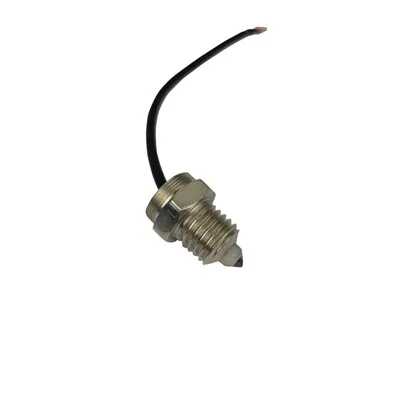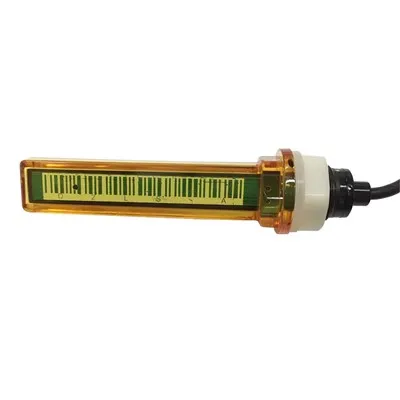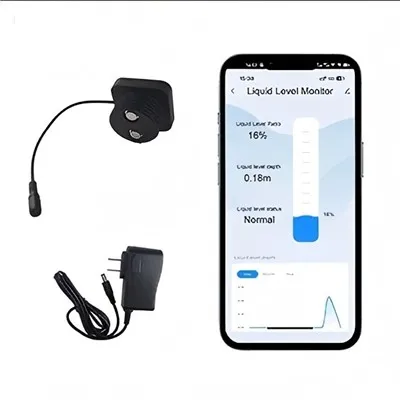
The primary function of a liquid level sensor is to perform real-time detection of liquid height and convert this level information into signals usable by control systems or monitoring equipment. By precisely measuring fluctuations in liquid levels, these sensors enable the automated control of liquid storage, transport, and processing operations. This prevents issues such as liquid overflow, dry-running, or other anomalies, thereby enhancing the safety and stability of system operations.
In addition to basic level measurement capabilities, liquid level sensors can also provide alarm and interlock control functions. When the liquid level reaches a preset high or low threshold, the sensor can trigger relay or switch outputs to execute automated actions-such as starting pumps or closing valves. This capability is particularly critical in industrial manufacturing and municipal water supply systems, where it serves to effectively prevent equipment damage and production accidents.
Furthermore, liquid level sensors possess data acquisition and intelligent capabilities. Certain models can transmit level data to control systems or cloud platforms via analog signals, current loops, or digital communication interfaces, thereby enabling remote monitoring, historical data logging, and automated analysis. Through these advanced features, liquid level sensors transcend simple measurement tasks to support intelligent management and optimized scheduling, providing reliable data support across industrial, agricultural, and residential sectors.