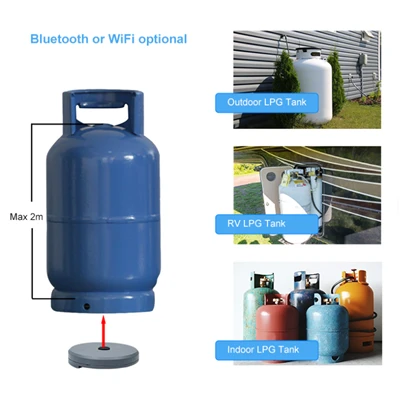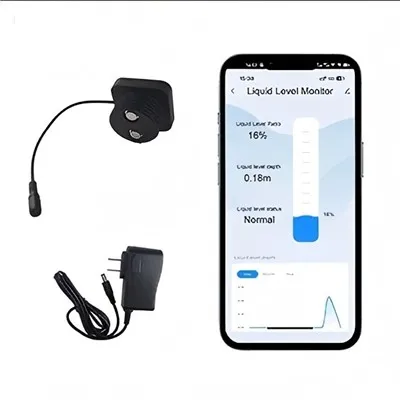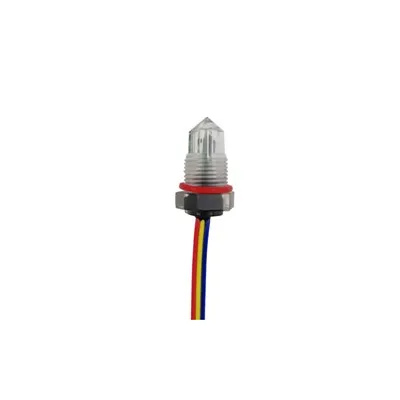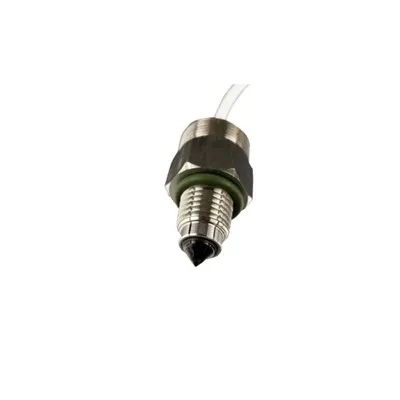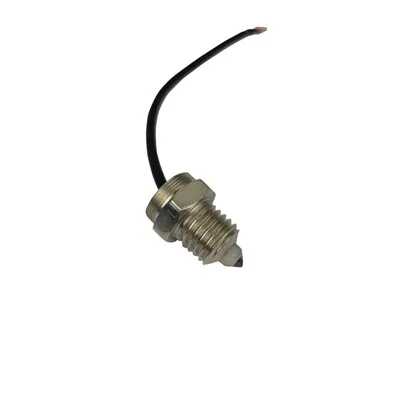
As devices designed to measure or monitor the height, depth, or position of liquids, liquid level sensors find application in an extremely wide and diverse range of scenarios. The following provides a brief overview of these applications.
Liquid level sensors play a vital role in both daily life and industrial production. In domestic settings, they are commonly found in appliances such as integrated humidifiers, water purifiers, water heaters, coffee machines, dishwashers, and electric steamers. By enabling these devices to accurately detect liquid levels, the sensors facilitate intelligent control and adjustment, thereby enhancing the overall user experience. Furthermore, liquid level sensors play an indispensable role in equipment such as pet water fountains and water pumps, ensuring the proper functioning of these devices and safeguarding the drinking safety of pets.
In the industrial sector, the applications of liquid level sensors are even more extensive. Across industries such as power generation, petrochemicals, electric utilities, and municipal water supply, these sensors are utilized to monitor liquid level fluctuations in equipment such as storage tanks, boilers, cooling towers, and reservoirs, thereby ensuring the stability and safety of production processes. For instance, within the petrochemical industry, liquid level sensors are employed to monitor tank levels, providing real-time feedback to prevent safety incidents caused by levels becoming either excessively high or dangerously low. In the electric power industry, they are used to control liquid levels in equipment such as boilers and cooling towers, ensuring both the proper operation and efficiency of these systems.
Additionally, liquid level sensors are widely utilized in industries such as maritime transport and food and beverage production. On ships, they are used to measure water levels in cargo holds, fuel tank reserves, and other parameters, providing critical safeguards for navigational safety. In the food and beverage industry, liquid level sensors are deployed along production lines to detect and control liquid levels, thereby ensuring the continuity and stability of the manufacturing process.