How Long Does a 1000-Gallon Propane Tank Last? Full Runtime Guide and Usage Calculator
In this guide: Everything you need to know about how long a 1000-gallon propane tank lasts - covering residential runtime estimates, factors that affect consumption, seasonal variations, cost planning, sizing guidance, and the complete FAQ for 2026.
How Long Does a 1000-Gallon Propane Tank Last? Quick Answer
A 1000-gallon propane tank holds approximately 800 gallons of usable propane (filled to 80% for safety) and will last 180–540 days for heating, depending on climate, home size, insulation quality, and how many propane appliances are running simultaneously. In mild climates, a 1000-gallon tank can heat a typical home for 6–9 months. In cold climates, the same tank typically lasts 3–6 months. A 1000-gallon tank is the most common size for medium-to-large homes that use propane for central heating, hot water, cooking, and clothes drying - and understanding your runtime is the key to scheduling deliveries on your terms instead of running out at the worst possible moment. This guide provides realistic runtime estimates for every climate zone, explains exactly what drives your consumption, shows you how to calculate your specific usage, and helps you plan your annual propane budget with confidence.
Understanding Your 1000-Gallon Propane Tank
Capacity, Fill Levels, and What You Are Actually Working With
A 1000-gallon propane tank is a large above-ground or underground vessel - it is the workhorse tank for homes that use propane as their primary heating fuel and for multiple household appliances:
1000-gallon propane tank specifications:
| Specification | Detail | Why It Matters |
|---|---|---|
| Actual tank capacity | 1,000 gallons | Full physical capacity |
| Legal fill level (DOT/safety) | 800 gallons (80%) | Never filled above 80% - propane expands with heat |
| Usable propane for heating | 800 gallons | The number you budget and schedule around |
| Total energy content | 800 × 91,500 BTU/gallon = 73,200,000 BTU | Total heating energy available |
| Tank empty weight (typical) | 1,700–2,200 lbs | For structural and installation planning |
| Tank full weight | 8,500–9,500 lbs | Foundation and anchoring requirements |
| Typical dimensions | 16–19 feet long × 41" diameter | Space planning and code compliance |
| Installation clearance | 10 ft from building openings; 10 ft from property line | NFPA 58 and local code compliance |
How Long Does a 1000-Gallon Tank Last for Heating? Runtime by Scenario
Realistic Estimates Across Climate Zones and Home Types
The most important factor in determining how long a 1000-gallon tank lasts is your climate - cold weather dramatically increases heating demand and shortens runtime accordingly:
Heating runtime estimates for a 1000-gallon tank (800 gallons usable):
| Climate / Home Type | Daily Propane Use (gallons) | Total Runtime | Typical Use Case |
|---|---|---|---|
| Mild climate - well-insulated home (<2,500 sq ft) | 1.5–2.5 gal/day | 320–533 days (10–18 months) | Southern states; coastal California |
| Mild climate - average home (2,500–3,500 sq ft) | 2.5–3.5 gal/day | 229–320 days (8–11 months) | Southern/mild mid-Atlantic; Arizona |
| Moderate climate - well-insulated home | 3.0–4.5 gal/day | 178–267 days (6–9 months) | Mid-Atlantic; Pacific Northwest; Tennessee |
| Moderate climate - average insulation | 4.5–6.0 gal/day | 133–178 days (4.5–6 months) | Mid-Atlantic; Ohio Valley; Mountain states |
| Cold climate - well-insulated home | 5.5–7.5 gal/day | 107–145 days (3.5–5 months) | New England; Upper Midwest; Rockies |
| Cold climate - average insulation | 7.5–10.0 gal/day | 80–107 days (2.5–3.5 months) | Northern New England; Upper Midwest |
| Very cold climate - newer efficient home | 9.0–13.0 gal/day | 62–89 days (2–3 months) | Minnesota; North Dakota; Montana; northern Maine |
| Very cold climate - average insulation | 13.0–20.0 gal/day | 40–62 days (1.5–2 months) | Northern tier states; rural areas |
What Determines How Fast Your 1000-Gallon Tank Runs Out?
The 8 Key Factors That Drive Propane Consumption
Your actual runtime will vary based on specific conditions - understanding these factors lets you predict consumption accurately:
Factors that determine propane heating consumption rate:
| Factor | Impact on Consumption | How to Account for It |
|---|---|---|
| Climate / outdoor temperature | Cold climates use 4–6× more propane than mild climates | Use climate zone multipliers |
| Home size (square footage) | Larger homes require proportionally more BTUs to heat | Use 30–50 BTU per sq ft baseline |
| Insulation quality (walls, attic, windows) | Poor insulation increases consumption 30–50% | Check R-values; seal air leaks |
| Thermostat setting and schedule | Each 2°F increase = 5–10% more fuel per degree | Set 68°F or lower when home; lower when away |
| Heating system efficiency (AFUE rating) | Older 80% AFUE furnace uses 20% more than 95% AFUE | Upgrade to high-efficiency system to reduce consumption |
| Number of propane appliances running simultaneously | Furnace + water heater + dryer + stove = much faster consumption | Understand your total simultaneous load |
| Age and condition of appliances | Older systems work harder for the same output | Annual maintenance reduces unnecessary consumption |
| Duration of cold spells | Extended below-freezing periods spike daily consumption | Monitor weather forecasts; order before cold snaps |
Climate zone consumption multipliers (relative to mild baseline):
| Climate Zone | Example States | Multiplier vs. Mild Baseline | Typical Daily Use (average home) |
|---|---|---|---|
| Mild (Zone 6–7) | Georgia, Alabama, Mississippi, Texas, coastal California | Baseline: 1.0× | 1.5–3.5 gal/day |
| Moderate (Zone 5) | Virginia, North Carolina, Tennessee, Oregon, Washington | 1.5–2.5× | 2.5–6.0 gal/day |
| Cold (Zone 4) | New York, Pennsylvania, Ohio, Michigan, Colorado, Montana | 2.5–4.0× | 5.5–10.0 gal/day |
| Very Cold (Zone 2–3) | Minnesota, North Dakota, Maine, northern Wisconsin | 4.0–6.0× | 9.0–20.0 gal/day |
Calculating Your Specific Propane Consumption
The Step-by-Step Method for 1000-Gallon Tanks
The most accurate way to estimate your consumption is to calculate based on your combined appliance BTU load and daily run time:
Step-by-step consumption calculation for a 1000-gallon tank:
| Step | Calculation | Example |
|---|---|---|
| 1. List all propane appliances and their BTU output | Furnace, water heater, stove, dryer, fireplace | Furnace: 90,000 BTU/h; Water heater: 40,000 BTU/h |
| 2. Adjust each for efficiency (AFUE) | Net usable heat = BTU × AFUE% | Furnace: 90,000 × 0.92 = 82,800 BTU/h |
| 3. Estimate daily run hours for each appliance | How many hours per day does each run? | Furnace: 10h; Water heater: 3h |
| 4. Calculate daily BTU for each | BTU × hours per day | Furnace: 82,800 × 10 = 828,000 BTU; WH: 36,800 × 3 = 110,400 BTU |
| 5. Sum daily BTU across all appliances | Add all appliance daily totals | 828,000 + 110,400 = 938,400 BTU/day |
| 6. Convert total BTU to gallons | BTU/day ÷ 91,500 BTU/gallon | 938,400 ÷ 91,500 = 10.3 gal/day |
| 7. Calculate tank runtime | 800 gallons ÷ daily consumption | 800 ÷ 10.3 = ~78 days |
How Many Gallons Does Each Appliance Use?
Average Consumption by Propane Appliance
Understanding how much each appliance contributes to your daily consumption helps you identify the biggest users:
Average daily propane consumption by appliance:
| Appliance | Typical BTU/h | Efficiency | Net BTU/h | Hours/Day | Gallons/Day |
|---|---|---|---|---|---|
| Central furnace (heating whole home) | 75,000–100,000 | 90–95% AFUE | 67,500–95,000 | 6–14 hours | 4.5–14.5 gal |
| Hot water heater (tank) | 35,000–50,000 | 80–90% | 28,000–45,000 | 2–5 hours | 0.6–2.5 gal |
| Tankless water heater | 150,000–200,000 | 90–98% | 135,000–196,000 | Variable (per use) | 0.5–2.0 gal |
| Gas cooktop / range | 35,000–65,000 | 95% | 33,000–62,000 | 1–2 hours | 0.4–1.4 gal |
| Propane clothes dryer | 22,000–35,000 | 95% | 21,000–33,000 | 1–2 hours | 0.2–0.7 gal |
| Propane fireplace (decorative) | 20,000–40,000 | 95% | 19,000–38,000 | 2–4 hours | 0.4–1.7 gal |
| Garage / workshop heater | 30,000–75,000 | 90–95% | 27,000–71,000 | 4–8 hours | 1.2–6.2 gal |
| Pool / spa heater | 200,000–400,000 | 90–95% | 180,000–380,000 | 4–8 hours | 7.8–33.2 gal |
Annual Propane Costs for a 1000-Gallon Tank Home
Expected Costs by Climate and Usage Profile
Estimating your annual propane budget for a home running on a 1000-gallon tank:
| Climate / Usage Profile | Annual Gallons Used | Annual Cost @ $2.50/gal | Annual Cost @ $3.50/gal | Annual Cost @ $4.50/gal |
|---|---|---|---|---|
| Mild - heating only (small home) | 400–700 gallons | $1,000–$1,750 | $1,400–$2,450 | $1,800–$3,150 |
| Mild - all appliances | 600–1,000 gallons | $1,500–$2,500 | $2,100–$3,500 | $2,700–$4,500 |
| Moderate - heating only | 800–1,400 gallons | $2,000–$3,500 | $2,800–$4,900 | $3,600–$6,300 |
| Moderate - all appliances | 1,000–1,800 gallons | $2,500–$4,500 | $3,500–$6,300 | $4,500–$8,100 |
| Cold - heating only | 1,400–2,200 gallons | $3,500–$5,500 | $4,900–$7,700 | $6,300–$9,900 |
| Cold - all appliances | 1,800–2,800 gallons | $4,500–$7,000 | $6,300–$9,800 | $8,100–$12,600 |
| Very cold - heating only | 2,200–3,500 gallons | $5,500–$8,750 | $7,700–$12,250 | $9,900–$15,750 |
| Very cold - all appliances | 2,800–4,500 gallons | $7,000–$11,250 | $9,800–$15,750 | $12,600–$20,250 |
When to Refill Your 1000-Gallon Propane Tank
Critical Timing to Avoid Running Dry
The most important management rule for a 1000-gallon tank: never let it drop below 20–25% (160–200 gallons remaining) before ordering your next delivery:
Refill timing guide for a 1000-gallon tank:
| When to Order Refill | Gallons Remaining | Estimated Days Left (moderate climate) | Notes |
|---|---|---|---|
| At 50% (500 gallons) | 500 gallons | 80–110 days extra buffer | Ideal for summer fills before winter |
| At 30% (300 gallons) | 300 gallons | 50–67 days | Recommended winter trigger |
| At 25% (250 gallons) | 250 gallons | 42–56 days | Minimum recommended trigger |
| At 20% (200 gallons) | 200 gallons | 33–44 days | Minimum safe level |
| At 15% (150 gallons) | 150 gallons | 25–33 days | Order immediately - winter emergency risk |
| At 5% (50 gallons) | 50 gallons | 8–11 days | Do not use appliances - purge required if dry |
Tip: Ordering in summer (when demand is low) typically secures lower per-gallon prices than winter fills when demand peaks. Fill to 80% before the heating season begins and you will likely save $0.20–$0.50 per gallon.
Signs Your 1000-Gallon Tank Is Being Consumed Faster Than Normal
Warning Signals to Watch For
These symptoms indicate your propane consumption is running above expected levels:
| Warning Sign | What It Indicates | Action |
|---|---|---|
| Runtime significantly shorter than estimated | Insulation problem, appliance issue, or temperature anomaly | Inspect insulation; service appliances; verify gauge |
| Higher than expected monthly bills | Price increase OR higher consumption | Check pricing; audit usage habits |
| Furnace running more hours than normal | Thermostat miscalibration; duct leaks; insulation degradation | HVAC inspection; duct sealing; insulation check |
| Water heater not maintaining temperature | Sediment buildup; thermostat failure | Drain water heater; check thermostat |
| Tank level dropping faster than last year | Colder winter; more occupants; appliance aging | Compare to prior year; schedule service |
Frequently Asked Questions
Q1: How long does a 1000-gallon propane tank last?
A 1000-gallon propane tank holds 800 gallons of usable propane (filled to 80% safety standard) and will last 180–540 days for heating depending on your climate, home size, insulation quality, and how many appliances you run on propane. In a mild climate heating a well-insulated home, expect 320–533 days (10–18 months). In a moderate climate heating an average home, expect 133–267 days (4.5–9 months). In a cold climate, expect 80–145 days (2.5–5 months). In a very cold climate, expect 40–89 days (1.5–3 months). The most accurate calculation uses your specific appliance BTU ratings, their daily run times, and your climate's heating degree days. The key management rule is to order your next delivery when the tank reaches 20–25% (160–200 gallons remaining) - never wait for it to run lower, as winter delivery backlogs can leave you without heat.
Q2: How much does it cost to fill a 1000-gallon propane tank?
Filling a 1000-gallon propane tank costs approximately $2,000–$3,200 at current 2026 market prices of $2.50–$4.00 per gallon (800 gallons is the fill amount at the 80% safety level). Annual heating costs for a home on a 1000-gallon tank range from approximately $1,500–$20,250 per year depending on climate, how many appliances run on propane, and current market prices - with the wide range reflecting the dramatic difference between a mild-climate home with minimal heating demand versus a very cold-climate home running multiple propane appliances. Most homeowners on 1000-gallon tanks consume 800–2,500 gallons per year for all household uses. Many propane suppliers offer price-lock programs, budget plans that spread costs monthly, and auto-delivery programs that eliminate the need to monitor the tank manually.
Q3: How many gallons does a house use per month with a 1000-gallon propane tank?
A home using a 1000-gallon propane tank typically consumes 70–400 gallons per month depending on climate and season. In summer (non-heating months), consumption drops to 50–100 gallons per month as the furnace is off and only water heater, stove, and dryer run. In shoulder seasons (spring/fall), consumption rises to 100–200 gallons per month. In heating season (winter), consumption spikes to 200–400 gallons per month in cold climates. For example, a moderate-climate home might use 60 gallons in July, 120 gallons in October, and 350 gallons in January. Tracking your monthly consumption and comparing it to prior years is the most reliable way to predict your next delivery need.
Q4: What size home is a 1000-gallon propane tank appropriate for?
A 1000-gallon propane tank is most appropriate for medium-to-large homes (2,000–4,000+ square feet) in cold to very cold climates, or larger homes in moderate climates, especially when propane runs multiple appliances including central heating, hot water, cooking, and clothes drying. A 1000-gallon tank is typically the minimum recommended size for a home with a propane furnace in a cold climate. If your home is smaller than 2,000 square feet in a mild climate and you only use propane for heating, a 500-gallon tank may be more appropriately sized. The rule of thumb for residential propane tank sizing is 1 gallon of tank capacity per square foot of living space per year in cold climates - meaning a 3,000 square foot home in a cold climate might realistically use 3,000+ gallons per year and would benefit from at least a 1000-gallon tank, or potentially a 1000-gallon tank with more than one fill per year.
Q5: Can a 1000-gallon propane tank run out during winter?
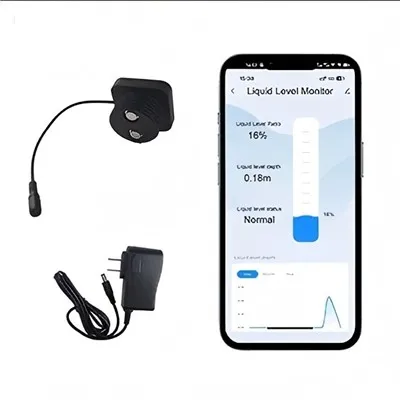
Yes - a 1000-gallon propane tank can absolutely run out during winter, especially in cold and very cold climates where the heating demand is highest and the consequences of running out are most severe. In a very cold climate, a 1000-gallon tank may only provide 40–90 days of heating, and a long cold snap in early winter can consume the tank faster than expected, leaving you without heat at the worst possible time. Running out during winter is a genuine emergency: you lose heat immediately, the tank must be professionally purged before refilling (mandatory safety requirement), emergency winter deliveries cost more and may take longer to schedule, and running out in freezing temperatures risks frozen pipes. The prevention is straightforward: monitor your tank gauge weekly during heating season, order your next delivery when the tank hits 25% (250 gallons remaining), and consider a wireless tank monitor with low-level alerts sent directly to your phone.
The Bottom Line
A 1000-gallon propane tank holds 800 gallons of usable propane and will last 40–540 days for heating depending on your climate and home - with a realistic range of 4–9 months for most homes in moderate climates and 2–5 months in cold climates. The most accurate way to calculate your specific runtime is to sum the daily BTU consumption of all your propane appliances and divide 800 gallons' worth of energy by that number. During heating season, check your tank gauge weekly and order your next delivery when it hits 20–25% (160–200 gallons remaining) - never wait for an emergency in cold weather. If you are consistently running out before spring, consider a larger tank, improving your home's insulation, or upgrading to a higher-efficiency heating system to extend your runtime and reduce annual costs.
Last updated: July 2026
Disclaimer: This guide provides general information about 1000-gallon propane tank runtime for educational purposes. Actual propane consumption, tank runtime, and costs vary significantly by climate, home construction, heating system efficiency, number of appliances, and local market conditions. Always consult a licensed HVAC professional or propane supplier for sizing and usage guidance specific to your home. Prices referenced are national averages and may not reflect current local market conditions. This guide is not affiliated with, endorsed by, or sponsored by any propane supplier or HVAC equipment manufacturer.