How to Detect a Propane Gas Leak - Complete Guide to Finding Propane Leaks in Your Home, RV, and Property
In this guide: Everything you need to know about detecting propane gas leaks - covering how to detect a propane gas leak using smell, sight, sound, and electronic detectors; the step-by-step inspection process for your propane system; the best propane leak detectors in 2026; where propane leaks most commonly occur; emergency response steps if you detect a propane leak; and answers to the most commonly asked questions about propane leak detection.
How to Detect a Propane Gas Leak: An Overview
Propane leaks are one of the most dangerous hazards in homes, RVs, farms, and commercial properties that use propane fuel. Propane is stored under pressure, heavier than air, and highly flammable - a leak in an enclosed space can fill a room to explosive concentrations in minutes. The challenge is that propane leaks are not always obvious. The gas is colourless and odourless in its pure form, and while an odorant is added to give propane its distinctive "rotten egg" smell, that odorant can fade, be absorbed by soil, or go undetected due to illness or age.
This guide covers every method for detecting a propane gas leak - from the free nose-based method to professional-grade electronic detectors. Whether you are a homeowner with a propane furnace, an RV owner, a farmer with a propane tank, or a propane delivery technician, you will find the practical steps you need to detect propane leaks before they become dangerous.
Understanding Propane: Why Propane Leaks Are Dangerous
The Properties That Make Propane Dangerous
| Propane Property | What It Means | The Safety Risk |
|---|---|---|
| Stored under pressure | Liquid propane expands 270× when it turns to gas | A tiny liquid leak becomes a large gas cloud very quickly |
| Heavier than air | Propane is 1.5× denser than air | Sinks to floor level; accumulates in basements, crawl spaces, and low areas |
| Colourless and odourless | Propane gas is invisible | Large leaks may not be visible |
| Wide explosive range | 2.1–9.5% concentration in air | Any spark - a light switch, a water heater pilot, static electricity - can ignite it |
| Used near ignition sources | Furnaces, water heaters, stoves, fireplaces, forklifts | Leak + ignition source = fire or explosion |
| Odorant can fade | Ethyl mercaptan (odorant) can be absorbed or degraded | You may not smell a dangerous leak |
The Odorant Fade Problem
Ethyl mercaptan (the chemical that makes propane smell like rotten eggs) is not foolproof:
| Reason for Odorant Fade | How It Happens |
|---|---|
| Soil absorption | New steel propane tanks are coated internally with rust inhibitor, which absorbs the odorant initially |
| Low temperatures | At temperatures below 40°F (4°C), the odorant may not vaporise properly and may not be detectable by smell |
| High concentrations | At very high propane concentrations, the nose becomes overwhelmed and olfactory fatigue sets in |
| Prolonged exposure | Spending time around propane makes you less sensitive to the smell |
| Age and illness | Some people lose their sense of smell partially or completely with age, illness, or certain medications |
This is why smell-based detection alone is not enough - you need electronic propane detectors and systematic inspection as well.
Method 1: How to Detect a Propane Gas Leak by Smell
What to Smell For
The most accessible propane leak detection method requires no equipment - just your nose:
| Smell | What It Indicates | Confidence Level |
|---|---|---|
| Rotten egg / sulfur smell | Propane leak - the ethyl mercaptan odorant | High |
| Sudden strong smell (gas smell) | Significant propane leak in progress | High - evacuate immediately |
| Faint or intermittent smell | Small leak; possible odorant fade issue | Moderate - investigate further |
Smell Test Protocol
| Step | Action |
|---|---|
| 1 | Walk slowly through your home or property with windows closed |
| 2 | Stop at each room and breathe normally - do not sniff deeply |
| 3 | Check near gas appliances: furnace, water heater, stove, fireplace, dryer |
| 4 | Check the propane tank area and regulator |
| 5 | Check near the floor in basements and crawl spaces (propane sinks) |
| 6 | If you smell anything unusual, investigate further with a detector or soap test |
| 7 | If the smell is strong or sudden, evacuate immediately |
Limitations of the Smell Method
| Limitation | Detail |
|---|---|
| Odorant fade | Odorant may not be detectable |
| Cold weather | Odorant may not vaporise at low temperatures |
| Human variation | Not everyone can smell the odorant equally |
| Nose fatigue | After prolonged exposure, you may stop noticing the smell |
| Masked odours | Other strong smells (cooking, chemicals) can mask propane odour |
| Sub-conscious adaptation | People often stop noticing a slow leak because the smell seems "normal" |
Method 2: How to Detect a Propane Gas Leak by Sight
Visual Signs of a Propane Leak
| Sign | What You See | What It Means |
|---|---|---|
| White "fog" or mist | Water vapour condensing in propane stream | Active pressurized propane leak |
| Ice formation on tank or fitting | Extreme cold from rapid propane expansion | Active leak at tank valve or fitting |
| Dead or discoloured vegetation near propane lines | Propane displacing oxygen in soil | Possible underground leak |
| Bubbling in wet ground near propane lines | Gas escaping through soil | Possible underground leak |
| Condensation on windows | Propane vapour condensing on cold glass | Large enclosed-space leak |
Where to Look
| Area | What to Check | Signs to Look For |
|---|---|---|
| Propane tank valve | The main valve and all fittings | Ice; frost; white mist |
| Propane regulator | The grey or black dome-shaped device | Ice on the regulator; condensation |
| Propane hose | Full length of flexible hose | Cracking; kinking; damage |
| Propane tank fittings | All connection points | Frost; bubbling; dripping liquid |
| Underground propane lines | Grass/vegetation above the line | Dead patches; bubbling; ground discoloration |
| Basement near propane appliances | Walls and floor near gas connections | Condensation; fog; ice |
Method 3: How to Detect a Propane Gas Leak by Sound
Listening for Propane Leaks
| Sound | What It Indicates | How to Hear It |
|---|---|---|
| Hissing or whistling | High-pressure propane escaping from a small opening | Listen near valves and fittings with engine off and windows closed |
| Rushing or rushing airflow | Large propane leak | Can be heard from several feet away |
| Gurgling inside propane tank | Liquid propane moving (normal during filling; abnormal if constant) | Listen to the tank when no appliances are running |
Best Conditions for Hearing a Propane Leak
| Condition | Why It Helps |
|---|---|
| Quiet environment | Turn off engines, HVAC, fans, and appliances |
| Close windows and doors | Eliminate background noise and air movement |
| Night time (residential) | Less ambient noise |
| Near the suspected leak | Listen directly at fittings and connections |
| After turning off appliances | Eliminate normal gas flow sounds |
Method 4: Soap Bubble Test - The Gold Standard for Finding the Exact Leak Point
What You Need
| Item | Purpose | Where to Get It |
|---|---|---|
| Liquid dish soap | Creates bubbles when propane passes through it | Any kitchen |
| Spray bottle | Applies soap solution to surfaces | Dollar store |
| Soft brush (optional) | Applies solution to irregular surfaces | Hardware store |
| Rags or towels | Wipe up excess solution | Home supply |
Soap Bubble Test: Step by Step
| Step | Action | Details |
|---|---|---|
| 1 | Create the soap solution - mix 1 part dish soap with 3–4 parts water | A few squirts of soap in a spray bottle of water works perfectly |
| 2 | Turn ON the propane supply at the tank | The leak must be pressurised for the test to work |
| 3 | Spray or brush the soap solution on ALL propane fittings and connections | Start at the tank valve; work through every connection |
| 4 | Watch for bubbles to form | Bubbles indicate propane is escaping at that point |
| 5 | Mark the leak location - note exactly where bubbles appear | |
| 6 | Turn OFF the propane supply immediately after locating the leak | |
| 7 | Do not use the propane system until the leak is repaired by a qualified technician | |
| 8 | After repair, repeat the soap test to verify the repair is complete |
Connections to Test
| Connection | Why Test It | Leak Risk |
|---|---|---|
| Tank valve | High pressure; most critical connection | High |
| First stage regulator connection | Wears over time from pressure fluctuations | High |
| Propane hose (full length) | UV damage; flexing; kinking | High - most common leak location |
| Second stage regulator | Diaphragm degrades over time | Moderate to high |
| Appliance connector fittings | Repeated connection/disconnection | Moderate |
| Pipe nipples and elbows | Corrosion over time | Moderate |
| Relief valve | May weep under certain pressure conditions | Low |
Method 5: Electronic Propane Leak Detectors - The Most Reliable Method
Types of Electronic Propane Leak Detectors
| Detector Type | How It Works | Best For | Price Range |
|---|---|---|---|
| Fixed wired propane detector | Hardwired to 120V AC; continuously monitors | Homes; permanent propane installations | $40–$120 |
| Fixed wired propane + CO detector | Detects both propane AND carbon monoxide | Recommended for complete safety | $70–$150 |
| Plugin propane detector | Plugs into wall outlet; continuous monitoring | Rental properties; alternative to wired | $30–$80 |
| Portable handheld detector | Battery powered; actively search for leaks | Inspections; multiple locations; RVs | $20–$80 |
| Ultrasonic leak detector | Detects the sound of propane escaping | Professional leak location; large leaks | $100–$500 |
Best Propane Leak Detectors in 2026
| Product | Type | Price | Best For |
|---|---|---|---|
| Safe-T-Alert 70-742-WT | Fixed wired (propane + CO) | $70–$100 | RVs; homes; gold standard |
| GasKnight 2.0 | Fixed plugin | $34.99 | Home propane monitoring |
| HOME-FLEX 11-810-001 | Portable handheld | $20–$40 | Propane system inspection |
| Camco 44401 | Fixed wired (12V DC) | $30–$45 | RVs; trailers; off-grid |
| UEi CD100A | Portable handheld | $40–$60 | Professional propane inspections |
How to Use an Electronic Propane Leak Detector
| Step | Action |
|---|---|
| 1 | Power on the detector; allow the warm-up period (10–30 seconds) |
| 2 | Verify the alarm works by briefly exposing it to a known gas source or using the test button |
| 3 | Move the detector's probe slowly along each propane fitting and connection |
| 4 | Hold the detector near each fitting for 3–5 seconds to allow sensor response |
| 5 | Work from the propane tank toward the appliances |
| 6 | Check the full length of any flexible propane hose |
| 7 | Check each appliance's gas connection |
| 8 | If the alarm sounds, narrow down the exact leak location by moving the probe incrementally |
| 9 | Mark the location; turn off propane supply; do not use until repaired |
Where Propane Leaks Occur: The Complete Inspection Checklist
High-Risk Locations
| Location | What to Inspect | Detection Method |
|---|---|---|
| Propane tank valve | Valve body; packing gland; safety relief valve | Visual; soap test; electronic detector |
| Propane regulator | Connection; vent; diaphragm housing | Visual (ice/frost); soap test; electronic detector |
| Flexible propane hose | Full length of hose; both end fittings | Visual (cracking/kinking); soap test; electronic detector |
| Propane piping (above ground) | All threaded joints; elbows; nipples | Soap test; electronic detector |
| Propane piping (underground) | Cannot be visually inspected | Annual professional inspection; soil bubble test |
| Appliance gas connections | Shut-off valve; appliance connector; manifold | Soap test; electronic detector |
By Appliance
| Appliance | What to Inspect | Leak Risk |
|---|---|---|
| Propane furnace | Gas valve; supply line; burner assembly; connector | Moderate to high |
| Propane water heater | Gas valve; supply line; burner assembly | Moderate to high |
| Propane stove / oven | Rear connection; flex connector (if used); burner orifices | Moderate |
| Propane dryer | Flex connector; gas valve; burner assembly | High - dryer is moved regularly |
| Propane fireplace | Gas valve; log set connections; key valve | Moderate |
| Propane BBQ grill | Hose; regulator connection; burner valves | High - seasonal use; stored outdoors |
| Propane RV appliances | All connections in the propane system | High - vibration during travel |
Emergency Response: What to Do If You Detect a Propane Leak
If You Smell Propane or Your Detector Alarms
These steps apply whether you used smell, sight, sound, or an electronic detector to detect the leak:
| Priority | Step | Why |
|---|---|---|
| 1 - DO NOT | Do NOT operate any electrical switches, lighters, matches, phones, or ignition sources | A spark can ignite propane vapour |
| 2 - EVACUATE | Get everyone out of the building immediately | Protect lives |
| 3 - SHUT OFF | If it is safe to do so, turn off the propane at the tank valve | Stops further gas escape |
| 4 - VENTILATE | Open doors and windows as you exit | Begins diluting the gas |
| 5 - DISTANCE | Move at least 330 feet (100 metres) from the building | Safe distance from potential explosion |
| 6 - CALL | Call your propane supplier from a safe distance using a cell phone | They can shut off supply and inspect |
| 7 - EMERGENCY | If the leak is large, or you hear hissing, call 911 | Fire department response |
| 8 - DO NOT RETURN | Do not re-enter the building until a qualified technician clears it | Residual propane may still be present |
| 9 - REPAIR | Have a qualified propane technician repair the leak | Do not attempt DIY repair of propane lines |
| 10 - VERIFY | After repair, have the system pressure-tested and soap-tested before resuming use | Confirms the repair is complete |
How to Prevent Propane Leaks: Proactive Maintenance
| Maintenance Task | Frequency | Who Should Do It |
|---|---|---|
| Annual propane system inspection | Every year | Qualified propane technician |
| Soap bubble test of all connections | Annually + after any work on the system | Homeowner or technician |
| Check propane tank for damage or corrosion | Monthly visual inspection | Homeowner |
| Inspect flexible hose for cracks and wear | Every 6 months | Homeowner |
| Test propane and CO detectors | Monthly | Homeowner |
| Replace propane detectors | Every 5–7 years | Homeowner |
| Replace flexible propane hoses | Every 5–10 years or per manufacturer | Qualified technician |
| Pressure test the propane system | Every 5 years (some jurisdictions) | Qualified propane technician |
Frequently Asked Questions
Q1: Can I detect a propane leak without a detector?
Yes - you can detect a propane leak using smell (the rotten egg odorant), sight (ice, frost, white mist), sound (hissing), and the soap bubble test. However, these methods have significant limitations: the odorant can fade, large leaks can overwhelm the nose and cause olfactory fatigue, and sight and sound methods only detect large, active leaks. For reliable propane leak detection, especially for small leaks in enclosed spaces, an electronic propane detector is strongly recommended as a supplement to these methods.
Q2: What does a propane leak sound like?
A propane leak most commonly sounds like a hissing or whistling sound - the sound of gas escaping under pressure from a small opening. The hiss may be accompanied by a rushing or blowing sound for larger leaks. Smaller leaks from loose fittings may produce only a very faint hiss that is audible only in a quiet environment with your ear close to the fitting. Note: never put your ear close to a suspected propane leak - maintain a safe distance and use a detector instead.
Q3: Can propane leaks cause health symptoms?
Yes - exposure to propane gas can cause health symptoms before a fire or explosion hazard develops:
| Concentration | Symptoms |
|---|---|
| Low concentrations | Mild dizziness; headache; nausea |
| Moderate concentrations | Drowsiness; confusion; shortness of breath |
| High concentrations | Loss of coordination; unconsciousness; cardiac arrhythmias; death |
| Very high concentrations | Rapid unconsciousness; death within minutes |
If anyone in the household experiences these symptoms and you have a propane system, evacuate immediately and check for propane leaks. These symptoms are also consistent with carbon monoxide poisoning - both are medical emergencies.
Q4: Does a propane detector detect natural gas?
Most propane detectors are calibrated specifically for propane (LPG) and may not reliably detect natural gas (methane), and vice versa. Propane and natural gas have different densities (propane sinks; natural gas rises) and different sensor response characteristics. If you have both propane and natural gas in your home or property, you need detectors calibrated for each gas type. Some broad-range combustible gas detectors (like the GasKnight 2.0) detect both. Combination detectors like the Safe-T-Alert 70-742-WT detect propane and CO, but not natural gas.
Q5: How often should I test my propane detector?
| Test Type | Frequency | How |
|---|---|---|
| Functional test (alarm button) | Monthly | Press and hold the test button; verify the alarm sounds |
| Propane exposure test | Every 6 months | Brief controlled exposure to propane (e.g., a controlled release at arm's length from a propane appliance); verify the detector alarms |
| Backup battery check | Every 6 months | Verify the backup battery is present and functional; replace annually |
| Full replacement | Every 5–7 years | Replace the entire detector regardless of apparent functionality |
Q6: Can I use my phone to detect a propane leak?
No - standard smartphones cannot detect propane gas. While there are some third-party gas sensors that connect to smartphones, consumer-grade smartphone-integrated propane detection is not reliable or widely available. For accurate propane leak detection, use a dedicated propane detector specifically designed and certified for the purpose. Never rely on a smartphone app or any unverified method as your primary propane leak detection method.
Q7: Is there a difference between propane leak detection and propane tank level monitoring?
Yes - these are two different functions:
| Function | What It Does | Device |
|---|---|---|
| Propane leak detection | Detects the presence of propane gas in the air; warns of a dangerous leak | Propane gas detector (wired, plugin, or portable) |
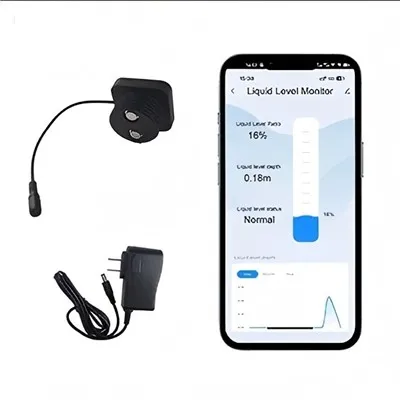
| Propane tank level monitoring | Measures how much propane is in the tank; warns when refilling is needed | Tank gauge; ultrasonic tank monitor (e.g., Mopeka) |
| Combined function | Both leak detection AND level monitoring in one device | Some advanced monitors offer both |
A propane tank gauge tells you when you need to order more propane. A propane leak detector tells you if your propane system is leaking right now. You need both for complete propane safety.
The Bottom Line: How to Detect a Propane Gas Leak
Propane leak detection is a multi-layered process that should include smell-based awareness, visual inspection, the soap bubble test, and electronic propane detectors. No single method is sufficient on its own. Together, these methods provide comprehensive protection against the fire, explosion, and health hazards of propane leaks.
Your propane leak detection toolkit:
| Method | Cost | Reliability | Best For |
|---|---|---|---|
| Smell (odorant) | Free | Moderate - odorant can fade | Initial awareness; daily living |
| Visual inspection | Free | Moderate - detects only large leaks | Monthly self-inspection |
| Soap bubble test | $2–$5 | High - finds exact leak location | Annual inspection; after system work |
| Electronic propane detector | $20–$100 | High - detects leaks at low concentrations | Continuous monitoring; inspection |
| Professional inspection | $100–$200/year | Highest - trained technician; pressure testing | Annual requirement |
Your propane safety action plan:
✅ Install propane + CO combination detectors (wired or plugin) in every area with propane appliances
✅ Use a portable electronic propane detector for annual system inspections
✅ Perform a soap bubble test of all connections at least once per year
✅ Test all propane detectors monthly using the test button
✅ Replace propane detectors every 5–7 years
✅ Schedule annual professional propane system inspections
✅ Know the smell of propane - and take any unusual smell seriously
✅ Have an emergency plan: evacuate, call from outside, do not re-enter
✅ Replace flexible propane hoses every 5–10 years
✅ Never ignore a propane detector alarm - always investigate
Propane is a safe, efficient fuel when handled properly - but propane leaks are serious. Make propane leak detection a regular part of your home and property maintenance routine.
Last updated: July 2026
Disclaimer: This guide provides general information about how to detect a propane gas leak for educational purposes. Propane leak detection is one component of overall propane safety. Always have propane systems professionally installed, maintained, and inspected by qualified propane technicians. In case of any suspected propane leak - whether detected by smell, sight, sound, or detector alarm - evacuate immediately, do not operate ignition sources, and contact your propane supplier or emergency services from a safe location. Do not attempt to repair propane leaks yourself. Regulatory requirements for propane systems and leak detection vary by jurisdiction - verify compliance with local codes and regulations.