Is It Safe to Leave a Tank Propane On All the Time? Complete Safety Guide for Home, RV, and Portable Propane Systems
In this guide: Whether it is safe to leave propane tanks on continuously, the risks and safety considerations for always-on propane systems in homes, RVs, and portable applications, what propane industry standards say, expert recommendations for leaving propane tanks open, leak detection best practices, and answers to the most commonly asked propane safety questions.
The Core Question: Can You Leave Propane On All the Time?
The short answer is yes-with the right equipment and proper safety practices, leaving a propane tank on continuously is standard practice in millions of homes, RVs, and commercial installations worldwide. But "safe" depends entirely on having the right components, performing regular maintenance, and following propane safety protocols that apply whether the tank is open or closed.
The longer answer: Propane is a hydrocarbon gas that is inherently flammable-and any fuel left open to a live appliance carries some level of risk. But propane is also one of the most heavily regulated fuels in the United States, with decades of safety engineering built into every tank, valve, connection, and appliance in the system. When all components are properly installed, maintained, and used, leaving propane on all the time is safe and common practice.
The question isn't really "is it safe?"-it's "what makes it safe?" And that's what this guide answers.
How Propane Systems Are Designed for Continuous Use
The Safety Layers in Modern Propane Systems
A modern propane system is not a single point of failure-it is a series of redundant safety layers, each designed to contain, detect, or prevent a leak or malfunction before it becomes dangerous.
The Core Safety Components
| Component | Safety Function | Always-On Compatible |
|---|---|---|
| Overfill Prevention Device (OPD) | Prevents tank from being overfilled; required on all DOT cylinders post-2002 | ✅ Yes |
| Pressure Relief Valve | Automatically vents propane if tank pressure exceeds safe limits (due to temperature) | ✅ Yes |
| Excess Flow Valve | Closes automatically if a connection breaks or a line ruptures | ✅ Yes |
| Tank Shut-Off Valve | Manual shut-off for emergencies and when tank is stored | ⚠️ Turn off when storing or unattended |
| Appliance Shut-Off Valve | Isolate individual appliances from the gas line | ✅ Yes |
| Regulator | Reduces tank pressure to safe appliance operating pressure | ✅ Yes |
| Flexible Gas Line | Connects tank to fixed gas line; designed for continuous use | ✅ Yes (if rated for it) |
| Leak Detection Solution | Soap-bubble test to verify connections | ✅ Periodic testing |
Every one of these components exists because propane systems are designed from the ground up for continuous operation. The pressure relief valve alone is a testament to this: it's designed to activate at a specific temperature-induced pressure threshold, not just during unusual conditions. Tanks left in hot sun need to vent safely, and the relief valve does this automatically.
What Propane Industry Standards Say
Both the National Fire Protection Association (NFPA 54, the National Fuel Gas Code) and the Propane Education & Research Council (PERC) explicitly address continuous propane use. Their guidance:
NFPA 54 Section 5.23: Approved gas appliances may be connected to gas supply systems and left operating continuously when installed in accordance with the code
PERC: Millions of propane appliances (water heaters, furnaces, fireplaces) are designed and approved for continuous operation; shutting off propane to these appliances every time they are not in use is not required by code and is not standard practice
RV manufacturers: The vast majority of RV propane systems are designed for continuous use while the RV is in use or stored with power connected to maintain temperature
The consensus from every major propane safety authority: When a system is properly installed, equipped with functioning safety devices, and maintained according to schedule, leaving propane on continuously is the standard, approved, and expected mode of operation.
Home Propane Tanks: Is It Safe to Leave Them On?
For residential above-ground propane tanks, leaving the tank valve open continuously is the standard operating procedure for households that use propane for heating, hot water, cooking, or appliances. Here is a detailed breakdown:
When It Is Safe to Leave Home Propane On
Leaving a residential propane tank on is safe when all of the following conditions are met:
| Condition | What It Means | Safety Impact |
|---|---|---|
| Tank has an OPD valve | Required on all DOT tanks; prevents overfill | ✅ Prevents dangerous overpressure |
| Pressure relief valve is functional | Visible on tank; should not have corrosion or damage | ✅ Tank can vent safely in extreme heat |
| Tank is properly grounded and bonded | Prevents static electricity buildup | ✅ Reduces ignition risk |
| Regulator is properly sized | Must match appliance load and tank size | ✅ Prevents regulator malfunction |
| All connections are leak-tested | Test with soap solution after any new connection | ✅ Catches leaks before they grow |
| No visible tank corrosion or damage | Annual visual inspection | ✅ Prevents catastrophic failure |
| Tank is in a well-ventilated area | Not enclosed in a sealed compartment | ✅ Gas disperses safely if small leak occurs |
| Appliance safety features are intact | Automatic shut-off on appliances | ✅ Shuts off gas if appliance fails |
If all these conditions are met, leaving a home propane tank on 24/7 is standard practice. Millions of rural homes heat with propane continuously for decades without incident.
When to Shut Off Home Propane
There are specific situations where shutting off the main tank valve is the correct and recommended action:
During a gas leak emergency: If you smell propane strongly, evacuate, shut off the tank valve from a safe distance, call your propane supplier
When leaving for extended travel (2+ weeks): Shut off the main valve; some homeowners also shut off individual appliance valves
When having work done on the gas system: Any work involving connections, regulators, or appliances requires shutting off gas
During severe weather conditions: Tornadoes, hurricanes, or flooding may damage the system
When the tank is low on fuel: Running a tank completely dry introduces air and moisture; shut off valves and arrange delivery
Propane Tank in the Sun: Is It Dangerous?
A propane tank sitting in direct sunlight is not dangerous-this is one of the most common propane safety misconceptions. Here is why:
Propane tanks are engineered to withstand direct sun exposure. The pressure relief valve is specifically designed to activate if internal pressure ever exceeds safe limits, regardless of cause. On the hottest day of the year, a properly maintained tank will not exceed its rated pressure because:
The tank is painted white or light-colored specifically to reflect heat
The pressure relief valve vents propane before dangerous pressure is reached
The maximum pressure a tank can reach from solar heating alone (in extreme conditions) is well below the relief valve activation threshold
Industry data: Propane tank relief valves are set to activate at approximately 250 PSI. Direct sun can raise tank pressure to approximately 100–150 PSI on the hottest days-even in direct Arizona summer sun. This is less than 60% of the relief valve activation pressure.
RV Propane Systems: Is It Safe to Leave Them On?
The RV propane safety question is more nuanced than the home propane question because RVs present different risk profiles: they move, they store in varied conditions, they have more complex systems, and they are occupied intermittently.
The Case for Leaving RV Propane On
Many RVers leave their propane on continuously, especially in the following scenarios:
| RV Situation | Leaving Propane On | Why |
|---|---|---|
| Full-time RVers | ✅ Recommended | Propane heats water, runs refrigerator in gas mode, provides heat; essential to daily life |
| Seasonal camping with power | ✅ Generally safe | Refrigerator stays running; tank heater prevents freeze in cold weather |
| Cold weather camping | ✅ Essential | Tank must be on for furnace, heating, propane accessories |
| Stored RV with pets inside | ⚠️ Conditional | Only if tank heater prevents propane freeze AND heater failure is monitored |
| Stored RV without power or monitoring | ❌ Not recommended | No way to detect a leak if the RV is unoccupied |
| Long-term storage (seasonal) | ❌ Not recommended | Shut off and secure the tank |
The Case Against Leaving RV Propane On in Storage
The primary risk of leaving propane on in an unattended stored RV is a slow leak-a small, undetected leak that could potentially create a dangerous gas buildup in an enclosed space.
The risk assessment:
A properly maintained propane system in an undamaged RV poses minimal leak risk
But a slow leak from a cracked line, failed connection, or damaged regulator will go undetected in an unoccupied RV
An enclosed storage bay with a slow propane leak can accumulate dangerous levels of propane
Propane is heavier than air and settles in low areas, making it more dangerous in enclosed spaces
Best practice for stored RVs: Shut off the main propane tank valve and all appliance valves before storage. Some owners also close the individualOPD valve on the tank itself for maximum security.
Propane Heaters and Continuous RV Use
For RVers who winter camp or store their RV in cold climates, propane tank heaters are commonly used-small heating elements wrapped around the tank to prevent propane from freezing in cold weather.
Tank heater safety considerations:
Propane tank heaters must be certified for use with propane
Follow the heater manufacturer's instructions regarding continuous operation
Some propane tank heaters require monitoring for proper function
Always maintain clearance around the tank for ventilation
Portable Propane Cylinders: Leaving Them On
Small portable propane cylinders (1 lb, 5 lb, 20 lb) present a different risk profile than large stationary tanks. Here is the safety guidance for portable cylinders:
When to Leave a Portable Propane Cylinder On
| Application | Leave On? | Notes |
|---|---|---|
| Outdoor camping stove (attended use) | ⚠️ Only while cooking | Never leave unattended while operating |
| Permanently mounted RV cylinder (in use) | ✅ Yes | Same rules as main RV propane system |
| Portable heater in ventilated space | ⚠️ Attended use only | Propane heaters require constant monitoring |
| Fish house or ice shanty heater | ⚠️ Monitored use only | Must have propane detector and ventilation |
| Grill (while grilling) | ⚠️ While cooking only | Turn off immediately after use |
| Emergency backup generator | ✅ Yes (if properly installed) | Standard practice for standby generators |
| Propane lantern | ⚠️ Attended use only | Never leave burning unattended |
Portable Cylinder Safety Rules
Never leave small portable propane cylinders on unattended unless:
The cylinder is properly secured in a well-ventilated space
All connections are verified leak-free
The appliance is certified for continuous operation
A propane gas detector is present
The cylinder is protected from physical damage and tampering
The Propane Leak Question: What Are the Real Risks?
The theoretical risk that concerns most homeowners is a propane leak. Understanding the actual risk helps put safety practices in proportion.
Propane Leak Properties
| Property | What It Means | Safety Implication |
|---|---|---|
| Propane is heavier than air | Leaked propane sinks and pools in low areas | Leaks in basements/indoor spaces are dangerous; outdoor leaks disperse safely |
| Propane has a strong odorant | Added mercaptan gives propane its distinctive smell | You can detect even small leaks by smell |
| Propane has a narrow flammability range | Only ignites at 2.1–10.1% concentration in air | Small outdoor leaks rarely reach this concentration |
| Propane requires an ignition source | Static, flame, spark | Without ignition, leaked propane disperses harmlessly |
| Propane dissipates quickly outdoors | Dilutes to safe levels rapidly | Outdoor leaks are far less dangerous than indoor leaks |
Outdoor Propane Leaks: Real Risk Assessment
An outdoor propane leak from a properly installed, undamaged tank is very low risk for the following reasons:
Propane disperses rapidly in open air
The strong mercaptan odor makes even small leaks detectable
An outdoor ignition source at the precise moment of high concentration is statistically unlikely
The pressure relief valve and excess flow valve limit the rate of any leak
Real incident data from NFPA and PERC: Propane-related incidents are extremely rare given the number of propane systems in operation. The majority of propane incidents involve indoor leaks, appliance malfunctions, or system modifications performed without professional installation.
Indoor Propane Leaks: Higher Risk Profile
Propane leaks inside homes, RVs, or enclosed spaces are significantly more dangerous because:
Propane accumulates in low areas (basements, crawl spaces, under floors)
Indoor ignition sources (water heater pilot light, furnace, electrical switch) are present
Propane concentration can reach flammable levels more easily in enclosed spaces
Safety requirement: Every indoor propane appliance and enclosed-space propane installation requires a propane gas detector. This is not optional-it is required by code in most jurisdictions.
Propane Safety Best Practices for Continuous Use
These are the propane industry-recommended practices for safely leaving propane systems running continuously:
Daily/Weekly Safety Habits
| Practice | Frequency | What to Look For |
|---|---|---|
| Smell test | Every time you approach the tank | Any propane odor near the tank, connections, or appliances |
| Visual inspection | Weekly | Physical damage, corrosion, rust, dents on the tank |
| Connection inspection | Monthly | Loose connections, worn flexible lines, damaged fittings |
| Soap bubble leak test | After any connection work or annually | Bubbles at any connection indicate a leak |
| Regulator inspection | Annually | Signs of moisture damage, corrosion, or physical damage |
Annual Professional Service
Every propane system should receive professional service at least once per year:
Propane supplier inspection: Leak test the entire system, inspect the tank and all components
Regulator replacement: Propane regulators should be replaced every 10–15 years regardless of appearance
Flexible gas line replacement: Replace flexible gas lines every 10 years (check the label on the line)
Tank inspection: Professional visual and pressure inspection; check the tank's relief valve
Appliance servicing: Have all propane appliances (furnace, water heater, stove) serviced annually
Essential Safety Equipment
| Equipment | Purpose | Required? |
|---|---|---|
| Propane gas detector (indoor) | Detects propane concentration; sounds alarm | ✅ Required by code in most areas |
| Carbon monoxide detector | Detects CO from incomplete propane combustion | ✅ Required by code |
| Fire extinguisher (ABC rated) | General fire suppression | ✅ Strongly recommended |
| Soap solution or leak detection fluid | Manual leak testing | ✅ Recommended |
| Propane tank cover | Protects tank from UV and weather damage | Recommended |
Frequently Asked Questions
Q1: Is it safe to leave propane on all night while sleeping?
Yes-if your propane system is properly installed, maintained, and equipped with functioning safety devices. Millions of households leave propane on every night: furnaces run continuously, water heaters stay lit, gas fireplaces stay in pilot mode, and RVs keep their propane systems live. As long as you have a working propane detector and carbon monoxide detector, and your system has been professionally installed and maintained, leaving propane on overnight is standard and safe practice.
The key caveat: a propane detector is not optional for any indoor propane use. If you don't have one, install one immediately-it's the single most important safety device for continuous propane use.
Q2: Can a propane tank explode if left on in the sun?
No-a properly maintained propane tank will not explode from sun exposure. Propane tanks are engineered with pressure relief valves that activate at approximately 250 PSI. Even on the hottest days in direct sun, a tank's internal pressure reaches approximately 100–150 PSI-well below the relief valve threshold. The relief valve vents propane safely before dangerous pressure is reached.
What CAN cause a tank explosion:
Severe physical impact that compromises tank integrity
Fire exposure from an external source
Corrosion that weakens the tank wall
Improper repairs or modifications
Intentional tampering
A tank sitting peacefully in the sun-even on a 110°F day-is not at risk of explosion from pressure alone.
Q3: Should I turn my propane tank off when I'm away on vacation?
For extended absences (2 weeks or more), yes-turn off the main tank valve. This is a prudent safety measure that removes the live gas supply from your home while you're not there to monitor the system. For short absences (a few days), leaving propane on is generally fine if your system has been recently inspected and you have functioning leak detectors.
For RVs in storage, shut off propane even for short periods. A stored RV should always have the propane off unless the RV is occupied and actively monitored.
Q4: How do I know if my propane system is leaking?
The primary detection methods are smell and sound:
Smell: Propane has an added mercaptan odorant that smells like rotten eggs, sulfur, or a skunk-like smell. If you smell propane near your tank, connections, or appliances, treat it as a potential leak.
Sound: A propane leak may produce a hissing sound near the leak point-particularly around connections and valves.
Soap bubble test: Apply a soap solution to all connections and valves. If bubbles form, there's a leak.
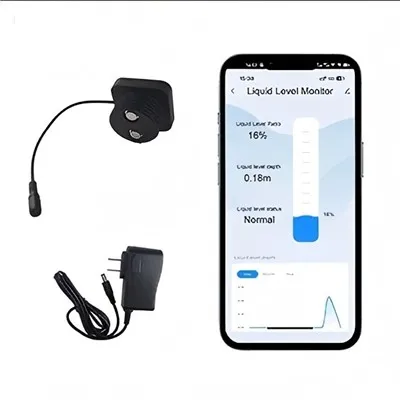
Propane detector: An electronic propane detector sounds an alarm before gas concentrations reach dangerous levels.
If you smell propane strongly: Do not operate electrical switches or appliances. Evacuate the area. Shut off the tank valve from a safe distance if possible. Call your propane supplier or emergency services from outside.
Q5: How often should a propane tank be professionally inspected?
At least once per year by your propane supplier. Annual inspections include:
Pressure testing the entire system
Inspecting all connections and valves
Checking the pressure relief valve function
Verifying regulator operation
Inspecting the tank exterior for corrosion, damage, and rust
Checking tank grounding and bonding
Additional milestones:
When moving into a new property with a propane system
After any work is performed on the system
When purchasing a used propane tank
When replacing any system component (regulator, gas line, valve)
Q6: Does leaving propane on cause the tank to run out faster?
No-leaving propane on does not affect consumption rate. Propane is only consumed when a burner, furnace, or appliance is actively using it. The propane in the tank is not "leaking" or evaporating simply because the tank valve is open. A closed valve vs. an open valve doesn't change how much propane your appliances use.
The only scenario where the valve position matters for consumption: If a burner is left accidentally on (a pilot light going out, a stove burner left open), the propane consumed is the same whether the tank valve is open or closed-but with the valve closed, the leak would be limited. This is why turning off individual appliance valves is recommended when appliances are not in use.
Q7: What temperature is dangerous for propane tanks?
Propane tank temperature limits are engineered into the safety systems, but extreme temperatures create risk conditions:
| Temperature Condition | Risk | Tank Protection |
|---|---|---|
| Above 120°F (49°C) | Pressure rises significantly | Relief valve protects up to ~250 PSI |
| Below -44°F (-42°C) | Propane stops vaporizing | Tank freezes; appliances stop working |
| Rapid heating (fire exposure) | Catastrophic overpressure | Relief valve; may not be sufficient in direct fire |
| Below freezing (0°F) | Refrigerant may condense; delivery slows | Use tank heater in cold climates |
The practical takeaway: On a scorching summer day, your tank is designed to handle it. On the coldest winter night, your tank is designed to handle it. The danger zone is external fire or physical damage-not ambient temperature alone.
Bottom Line: Safe Propane Use Is About Systems, Not Single Practices
Leaving propane on all the time is safe when your propane system is properly designed, installed, equipped with functioning safety devices, and maintained on schedule. It is not safe when components are missing, damaged, or improperly installed.
The safety hierarchy for continuous propane use:
Install and maintain a propane gas detector (indoor installations): This is non-negotiable
Maintain all safety devices: Pressure relief valve, OPD, excess flow valve must be functional
Conduct regular leak testing: Soap bubble test at least annually and after any work on the system
Schedule annual professional inspections: Your propane supplier should pressure-test the system annually
Replace aging components on schedule: Regulators every 10–15 years, flexible gas lines every 10 years
Know when to shut off: Extended absences, storage, emergency situations, and system work
The propane industry operates millions of systems that run continuously, 24/7, for decades without incident. Your home furnace, water heater, and gas fireplace are running on propane right now-probably while you sleep. Propane is safe when the system is right.
Make the system right, maintain it consistently, and leave the propane on.
Last updated: July 2026
Disclaimer: This guide provides general information about propane safety and continuous propane tank use for educational purposes. Propane safety requirements vary by jurisdiction, installation type, and local code. Always consult a licensed propane gas professional for system installation, modification, and inspection. If you smell propane, evacuate the area immediately and contact your propane supplier or emergency services. Follow all manufacturer guidelines for your specific propane system, tank, and appliances. This guide does not replace professional propane system inspection and certification.