Low Flow When Cold: Why Your Propane System Slows Down in Winter and What to Do About It
In this guide: Everything you need to know about propane low flow in cold weather - covering causes, diagnosis, solutions, regulator freeze, tank issues, and the complete FAQ for 2026.
Low Flow When Cold: Quick Answer
Low propane flow in cold weather is one of the most common propane system problems - and it has several possible causes, ranging from normal pressure changes to serious regulator freeze and tank ice buildup. In cold weather, propane vapor pressure drops in the tank and the system, which can reduce flow to appliances. More seriously, moisture in the propane or tank can cause ice buildup at the regulator or in the service valve, restricting flow. Propane itself does not freeze - but the water and oil that sometimes contaminate propane do freeze, creating blockages. The fix depends on the cause: normal cold-weather pressure drops are expected and harmless; regulator ice requires system inspection and possibly a heater kit or replacement regulator; contaminated propane requires the supplier to flush the system. If you experience low flow in cold weather, do not ignore it - restricted flow increases pressure in the system, which can damage appliances or create safety hazards. Understanding why propane flow slows in cold weather helps you diagnose the problem correctly and avoid unnecessary service calls.
Why Propane Flow Changes in Cold Weather
The Physics of Propane in Winter
Propane system behavior changes significantly in cold weather due to the physical properties of propane and the design of propane system components:
Propane cold weather behavior:
| Factor | What Happens in Cold Weather | Impact on Flow |
|---|---|---|
| Propane vapor pressure | Drops as temperature decreases - a tank at 0°F has significantly lower pressure than at 70°F | Reduced pressure = reduced flow to appliances |
| Tank temperature gradient | Propane vaporizes from the liquid surface; cold tank = slower vaporization | Slower vaporization = lower available pressure |
| Two-stage regulation | First stage (tank-mounted) drops tank pressure to 10 psi; second stage (inlet) drops to 11 inches wc | Both stages affected by cold |
| First-stage regulator icing | Moisture in propane freezes at regulator, restricting flow | Blockage rather than normal pressure change |
| Regulator heat generation | Regulators work harder in cold, generating less heat | Can cause freeze-up at lower temperatures |
| Tank liquid level | Partially empty tank in cold = more surface area for vapor loss | Lower apparent pressure in partially full tanks |
| NGK (no grease ok) valves | Some tank valves have moisture-trapping designs that freeze in extreme cold | Restricts flow at tank valve |
Understanding propane vapor pressure in cold: At 70°F, propane vapor pressure is approximately 125 psi in the tank. At 40°F, it drops to approximately 75 psi. At 0°F, it drops to approximately 35 psi. At -20°F, it drops to approximately 15 psi. This drop in pressure is normal - your propane appliances are designed to operate at pressures down to approximately 11 inches water column (approximately 0.4 psi), which is far below tank vapor pressure. A pressure drop from 125 psi to 35 psi still provides more than enough pressure for your appliances to operate normally. However, when tank vapor pressure drops to the point where the first-stage regulator cannot maintain its output pressure (typically below 20 psi at the tank), appliances will begin to experience low flow symptoms.
Causes of Low Propane Flow in Cold Weather
Why Your Propane System Slows Down When It Gets Cold
Low propane flow in cold weather has several distinct causes, each with different solutions:
Causes of low propane flow in cold weather:
| Cause | What It Is | Symptoms | Severity | Solution |
|---|---|---|---|---|
| Normal cold-weather pressure drop | Propane vapor pressure decreases with temperature - expected behavior | Reduced flame height; slight performance drop | Low - normal | No action needed; system compensates |
| First-stage regulator icing | Moisture in propane freezes at the first-stage regulator (tank-mounted) | Sudden flow loss; regulator hissing; visible ice on regulator | High - fix promptly | Install regulator heater kit; contact supplier about moisture in propane |
| Second-stage regulator icing | Moisture freezes at the second-stage regulator (house-side) | Similar to first-stage; affects all appliances | High - fix promptly | Install regulator heater kit; inspect for moisture |
| Tank valve icing | Moisture collects at tank valve and freezes in extreme cold | Flow stops entirely at very low temperatures | High - fix promptly | Apply heat to valve area; consider tank valve replacement |
| Propane contamination (water in tank) | Water enters tank during filling; freezes in cold weather | Persistent low flow; does not improve as temperature rises | High - fix immediately | Contact supplier; tank may need draining and cleaning |
| Oil contamination in propane | Compressor oil from supplier system; collects at low points | Slow flow; black residue; appliance performance issues | Moderate - fix soon | Contact supplier; request clean propane |
| Low tank level in winter | Partially empty tank + cold temperatures = insufficient vaporization | Flow stops at low temperatures; improves when tank warms | Moderate | Fill tank before cold snaps |
| Frozen condensate in gas line | Moisture in underground gas line freezes | Reduced flow to distant appliances | Moderate | Thaw line with heat tape; prevent future freezing |
| Oversized demand | Multiple appliances running simultaneously in very cold weather | Weak flow to all appliances; pressure drops under load | Low | Stagger appliance use; consider system upgrade |
| Regulator malfunction | Cold damages regulator diaphragm or spring | Persistent low flow regardless of temperature | High | Replace regulator |
Regulator Freeze: The Most Common Cause of Low Flow in Cold
Why Propane Regulators Freeze and How to Fix It
Propane regulator freeze - also called regulator icing - is the most common cause of significant low flow problems in cold weather:
Propane regulator freeze explained:
| Factor | Details |
|---|---|
| What is regulator freeze? | Ice forms on or inside the propane regulator, restricting or blocking gas flow |
| What causes it? | Moisture in the propane supply (from the tank, filling process, or supplier system) |
| Why does it happen in cold? | Propane expands and absorbs heat as it passes through the regulator - the same effect that makes CO₂ fire extinguishers cold. This rapid cooling freezes any moisture present |
| How much ice forms? | From a thin frost layer to complete ice blockage - depending on moisture level |
| Is it dangerous? | Yes - restricted flow causes pressure to build upstream, which can damage appliances or connections |
| Is it covered by warranty? | Usually not - moisture contamination is considered a fuel quality issue, not a regulator defect |
| How do you fix it? | Remove ice by applying warm water (not direct flame); install regulator heater kit; address root cause (moisture in propane) |
How to fix a frozen propane regulator:
| Step | Action | Details |
|---|---|---|
| 1. Shut off propane at the tank | Turn the tank valve fully clockwise | Prevents further pressure buildup |
| 2. Identify the frozen regulator | First-stage regulator is on top of the tank; second-stage is near the house | Look for frost, ice, or condensation |
| 3. Apply warm water (not flame) | Soak a cloth in warm water and wrap the regulator; or pour warm water over the regulator | Never use a torch or open flame - explosion risk |
| 4. Allow to thaw fully | 15–30 minutes for ice to melt completely | Check that ice is gone, not just the surface |
| 5. Relight appliances | Restore gas supply; relight pilot lights | Watch for恢复正常 flow |
| 6. Install a regulator heater kit | Prevents future freeze-ups | Strongly recommended if freeze-up recurs |
| 7. Contact your supplier | Report the freeze-up; ask about moisture in your recent propane delivery | Moisture may be coming from the supplier's system |
Regulator heater kit options:
| Heater Type | How It Works | Installation | Cost | Effectiveness |
|---|---|---|---|---|
| Electric regulator heater | 120V electric heater wrap on regulator | Installs around regulator; requires nearby outlet | $40–$100 | Very effective; requires power |
| Propane-fired heater | Small propane flame heats regulator (thermoelectric) | No electricity needed; uses small amount of propane | $80–$150 | Effective; more complex installation |
| Heat tape + insulation wrap | Electrical heat tape + insulated cover | Wraps around regulator; requires power | $30–$60 | Moderate effectiveness; DIY-friendly |
| Anti-icing additive (system treatment) | Adds to propane to reduce moisture issues | Added to tank by supplier | Varies | Helps prevent future freeze-ups |
Moisture in Propane: The Root Cause of Most Regulator Freeze
Why Water Gets Into Propane Tanks
Moisture in propane tanks is the root cause of most regulator freeze problems - and it can enter through several pathways:
How moisture enters propane tanks:
| Source | How It Happens | Prevention |
|---|---|---|
| Filling station moisture | Water in the delivery truck's tank or filling station equipment | Choose reputable suppliers |
| Tank condensation | Empty or partially empty tank in humid conditions; moisture condenses on tank walls | Keep tank at least 30% full in humid seasons |
| Underground tank leakage | Underground tank seam leaks allow groundwater to enter | Inspect underground tanks annually |
| Filling process | Water in the delivery hose or coupler during filling | Use dry couplers; choose suppliers with dry equipment |
| Supplier system contamination | Moisture in the supplier's bulk storage tanks | Report recurring freeze-ups; consider switching suppliers |
| Old tank | Older tanks with corrosion or seam issues leak moisture | Inspect and replace aging tanks |
Low Tank Level in Cold Weather
Why Partially Empty Tanks Cause Winter Flow Problems
A propane tank that is too low going into cold weather is one of the most preventable causes of low flow problems:
Low tank level and cold weather flow:
| Tank Level | Cold Weather Risk | What Happens |
|---|---|---|
| Below 20% | High risk | Tank surface area exposed to cold is maximized; vaporization slows dramatically |
| Below 10% | Very high risk | Almost no liquid surface remains; vaporization essentially stops in extreme cold |
| At 0% | Tank empty | System draws in air; requires purging before refilling |
| Above 30% | Low risk | Sufficient liquid surface for normal vaporization even in very cold weather |
The cold tank surface area problem: In a partially full tank, the propane liquid is exposed to the cold tank walls over a large surface area. This causes rapid cooling of the liquid surface, which slows vaporization. In a very cold tank (below 20°F), the propane at the liquid surface can become so cold that it has difficulty vaporizing, even though the tank still contains hundreds of gallons of liquid. The solution is simple: keep your tank above 30% before winter, and fill it before major cold snaps.
Diagnosing Low Flow: Appliance-by-Appliance
How to Identify Where the Problem Is
Testing each appliance individually helps identify where the flow restriction is located:
Appliance-by-appliance diagnosis:
| Test | What to Check | If This Appliance Has Normal Flow | If This Appliance Also Has Low Flow |
|---|---|---|---|
| Test water heater | Turn on hot water tap; observe flame height | Problem is not at this appliance | Restriction is upstream of this appliance |
| Test furnace | Turn furnace on; observe flame and heating speed | Normal at furnace | Restriction is at or before furnace gas valve |
| Test cooktop | Turn on one burner; observe flame | Normal at cooktop | Restriction is upstream |
| Test dryer | Turn dryer on; observe flame | Normal at dryer | Restriction is upstream |
| Test at the regulator | Check pressure at regulator test port with gauge | Gauge reads normal (10–12 psi first stage) | Restriction is at or before regulator |
| Test at the tank valve | Check flow by briefly opening tank valve fully | Flow improves | Restriction is at tank valve |
When to Call a Propane Professional
Do-It-Yourself vs. Professional Repair
Some low-flow issues are DIY fixes; others require a licensed propane technician:
| Issue | DIY or Professional? | Why |
|---|---|---|
| Normal cold-weather pressure drop | DIY - no action needed | Expected behavior; no fix needed |
| Light frost on regulator (minor ice) | DIY - warm water thaw | Safe and simple |
| Heavy ice on regulator | Professional | Potential for further system damage if done incorrectly |
| All appliances have low flow simultaneously | Professional | Indicates system-level restriction |
| Visible moisture or debris in gas line | Professional | Contamination requires system flush |
| Tank valve icing | Professional | May require valve replacement |
| Suspected propane contamination | Professional + contact supplier | Supplier must address fuel quality |
| Regulator replacement needed | Professional | Requires licensed technician; safety critical |
| Low tank level causing flow issues | DIY - fill tank | Simply adding propane fixes the problem |
Frequently Asked Questions
Q1: Why does propane flow slow down in cold weather?
Propane flow slows in cold weather for two main reasons: a normal physics-based drop in propane vapor pressure as temperature decreases (completely expected and harmless), and regulator freeze caused by moisture in the propane freezing as it expands through the regulator (a real problem that requires fixing). At 0°F, propane vapor pressure is roughly 35 psi compared to 125 psi at 70°F - still more than enough for your appliances, which operate at 11 inches water column (approximately 0.4 psi). The normal pressure drop is not dangerous and your appliances should operate normally in cold weather. However, if the pressure drop is severe (tank is very low, or extremely cold), or if moisture in the propane freezes at the regulator, genuine flow restrictions occur that affect appliance performance. If you experience persistent low flow in cold weather that does not improve as temperatures moderate, or if you hear hissing from the regulator, the most likely cause is regulator icing from moisture contamination - and you should contact your propane supplier to address the moisture issue and a technician to install a regulator heater kit.
Q2: Can propane regulators freeze?
Yes - propane regulators can freeze, and it is one of the most common causes of propane flow problems in winter. Regulator freeze occurs when moisture in the propane supply freezes as the propane expands and cools while passing through the regulator. The rapid cooling of propane as it expands through the regulator (similar to how a CO₂ fire extinguisher gets cold when discharged) can drop the temperature at the regulator to well below freezing, freezing any water that is present in the propane. This ice can partially or completely block the regulator, restricting gas flow to all appliances. Regulator freeze is most common in temperatures below 40°F and is more likely when propane contains higher moisture content. Installing a regulator heater kit (an electric or thermoelectric heating element around the regulator) is the most effective prevention. If your regulator freezes, apply warm water to thaw it (never use a torch), contact your supplier to address the moisture in your propane, and install a heater kit to prevent recurrence.
Q3: What should I do if my propane runs out in cold weather?
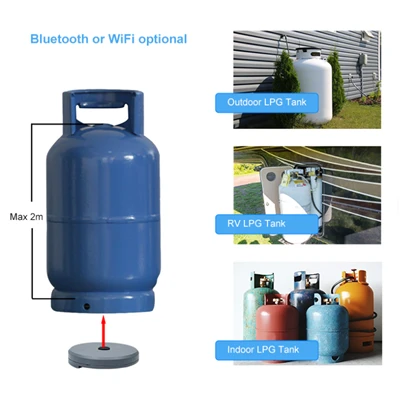
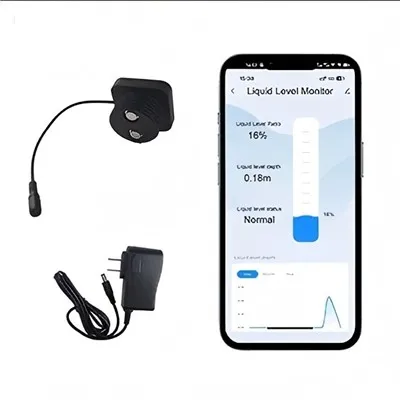
If your propane runs out in cold weather, do not attempt to use propane appliances until the tank has been refilled and the system has been purged. When a propane tank runs completely empty, air and moisture enter the system, contaminating the propane. Using contaminated propane in your appliances is dangerous and can damage your system. Contact your propane supplier immediately for emergency delivery - expect an emergency delivery surcharge of $50–$150. Your supplier will need to perform a system purge ($100–$300) before refilling, which removes the air-moisture mixture and restores clean propane flow. Once refilled and purged, have a technician relight all pilot lights and check each appliance for safe operation. To prevent running out in cold weather, keep your tank above 30% before winter, install a wireless tank monitor with low-level alerts, fill the tank before major cold snaps, and schedule regular deliveries rather than waiting until the tank is critically low.
Q4: Is low flow in cold weather dangerous?
Low flow in cold weather can be dangerous if it indicates a serious restriction in the propane system - because a restriction causes pressure to build upstream, which can stress tank valves, regulators, gas lines, and appliance connections. The specific danger depends on the cause: normal cold-weather pressure drops are not dangerous; regulator icing from moisture can cause upstream pressure buildup that damages appliances or connections; a partially restricted gas line from ice or debris can cause irregular combustion, which produces more carbon monoxide; and severe restriction can cause appliances to lock out safely (most modern propane appliances have safety shutoffs that prevent operation at insufficient pressure). The safest approach is to treat any persistent low flow in cold weather as a problem that needs diagnosis - do not simply wait for the weather to warm up. If your propane system has low flow, shut off the gas at the tank, contact your propane supplier for inspection, and do not use propane appliances until the system has been checked.
Q5: How do I prevent low propane flow in cold weather?
You can prevent low propane flow in cold weather through several preventive measures: keep your tank above 30% before winter - this is the single most important prevention step, as a tank above 30% has sufficient liquid surface area for normal vaporization even in very cold temperatures; install a regulator heater kit before winter - this prevents moisture freeze-up at the regulator, the most common cause of significant low-flow problems; choose a reputable propane supplier and report any recurring regulator freeze-ups, as this may indicate moisture contamination in their supply; install a wireless tank monitor with alerts at 25% tank level - this ensures you never run low going into a cold snap; avoid filling your tank on humid days when possible - moisture can enter during the filling process; and have your system inspected annually before heating season - a professional can identify and address issues before they cause winter problems. Prevention costs far less than emergency service calls and avoids the discomfort and safety risks of losing propane heat in cold weather.
The Bottom Line
Low propane flow in cold weather ranges from completely normal (a harmless drop in vapor pressure as temperature falls) to serious (moisture freeze at the regulator, contamination, or a nearly empty tank). The most important thing to know is whether your low flow is normal or a real problem: normal cold-weather flow reduction affects performance slightly and resolves as temperatures moderate; real flow problems persist regardless of temperature and get progressively worse. The most common real cause of cold-weather low flow is regulator icing from moisture in the propane supply - address this by installing a regulator heater kit, contacting your supplier to address moisture contamination, and keeping your tank above 30% at all times. Keep your tank filled before winter, report any regulator freeze-ups to your supplier, install a regulator heater kit if you have had freeze problems in the past, and call a professional if multiple appliances are affected simultaneously. A well-maintained propane system handles cold weather without significant flow issues - and the key to that is keeping moisture out of the system, keeping the tank filled, and treating any persistent low flow as a problem that needs professional diagnosis.
Last updated: July 2026
Disclaimer: This guide provides general information about propane low flow in cold weather for educational purposes. Propane system issues vary by installation, equipment, and fuel quality. Always consult a licensed propane technician for propane system diagnosis and repair. If you suspect a gas leak, evacuate immediately and call 911. This guide is not affiliated with, endorsed by, or sponsored by any propane equipment manufacturer.