Propane in Cold Weather: The Complete Homeowner's Guide
In this guide: Everything you need to know about propane in cold weather - covering pressure changes, tank performance, appliance operation, safety tips, winter management, and the complete FAQ for 2026.
Propane in Cold Weather: Quick Answer
Propane in cold weather behaves differently than in warm weather - and understanding these differences is what separates confident propane users from anxious ones. Cold weather causes propane vapor pressure to drop significantly (from ~125 psi at 70°F to ~35 psi at 0°F), which reduces appliance performance but does not create danger. The lower pressure means smaller flames, longer heating times, and more frequent tank monitoring - but it does not mean propane stops working. What cold weather does not do is damage your tank, your fuel, or your appliances. The real challenges of propane in cold weather are practical: keeping your tank above 50% full (the single most important cold-weather practice), managing reduced appliance performance through proper tank warming and extended preheat times, preventing regulator freeze (which is caused by moisture from laying the tank on its side - not by cold itself), and monitoring tank levels more frequently because consumption increases significantly in heating season. This guide covers every aspect of propane in cold weather - from the science of vapor pressure to the daily practices that keep your home warm and safe all winter.
How Cold Weather Affects Propane: The Science
Understanding Why Cold Changes Propane Behavior
Propane in cold weather behaves differently because of the physics of vaporization - and this is normal and predictable:
Propane pressure by temperature:
| Temperature | Vapor Pressure (psi) | Relative to 70°F Baseline | Appliance Performance |
|---|---|---|---|
| 70°F (21°C) | ~125 psi | 100% (baseline) | Full performance |
| 50°F (10°C) | ~90 psi | 72% | Nearly full performance |
| 40°F (4°C) | ~75 psi | 60% | Slightly reduced |
| 30°F (-1°C) | ~65 psi | 52% | Noticeably reduced |
| 20°F (-7°C) | ~48 psi | 38% | Significantly reduced |
| 10°F (-12°C) | ~40 psi | 32% | Appliances work harder |
| 0°F (-18°C) | ~35 psi | 28% | Near lower performance limit |
| -10°F (-23°C) | ~30 psi | 24% | May not sustain full flame |
The physics at play: Propane is stored as a liquid under pressure inside your tank. It converts to vapor at the liquid's surface, and this vapor is what flows through your gas line to your appliances. Warmer temperatures generate more vapor pressure, which pushes more gas through the line. Colder temperatures generate less vapor pressure, which means less gas flow. This is not a malfunction - it is the normal physics of any pressurized gas. A tank at 70°F with 100 psi of pressure and a tank at 20°F with 48 psi of pressure both contain the same amount of propane; they are simply producing different amounts of vapor because of temperature.
What Cold Weather Does to Propane Tanks
Beyond Pressure: The Real Effects of Winter on Tanks
Cold weather affects propane tanks in several ways - some visible, some invisible, most harmless:
Cold weather effects on propane tanks:
| Effect | What Happens | Concern Level | What to Do |
|---|---|---|---|
| Reduced vapor pressure | Tank produces less gas flow | Low - normal physics | Keep tank above 50% full |
| Slower vaporization | Cold liquid converts to gas more slowly | Low - normal | Full tank compensates |
| Gauge reading drops | Pressure drops even if fuel level is unchanged | None - normal | Gauge reads pressure, not volume |
| Metal contraction | Tank body contracts slightly in extreme cold | None - within design spec | No action needed |
| Bottom corrosion (if grounded) | Snowmelt and standing water accelerate rust | Moderate - prevent with elevation | Store on raised surface |
| Coating degradation (freeze-thaw) | Paint and coating crack with freeze-thaw cycles | Moderate - cosmetic and structural | Inspect and touch up in spring |
| Delivery access blocked | Snow and ice prevent delivery truck access | Moderate - operational | Keep path clear from road |
| Relief valve function | Relief valve operates normally in cold | None - rated to -40°F | Keep valve unobstructed |
Propane Appliance Performance in Cold Weather
What to Expect From Your Furnace, Water Heater, and Grill
Every propane appliance performs differently in cold weather - knowing what to expect prevents unnecessary service calls:
Propane appliance cold weather performance:
| Appliance | Cold Weather Effect | Severity | Mitigation |
|---|---|---|---|
| Propane furnace | Runs longer to reach thermostat setpoint | Moderate | Keep tank full; annual inspection before heating season |
| Propane water heater | Longer recovery time between showers | Low | Program for off-peak recovery; insulate pipes |
| Propane range/oven | Minimal performance change for baking/boiling | Very low | Preheat oven slightly longer |
| Propane grill | Significant performance drop (smaller flames) | High | Warm cylinder indoors 1–2 hours; extend preheat |
| Propane fireplace | May have trouble lighting or sustaining flame | Moderate | Keep tank above 50%; have regulator inspected |
| Propane patio heater | Reduced heat output; may not reach comfortable warmth | Moderate | Warm cylinder; position near shelter |
| Propane dryer | Minimal performance change | Very low | No adjustment needed |
| Propane generators | Increased fuel consumption; may struggle in extreme cold | High | Keep tank full; use cold-weather fuel additive |
The Most Important Cold Weather Propane Practice: Keep the Tank Full
Why Fill Level Matters More Than Anything Else
Keeping your propane tank above 50% full entering and throughout cold weather is the single most important thing you can do for winter propane reliability:
Why tank fill level matters in cold weather:
| Fill Level | Liquid Surface Area in Tank | Cold Weather Performance | Risk Level |
|---|---|---|---|
| 80–85% full | Small | Excellent - near-normal pressure | Very low |
| 50–60% full | Moderate | Adequate - most appliances work normally | Low |
| 30–40% full | Large | Poor - reduced flame and heat output | Moderate |
| Below 25% full | Very large | Critical - pressure near minimum; appliances fail | High |
The liquid surface area effect explained: Propane converts from liquid to vapor at the liquid's surface inside the tank. A full tank has propane covering most of the internal tank walls, with only a small vapor space at the top - the liquid is well-insulated by surrounding propane. A half-empty tank has a large liquid surface exposed directly to the cold tank shell, so the liquid near the walls cools rapidly and generates far less vapor. This is why a 30% full tank in 20°F weather may barely sustain a furnace flame, while an 80% full tank at the same temperature works fine. The solution is simple: never let your tank drop below 50% in cold weather, and fill to 80–85% before the first hard freeze of the season.
Regulating Propane Pressure in Cold Weather
Preventing and Managing Pressure Problems
Pressure management is the core challenge of propane in cold weather - and most problems are preventable:
Cold weather propane pressure management:
| Problem | Symptom | Root Cause | Solution |
|---|---|---|---|
| Low pressure at appliance | Small flames; furnace runs constantly; dryer takes longer | Cold tank; partially empty tank | Keep above 50% full; warm cylinder |
| Regulator freeze | No gas flow at all; tank feels heavy but no gas | Moisture in propane freezing in regulator | Never lay tank on its side; use dry-fuel supplier |
| Intermittent pressure | Flame flickers; appliance shuts off randomly | Partially frozen regulator or fluctuating vaporization | Warm tank; have regulator inspected |
| Relief valve releasing gas | Hissing sound; propane smell outside | Overfilled tank warming up | Never overfill beyond 80–85% |
| No pressure from full tank | Gauge reads full; tank is heavy; no gas flows | Regulator failure or frozen moisture in regulator | Warm tank; test regulator; contact supplier |
| Pressure drops overnight | High pressure in morning; low by evening | Normal temperature cycle | Normal; compare to actual temperature change |
Carbon Monoxide Safety: The Hidden Danger of Propane in Cold Weather
Why Winter Makes CO Monitoring Critical
Carbon monoxide (CO) safety becomes the most important propane safety concern in cold weather - because closed windows and doors prevent the natural ventilation that normally disperses combustion byproducts:
CO risk factors in propane-equipped homes during cold weather:
| Risk Factor | Why It Is Worse in Winter | Prevention |
|---|---|---|
| Windows and doors closed | No fresh air exchange; CO accumulates indoors | Crack one window slightly when running propane appliances |
| Appliances run longer | More runtime = more opportunity for combustion problems | Annual professional inspection before heating season |
| Blocked exterior vents | Snow and ice block furnace and water heater vents | Inspect and clear vents after every winter storm |
| Chimney and flue blockage | Ice and snow obstruct proper venting | Inspect before heating season; check after major storms |
| Sealed living spaces | Newer homes are more airtight; less air infiltration | Ensure mechanical ventilation is working |
| Power outages | Some propane appliances have electric components | Know which appliances need electricity; have backup plan |
The CO and propane relationship: Propane appliances that are properly maintained, properly sized for the space, and properly vented produce carbon dioxide and water vapor - not carbon monoxide. Carbon monoxide is produced when combustion is incomplete, which occurs when there is not enough oxygen for the flame (blocked vent) or when the flame is disturbed (malfunctioning burner, cracked heat exchanger). Annual professional inspection of all propane appliances before heating season is the single most effective CO prevention measure available.
Managing Propane Deliveries in Cold Weather
Never Letting Your Tank Run Low in Winter
Cold weather propane management requires more frequent monitoring and earlier refill scheduling than any other season:
Cold weather propane delivery management:
| Practice | Why It Matters in Winter | How to Execute |
|---|---|---|
| Monitor gauge weekly | Consumption doubles or triples in heating season | Check every 7 days; log levels |
| Refill at 30–40% | Never wait until 20% - emergency fills cost more | Set reminder when reaching 40% |
| Fill before first hard freeze | Full tank entering winter performs dramatically better | Schedule fill in September or October |
| Keep delivery path clear | Snow blocks delivery truck access to tank | Clear path from road to tank after each storm |
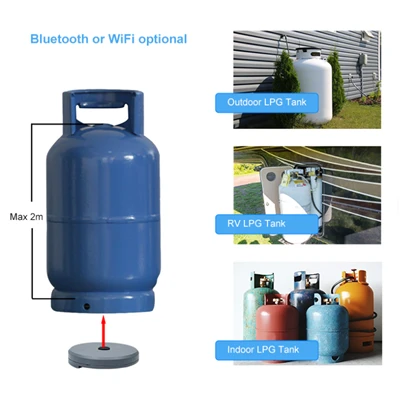
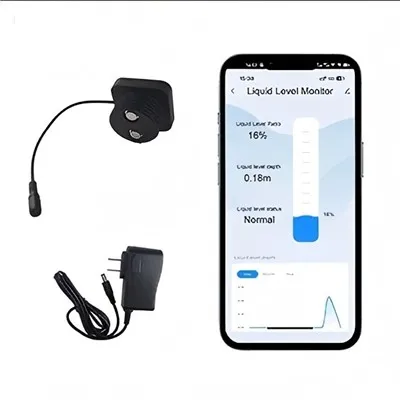
| Consider wireless tank monitor | Sends alerts when level drops; eliminates guesswork | $50–$150 investment; worth every penny in winter |
| Know your consumption rate | Track gallons used per heating season | Compare to prior years; plan deliveries accordingly |
| Budget for higher consumption | Heating season uses significantly more propane | Anticipate 2–3x normal monthly consumption |
Propane Tank Winter Preparation Checklist
Getting Your System Ready Before Cold Arrives
Preparing your propane system for winter before cold weather arrives prevents emergency situations in the coldest weeks of the year:
Pre-winter propane tank preparation checklist:
| Task | Best Time | Details |
|---|---|---|
| Fill tank to 80–85% | September–October | Full tank entering winter is critical |
| Professional system inspection | September–October | Licensed propane technician; checks everything |
| Inspect tank coating | September | Touch up rust spots; prevents winter corrosion |
| Install insulated regulator cover | September–October | Before temps drop below 30°F |
| Test all CO detectors | September | Press test button; replace batteries; replace units over 7 years old |
| Clear vegetation from tank area | September–October | Prevents growth into required clearance zones |
| Ensure good drainage around tank | September | Confirm water drains away from tank base |
| Check underground tank riser | September–October | Inspect for damage, rust, or debris |
| Inspect propane hose on grill | Before first winter use | Replace if brittle, cracked, or worn |
| Clean and store seasonal equipment | After last fall use | Propane patio heaters; outdoor fire pits |
Common Cold Weather Propane Misconceptions
Facts That Separate Confident Users from Anxious Ones
These misconceptions cause unnecessary worry and sometimes costly mistakes:
| Misconception | Reality | Why It Matters |
|---|---|---|
| "Propane freezes in winter" | Propane freezes at -306°F - far below any outdoor temperature | The fuel itself is never a concern |
| "My tank is empty because the gauge reads low" | Gauge reads pressure, not volume; low pressure is normal in cold | Warm tank to restore pressure; volume unchanged |
| "I should wait until my tank is really low to refill" | Half-full tank in winter performs very poorly | Refill at 30–40% - never wait for empty |
| "Regulator freeze is caused by cold weather" | Regulator freeze is caused by moisture from laying tank on side | Prevention: never lay tank on its side |
| "I should fill my tank in winter when it is cold" | Cold tank should not be topped off to same level as warm tank | Fill at normal 80–85% level; temperature compensated at stations |
| "Cold weather damages propane tanks" | Tanks are rated to -50°F - no damage from cold | No action needed for temperature itself |
| "I need to bring my large outdoor tank indoors" | Large tanks must remain outdoors; indoor storage is prohibited | Outdoor storage is safe; underground tanks are best |
| "Running out of propane in winter is just an inconvenience" | Running dry allows air into gas lines; requires professional purge | Never let tank run empty; refill at 30–40% |
Frequently Asked Questions
Q1: Does propane work differently in cold weather?
Yes - propane works differently in cold weather, but the differences are normal physics, not malfunctions, and they are fully manageable with the right practices. The primary difference is that cold temperatures reduce propane vapor pressure, which means your tank produces less gas flow to your appliances. At 70°F, a propane tank generates approximately 125 psi of pressure. At 20°F, the same tank generates approximately 48 psi - a significant reduction in pressure that translates to smaller flames, longer heating times, and more effort from your furnace to maintain temperature. This pressure reduction is exactly why keeping your tank above 50% full is so important in cold weather - a full tank has much less liquid surface area exposed to the cold tank walls and maintains much better pressure than a half-empty tank. The practical management of propane in cold weather is straightforward: keep the tank filled to 80–85% before cold weather arrives, monitor the gauge weekly throughout winter, refill when the tank reaches 30–40% (never wait until empty), warm portable cylinders indoors before use, and have a professional inspect your system before each heating season. With these practices, propane performs reliably through any winter.
Q2: What is the lowest temperature propane can handle?
Propane itself continues to vaporize and produce gas down to approximately -44°F (-42°C), which is propane's boiling point. Below this temperature, propane becomes a liquid that cannot produce vapor - a condition that does not occur on Earth's surface in any inhabited region. The practical lower limit for residential propane equipment is approximately -10°F to -20°F (-23°C to -29°C), which is where standard regulators and gas lines begin to approach their minimum functional temperature. In climates that regularly experience temperatures below -20°F, the standard solution is upgrading to a high-output or cold-weather-rated regulator (rated to -40°F) and keeping tanks filled to 80–85% at all times. With these adaptations, propane systems operate reliably in temperatures down to approximately -40°F, which covers virtually all inhabited areas of North America. The tank itself - the steel pressure vessel - is rated to -50°F and below, so the equipment is never the limiting factor.
Q3: Why does my propane gauge read low when it is cold but the tank feels full?
Your propane gauge reads pressure, not volume, and this is the most commonly misunderstood aspect of propane tank operation. The gauge on your propane tank measures the pressure of the vapor inside the tank - the gas that is pushing against the gauge - not the amount of liquid propane at the bottom of the tank. When it is cold outside, the vapor pressure inside the tank drops, which makes the gauge read lower. This happens even when the tank is full of liquid propane, because the cold is suppressing how much vapor the liquid is producing. When the tank warms up, the vapor pressure increases and the gauge rises. This is why a tank that reads 40% on the gauge in 20°F weather might read 60% when moved to a 70°F garage - the same amount of propane is in the tank, but the temperature has changed the vapor pressure. The accurate way to measure how much propane is in your tank is by weight (using a tank scale) or by tracking your delivery history and consumption rate. Digital tank monitors that use ultrasonic sensors to measure liquid level directly give the most accurate reading regardless of temperature.
Q4: How do I prevent regulator freeze in cold weather?
You prevent regulator freeze in cold weather through one simple, absolute practice: never lay a propane cylinder on its side. Regulator freeze occurs when moisture enters the propane supply and then freezes inside the regulator when cold weather arrives, blocking gas flow. The moisture enters the tank when the tank is laid on its side, which allows rain, humidity, or surface water to flow into the valve. This moisture then travels with the propane into the regulator, where it freezes in cold weather and blocks the regulator's internal mechanism. The prevention is absolute and simple: never lay a propane cylinder on its side, for any reason, at any time of year. If your cylinder has been laid on its side - even briefly - have it inspected before cold-weather use. Beyond this, using a reputable propane supplier that produces dry fuel (low moisture content) reduces moisture in the system, and installing an insulated regulator cover before temperatures drop below 30°F provides additional protection by maintaining more consistent regulator temperature.
Q5: How much more propane does a house use in winter?
A typical home that uses propane for heating, hot water, and cooking uses approximately 2 to 4 times more propane in winter than in summer - with the majority of the increase coming from space heating. A home that uses 150 gallons of propane per month in summer (primarily for hot water and cooking) might use 300 to 600 gallons per month in the depths of winter when the furnace is running constantly. The exact increase depends on several factors: the size and insulation quality of the home (a poorly insulated home in a cold climate uses dramatically more propane than a well-insulated home in a mild climate), the size and efficiency of the propane furnace (larger furnaces and older, less efficient units consume more fuel), the severity of the winter (a milder winter with average temperatures in the 30s uses significantly less propane than a harsh winter with average temperatures in the teens), and the number of propane appliances running simultaneously (furnace, water heater, dryer, and cooking all running at once in winter increases demand significantly). The practical implication for homeowners is that you should plan for 2–4 times your summer propane consumption during heating season, monitor your tank gauge weekly throughout winter, schedule deliveries when the tank reaches 30–40% (never wait until empty), and consider a wireless tank monitor that sends alerts to your phone so you never get caught with a nearly empty tank in the middle of January.
The Bottom Line
Propane in cold weather is reliable, safe, and fully manageable - and the few challenges it introduces are all preventable or solvable with straightforward practices. The most important practices for propane in cold weather are keeping your tank above 50% full at all times (which maintains pressure far better than a half-empty tank), filling to 80–85% before the first hard freeze of the season (which sets you up for reliable winter performance), never laying a cylinder on its side (which prevents the regulator freeze that cold weather reveals), installing and testing carbon monoxide detectors before heating season (which is the most important life-safety measure for any propane home in winter), and monitoring your gauge weekly throughout cold months (because consumption in heating season is 2–4 times summer levels and refills need to be scheduled accordingly). The science of propane in cold weather is simple: lower temperatures produce lower vapor pressure, which reduces appliance performance but does not create danger. With a full tank, a properly rated regulator, and the monitoring habits that winter demands, propane keeps your home warm, your water hot, and your meals cooking through every cold day of the year.
Last updated: July 2026
Disclaimer: This guide provides general information about propane in cold weather for educational purposes. Always follow your propane supplier's and local fire authority's specific safety and installation requirements. Propane system inspection and repair must be performed by licensed propane professionals. If you smell propane gas, turn off the gas immediately, evacuate the area, and call 911. If you suspect carbon monoxide exposure, evacuate immediately and seek medical attention. This guide is not affiliated with, endorsed by, or sponsored by any propane equipment manufacturer.