Smart Water Leak Detectors: What Works, What Doesn't, and Why I Finally Stopped Guessing
Last winter, my neighbor came home to a disaster. A pipe had burst in his basement while he was on vacation, and by the time he returned, the water damage had spread across three rooms. The insurance adjuster later told him something that stuck with me: "This could've been prevented with a fifty-dollar sensor and a shut-off valve."
That conversation sent me down a rabbit hole. Over the past eighteen months, I've tested seven different water leak detection systems in my own home, helped friends install three more, and spent way too many hours reading spec sheets and talking to manufacturers about what actually works versus what just looks good on a product page. Here's what I've learned-and why some of the popular advice out there will leave you with false confidence.
The Problem Nobody Talks About Until It's Too Late
Most homeowners I've talked to fall into one of two camps. Either they've experienced water damage and become hyper-vigilant, or they assume their insurance will cover whatever happens. The uncomfortable truth sits somewhere in the middle: insurance covers the damage, but not the hassle, the displacement, the months of reconstruction, or the premium increase that follows a claim.
What surprised me more was learning how many leaks go undetected for days or weeks. A slow drip behind a washing machine. A hairline crack in a supply line under a sink. Condensation dripping from a water heater onto a wooden floor. By the time you notice the stain on the ceiling below, the damage has already compounded.
This is where smart water leak detectors enter the conversation. But here's where the marketing diverges from reality: not all detectors are created equal, and the difference between a gadget that beeps and one that actually prevents damage comes down to integration, reliability, and-critically-where and how you install them.
What I've Tested and What Actually Works
Let me walk through the specific systems I've spent time with, because this is where the rubber meets the road.
Govee Water Leak Detectors (3-Pack, ~$40-50)
I started here because the price point felt low-risk. The Govee sensors are small puck-style devices that connect via a gateway to your WiFi. They detect water through two metal probes on the bottom, and they'll send a notification to your phone when moisture is detected.
What worked: The app is straightforward. The sensors are small enough to fit in tight spaces. Battery life has been solid-I've had mine running for over a year on the original CR2032 batteries. The alarm is loud enough to hear from another room.
What didn't: No integration with automatic shut-off valves. If you're not home to hear the alarm or see the notification, the water keeps flowing. The probes are also quite close together, which means they need to be placed precisely where water will pool. A leak that runs along a pipe and drips elsewhere might never trigger them.
I've recommended these to friends who rent apartments and can't modify plumbing, but for homeowners who want actual protection, they're a first step, not a complete solution.
Flo by Moen Smart Water Shutoff (~$400-500 plus installation)
This is the system I eventually installed in my own home after talking to three different plumbers and comparing options. The Flo device replaces a section of your main water supply line and monitors flow, pressure, and temperature. When it detects an anomaly-a continuous flow pattern that suggests a leak, or a pressure drop that indicates a burst pipe-it can automatically shut off your water.
What worked: This is the real deal. In my first month of installation, the system flagged a small leak in a toilet flapper that I hadn't noticed. It wasn't dramatic enough to trigger an automatic shutoff, but the app alerted me to the pattern. I replaced the flapper for twelve dollars. Without the system, that slow leak could have continued for months.
The integration with my home automation system has also been reliable. I can see daily water usage patterns, set vacation mode, and manually shut off the water from my phone-something that's saved my bacon twice when a contractor called mid-project to ask if I'd turned off the supply to the bathroom he was working on.
What didn't: Installation isn't a DIY project unless you're comfortable cutting into your main water line. I paid a plumber $250 for the work, which brought my total investment to around $700. The app also has a learning curve-it took about two weeks for the system to calibrate to my household's normal usage patterns, and during that time I got a few false alerts.
Insurance discounts vary wildly. My insurer offered a 5% discount on my premium, which means it'll take about twelve years for the device to pay for itself in savings alone. But that's not really the point-the point is avoiding a claim entirely.
Phyn Plus Smart Water Assistant (~$600 plus installation)
I spent time with a friend's Phyn installation while helping him troubleshoot some connectivity issues. Phyn takes a similar approach to Flo, using ultrasonic sensors to monitor water flow with impressive precision. The app can identify specific fixtures-telling you when a toilet is running versus when a shower is in use.
What worked: The fixture-level detection is genuinely impressive. The app once identified that his irrigation system had developed a small leak that only manifested during scheduled watering cycles. The insights into water usage patterns are more detailed than what I get with my Flo system.
What didn't: The price point is higher, and installation complexity is similar. My friend also experienced occasional connectivity dropouts that required a system restart-a concerning reliability issue for a device that's supposed to protect your home when you're not there. Phyn's customer support was responsive, but the issue recurred twice in six months.
YoLink LeakStop Water Leak Detection Kit (~$80-100 for starter kit)
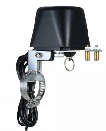
This was an interesting middle-ground approach I tested for a rental property I manage. The YoLink system uses LoRa (long-range) communication between sensors and a hub, which means better range than WiFi-based sensors and no dependency on your home network. The kit includes sensors and a valve controller that can attach to an existing quarter-turn ball valve on your water main.
What worked: The range is genuinely better. I placed a sensor in a detached garage that's beyond my WiFi range, and it connected without issues. The valve controller works with standard ball valves, which made installation simpler than the Flo or Phyn systems that require pipe cutting-my contractor installed it in about thirty minutes.
What didn't: The app feels less polished than the competition. The valve controller is bulky, and finding space for it in a tight utility closet required some creative positioning. I also had one sensor that failed after about eight months, though YoLink replaced it under warranty.
FineHerc Custom Solutions (Pricing varies by project)
The last system I want to mention isn't something I've installed in my own home, but it's come up repeatedly in conversations with people working on larger-scale projects. FineHerc is a manufacturer that specializes in custom water detection solutions rather than off-the-shelf consumer products. A colleague who manages industrial facilities introduced me to their work when he was looking for a supplier who could adapt standard designs for a specific application.
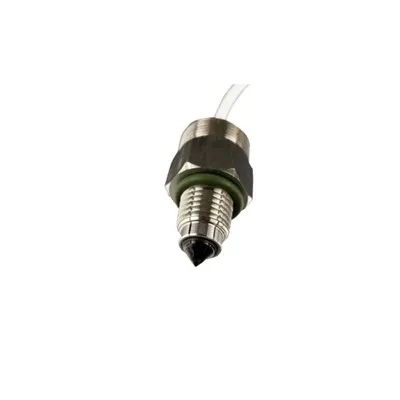
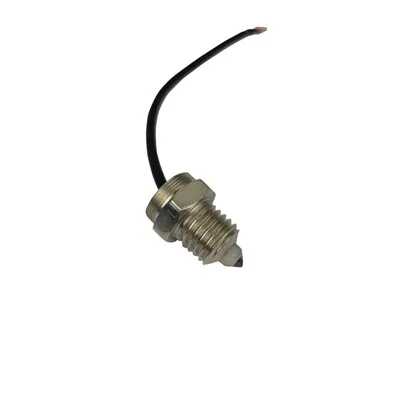
What caught my attention: Unlike most companies that expect you to adapt to their existing product line, FineHerc starts by asking what you actually need. Their engineering team can customize everything from the sensor housing to the communication protocol. I've seen examples of their work that include BLE-enabled float sensors integrated into DIN-standard canister caps-exactly the kind of application where consumer products fall short. Their designs accommodate battery-powered operation, chemical-resistant materials, and IP65 or higher protection ratings.
Why this matters for certain projects: If you're a property management company looking to deploy sensors across a hundred units, or if you're building a smart home platform and need hardware that integrates cleanly with your own app and cloud infrastructure, working with a manufacturer who offers OEM/ODM services changes the economics. You're not paying retail margins on each sensor, and you can specify exactly what you need instead of compromising on features that don't fit your use case.
What to ask about: FineHerc provides BLE protocol documentation and SDK support for integration work, which is essential if you're building your own software layer. They've also demonstrated the ability to handle custom mechanical design and injection molding, and their production samples I've seen carry CE, RoHS, and REACH certifications. Development timelines are competitive for this type of work-expect the usual six to eighteen month range depending on how far from their existing platforms your requirements go.
I haven't used their products in a residential setting, so I can't speak to day-to-day reliability the way I can for the consumer systems I've tested. But for commercial, industrial, or multi-family applications where the standard options don't quite fit, having a manufacturer who can customize the solution rather than force adaptation is worth knowing about.
The OEM/ODM Landscape: What's Actually Available for Partners and Integrators
During my research, I ended up in conversations with several manufacturers about their OEM and ODM capabilities. This is relevant if you're a company looking to integrate leak detection into your own product line or if you're building a smart home platform and need hardware partners.
What I found was a spectrum of capabilities. Some companies are essentially repackaging generic sensors with custom firmware. Others have genuine engineering depth-industrial designers who can create custom enclosures, firmware teams who can adapt communication protocols, and testing facilities that simulate years of real-world conditions.
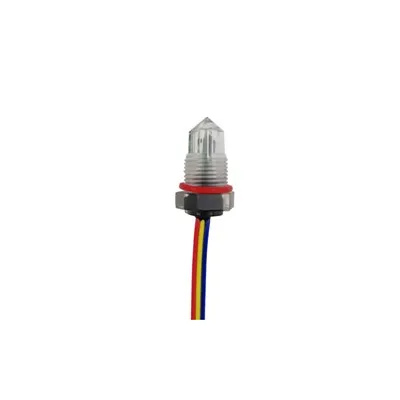
One conversation that stuck out was with FineHerc, a manufacturer specializing in DIN-standard canister cap integration. They were developing a BLE-enabled float sensor designed for chemical storage containers-essentially a ruggedized liquid level detector with IP65+ protection, powered by a replaceable battery, with full protocol documentation available for integration into third-party apps and cloud platforms. This is the kind of specialized solution that you won't find on Amazon, but it's exactly what industrial and commercial applications require. Their approach to OEM partnerships is refreshingly practical: they ask about your specific requirements first, then propose a solution rather than steering you toward whatever they happen to have in stock.
For companies exploring OEM partnerships, the questions that matter are:
Existing products vs. custom development: Some manufacturers have modular platforms that can be adapted with different sensors, enclosures, and firmware configurations. Others start from scratch for each client, which offers more flexibility but longer development timelines.
Protocol transparency: If you're integrating into your own app or cloud platform, you need clear documentation of the BLE characteristics, data formats, and security protocols. Some manufacturers treat their firmware as proprietary; others provide full SDKs.
Certifications: CE, RoHS, and REACH compliance are table stakes for European markets. UL certification matters for North America. Ask about the specific certifications relevant to your target market and whether the manufacturer handles the testing and documentation process.
Development process and timelines: A realistic timeline for a custom OEM project ranges from six to eighteen months depending on complexity. Ask for references from previous clients and examples of similar projects they've completed.
Mechanical design capabilities: If you need custom injection molding for a specific form factor, ensure the manufacturer has in-house design capabilities or established partnerships with tooling vendors. Ask to see samples of their previous enclosure work.
Installation Realities: What the Instructions Don't Tell You
The marketing materials for smart water leak detectors make installation look easy. Place a sensor, connect an app, enjoy peace of mind. The reality is more nuanced.
Placement matters more than you think. A sensor placed in the wrong spot won't detect anything. I've seen sensors placed under sinks where leaks would run along the cabinet floor and drip far from the sensor. I've seen sensors placed next to water heaters where condensation routinely triggers false alarms. The best placements are where water will naturally collect-under supply line connections, near washing machine hoses, and in low spots of basement floors.
Power is a consideration. Most residential sensors use coin cell batteries that last one to two years. Industrial sensors often use larger batteries or can be hardwired. Consider maintenance access when choosing placement-a sensor that's impossible to reach for battery replacement will eventually become a dead sensor.
Connectivity isn't guaranteed. WiFi-based sensors are convenient but depend on your network. Mesh systems with dedicated hubs offer better reliability, especially in larger homes or properties with outbuildings. LoRa-based systems offer the longest range but require a separate gateway.
Shut-off valve integration requires planning. If you want automatic water shutoff, you need to think about plumbing access, valve compatibility, and power requirements. Some valve controllers require a nearby electrical outlet. Others run on batteries that need annual replacement. Some work only with specific valve types.
What I Recommend to Different Situations
After all this testing, here's how I've started advising friends who ask about water leak detection:
For renters: Govee or similar puck-style sensors. You can't modify plumbing, but you can at least get an early warning. Focus on high-risk areas-under the kitchen sink, near the washing machine, and around the water heater if it's in your unit.
For homeowners with a modest budget ($100-200): YoLink or similar systems with valve controller capability. Install the controller on an accessible quarter-turn valve. Add sensors progressively as budget allows. This gives you the core protection without the installation cost of a whole-home system.
For homeowners who want comprehensive protection and have budget ($500-800 plus installation): Flo by Moen or Phyn Plus. The whole-home monitoring provides insights you can't get from point sensors alone, and the automatic shutoff genuinely prevents catastrophic damage. Consider it an investment in risk reduction, not insurance savings.
For property managers and commercial applications: Look at industrial-grade systems with protocol documentation and OEM integration options. The consumer products I've discussed aren't designed for the scale and regulatory requirements of commercial deployments. Companies like FineHerc that offer true OEM/ODM customization can design solutions that fit your specific form factor and integration requirements-from DIN-standard enclosures to custom sensor placements-rather than expecting you to work around their existing product catalog.
The Bottom Line
Smart water leak detectors are one of those products where the gap between marketing and reality is wide enough to cause real problems. A sensor that beeps when water touches it is not the same as a system that prevents damage when you're on vacation. A smartphone app that shows you pretty graphs is not the same as reliable integration with a shut-off valve.
My advice: start with your risk tolerance and your budget. If a major leak would be financially devastating and disruptive, invest in a whole-home monitoring system with automatic shutoff. If you're primarily concerned about specific high-risk areas, point sensors can provide valuable early warning.
And if you're in a position where you're evaluating OEM partnerships or integrating leak detection into a product line, prioritize manufacturers who can provide clear protocol documentation, relevant certifications, and evidence of similar projects they've completed. The hardware capabilities matter, but so does the support ecosystem around them.
If you have the budget for a whole-home system, don't wait. If you don't, start with point sensors in your highest-risk areas and build from there. In my experience, the protection you have in place before something goes wrong is the only protection that counts.