What Is Cheaper to Use for Cooking: Natural Gas or Propane? The Complete Answer
In this guide: Everything you need to know about what is cheaper to use for cooking - natural gas vs. propane - covering cost per BTU, regional pricing, appliance efficiency, regional availability, and the complete FAQ for 2026.
What Is Cheaper to Use for Cooking: Natural Gas or Propane? Quick Answer
The answer to whether natural gas or propane is cheaper for cooking depends entirely on where you live, how your home is equipped, and how your utility prices are structured - but in most comparisons, natural gas is less expensive per unit of energy, while propane delivers more BTUs per dollar in small portable cylinder use. Natural gas typically costs $1.20–$2.50 per therm (including delivery fees and taxes), while propane costs $2.50–$4.00 per gallon at typical retail prices. On a pure per-BTU basis, natural gas is approximately 40–60% less expensive per unit of energy than propane - but this comparison does not account for the infrastructure costs of each system, which vary dramatically depending on whether natural gas lines are available at your property. If your home already has a natural gas connection, switching to propane for cooking is almost certainly more expensive. If your home uses propane for all heating and appliances, adding a propane range is often the only practical option. The real cost comparison for cooking specifically involves fuel price per BTU, cooktop efficiency, oven efficiency, regional price variation, and whether your home already has the infrastructure in place. This guide breaks down every factor so you can make the most economical choice for your situation.
Natural Gas vs. Propane: Core Cost Comparison
The Raw Numbers
The fundamental cost difference between natural gas and propane starts with their prices per unit, then compounds based on their energy density differences:
Natural gas vs. propane cooking cost comparison:
| Factor | Natural Gas | Propane | Which Is Cheaper |
|---|---|---|---|
| Typical price (retail) | $1.20–$2.50 per therm | $2.50–$4.00 per gallon | Natural gas (lower per unit) |
| Energy per unit | ~1,037 BTU per cubic foot | ~91,500 BTU per gallon | Propane (more BTU per unit) |
| BTU per dollar (approximate) | ~700–850 BTU per cent | ~23,000–36,000 BTU per dollar | Natural gas (more BTU per dollar) |
| Cost per 100,000 BTU (cooking) | $0.12–$0.20 | $0.28–$0.45 | Natural gas |
| Delivery and infrastructure fees | Monthly meter fee ($15–$35/month) | Tank rental ($40–$80/year) or ownership | Depends on usage volume |
| Installation cost for new hookup | $500–$2,000 if line available; $5,000–$15,000+ if extension needed | $0–$500 for existing propane home | Propane (if infrastructure exists) |
| Annual cooking fuel cost (average family) | $50–$120/year | $100–$250/year | Natural gas |
Understanding BTU: Why the Comparison Is Not Apples to Apples
Energy Content and What It Means for Cooking
Natural gas and propane are measured in different units and have different energy densities, which makes direct cost comparison more complex than price-per-gallon vs. price-per-therm:
BTU comparison for cooking appliances:
| Appliance | Natural Gas BTU/hr (typical) | Propane BTU/hr (typical) | Notes |
|---|---|---|---|
| 4-burner cooktop (all burners on high) | 35,000–45,000 BTU/hr | 55,000–65,000 BTU/hr | Propane produces higher heat output |
| Large burner (single burner, high) | 12,000–15,000 BTU/hr | 15,000–18,000 BTU/hr | Propane burns hotter at same burner rating |
| Small simmer burner | 5,000–8,000 BTU/hr | 6,000–10,000 BTU/hr | Propane gives more control at low heat |
| Standard oven bake element | 12,000–16,000 BTU/hr | 14,000–18,000 BTU/hr | Propane oven runs slightly hotter |
| Oven broiler | 7,000–10,000 BTU/hr | 9,000–12,000 BTU/hr | Propane broilers perform hotter |
| Grill (built-in, outdoor kitchen) | 40,000–60,000 BTU/hr | 60,000–80,000 BTU/hr | Propane delivers higher grill heat |
Regional Price Comparison: Where Each Fuel Wins
How Geography Changes the Cost Equation
The natural gas vs. propane cost comparison shifts significantly by region, season, and local market conditions:
Regional natural gas vs. propane pricing (approximate ranges):
| Region | Natural Gas Price (per therm) | Propane Price (per gallon) | Which Is Cheaper for Cooking |
|---|---|---|---|
| Northeast (CT, MA, NH, NY) | $1.40–$2.80 | $3.00–$4.50 | Natural gas - wide margin |
| Midwest (IL, IN, OH, MI) | $1.00–$1.80 | $2.00–$3.00 | Natural gas - comfortable margin |
| Southeast (FL, GA, NC, SC) | $1.20–$2.20 | $2.50–$3.50 | Natural gas - moderate margin |
| South Central (TX, LA, OK) | $0.90–$1.60 | $2.50–$3.50 | Natural gas - significant margin |
| Mountain West (CO, UT, WY) | $0.95–$1.70 | $2.50–$3.50 | Natural gas - significant margin |
| Pacific (CA, OR, WA) | $1.80–$3.50 | $3.00–$4.50 | Natural gas - but higher baseline |
| Rural Midwest / Plains | $1.10–$2.00 | $1.80–$2.80 | Narrower gap; propane often competitive |
| Alaska and Hawaii | $2.50–$4.00 | $4.00–$6.00+ | Both expensive; natural gas slightly better |
| Rural Northeast | $1.50–$2.50 | $2.50–$3.50 | Natural gas typically still cheaper |
| Areas without natural gas service | Not available | $2.50–$3.50 | Propane is the only practical option |
Seasonal Price Variation: When Costs Shift
How Time of Year Affects Each Fuel
Natural gas and propane prices both fluctuate seasonally, but in different ways that affect the annual cost comparison:
Seasonal propane vs. natural gas price patterns:
| Season | Natural Gas Price Trend | Propane Price Trend | Why |
|---|---|---|---|
| Winter (heating season) | Higher demand → higher prices | Highest prices - peak heating demand | Both fuels spike; propane spikes more |
| Spring (April–May) | Prices drop as demand falls | Prices normalize; good time to fill tank | Best time to lock in propane price |
| Summer (June–August) | Lowest prices - minimal demand | Lowest prices - off-season for heating | Good time for propane tank fills |
| Fall (September–October) | Prices begin rising | Prices begin climbing before heating season | Propane prices start spiking first |
| Extreme cold events | Brief price spikes | Sharp spikes; supply tightness | Propane more volatile; natural gas more stable |
Appliance Efficiency: Does It Change the Cost Picture?
Cooking Performance on Natural Gas vs. Propane
Both natural gas and propane ranges and cooktops are highly efficient, but they differ in ways that affect real-world cooking cost and performance:
Natural gas vs. propane cooking appliance efficiency:
| Factor | Natural Gas Range | Propane Range | Practical Impact |
|---|---|---|---|
| Burner efficiency (heat transfer) | 38–45% | 42–50% | Propane transfers slightly more heat to cookware |
| Ignition reliability | Excellent - reliable pilot or electronic ignition | Excellent - reliable electronic ignition | Equal |
| Simmer performance | Excellent - precise low flame control | Good to excellent - requires proper regulator | Slight edge to natural gas |
| High-heat cooking (stir-fry, searing) | Very good - adequate heat | Excellent - propane burns hotter | Edge to propane |
| Oven temperature consistency | Very good | Very good | Equal; both depend on appliance quality |
| Broiler performance | Good | Excellent - propane burns hotter at same rating | Edge to propane |
| Annual fuel cost for cooking | $50–$120 | $100–$250 | Natural gas cheaper for typical family |
| Appliance purchase price (natural gas) | Baseline | $150–$400 premium for propane conversion kit | Propane range costs more upfront |
Hidden Costs Beyond the Fuel Price
What the Per-Unit Price Comparison Misses
The raw fuel cost comparison does not capture all the expenses associated with each system:
Hidden costs comparison for natural gas vs. propane cooking:
| Cost Factor | Natural Gas | Propane | Impact on Decision |
|---|---|---|---|
| Monthly meter/service fee | $15–$35/month (~$180–$420/year) | Tank rental $40–$80/year | Meter fee adds significant baseline cost |
| Propane tank purchase (owned) | N/A | $500–$2,000 one-time | Amortized over 15–20 years |
| Propane delivery fee | Included in utility bill | $0–$150 per delivery | Rural areas with small tanks pay more |
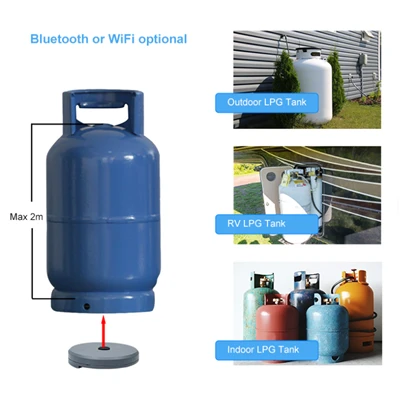
| Propane fuel gauge monitor | N/A | $50–$150 | Optional but strongly recommended |
| Appliance conversion kit (gas type) | Baseline | $150–$400 (natural gas range to propane) | One-time cost at purchase |
| Annual cooking fuel cost | $50–$120 | $100–$250 | Natural gas typically wins |
| Infrastructure hookup (new) | $500–$15,000+ | $0 if tank exists | Propane wins if natural gas line not available |
| Price volatility | Moderate | High - follows crude oil and heating demand | Natural gas more predictable |
The Scenario That Determines Which Is Cheaper
When Natural Gas Wins vs. When Propane Wins
The real answer to the cost question depends entirely on your specific situation:
| Your Situation | Which Is Cheaper | Why |
|---|---|---|
| Home has natural gas line and range | Natural gas | No hookup cost; lower per-BTU price; no tank rental |
| Home uses propane for heating (already has tank) | Propane for cooking | No new infrastructure; cooking uses small fraction of total fuel |
| New home without gas service, rural area | Propane for cooking (only option) | Natural gas line extension is prohibitively expensive |
| Apartment or condo (multi-unit building) | Natural gas (building has service) | Landlords typically provide; tenant pays utility bill |
| Homeowner considering hookup to natural gas | Depends on hookup cost and usage | Calculate payback: additional annual fuel savings vs. hookup cost |
| Home with natural gas for heating, propane range preference | Propane cooking only slightly more expensive | Small incremental fuel cost; may prefer propane performance |
| Commercial kitchen | Natural gas typically | High-volume use amplifies per-BTU savings; larger appliances |
| RVs, cabins, seasonal homes | Propane | No natural gas service typically available; propane is practical |
Converting Between Natural Gas and Propane
What It Costs and What It Involves
If you already have one fuel type but want to switch, here is what you need to know:
Natural gas to propane (and reverse) conversion:
| Item | Conversion from NG to Propane | Conversion from Propane to NG |
|---|---|---|
| Cooktop burners | Replace orifices (small brass fittings) - $30–$80 | Replace orifices - $30–$80 |
| Oven | Replace orifice; adjust spring tension - $50–$100 | Replace orifice; adjust spring tension |
| Regulator | May need to change from NG to LP regulator | May need to change from LP to NG regulator |
| Labor (professional conversion) | $150–$350 | $150–$350 |
| Total conversion cost (professional) | $200–$500 | $200–$500 |
| DIY conversion | Possible with correct orifices - not recommended | Same - not recommended |
| Appliance compatibility | Not all appliances are convertible - check manufacturer | Same |
Frequently Asked Questions
Q1: Is natural gas really cheaper than propane for cooking?
Yes - natural gas is typically cheaper than propane for cooking, primarily because natural gas prices are significantly lower per unit of energy and most homes with natural gas service pay lower annual fuel costs for cooking than propane users. On a per-BTU basis, natural gas is approximately 40–60% less expensive than propane, which means a family that spends $200 per year cooking with propane would spend approximately $80–$120 per year cooking with natural gas. However, the full comparison requires accounting for fixed costs: natural gas homes pay a monthly meter fee of $15–$35 ($180–$420 per year), while propane homes typically pay $40–$80 per year in tank rental fees. When these fixed costs are included in the annual calculation, the advantage of natural gas for cooking is significant but not overwhelming - approximately $60–$200 per year in savings for the average family. The practical conclusion is that if your home already has natural gas service, cooking with natural gas is meaningfully cheaper. If your home uses propane for heating and appliances, the marginal cost of adding propane cooking is small because you are already paying the tank rental and delivery infrastructure - so propane cooking is essentially free from an infrastructure perspective in an already-propane home.
Q2: Does cooking with propane produce different results than natural gas?
Cooking with propane produces marginally different results than cooking with natural gas, primarily because propane burns slightly hotter at the same orifice size, which affects high-heat cooking techniques more than everyday cooking. The heat difference is most noticeable in two specific scenarios: very high-heat cooking like wok-style stir-frying and professional-grade searing, where propane's higher flame temperature (3,600°F vs. 3,560°F for natural gas) produces a slightly more aggressive sear; and oven broiling, where propane's higher heat output creates faster, more aggressive browning. For everyday cooking - simmering soups, boiling pasta, baking, roasting - the difference between natural gas and propane is imperceptible to most home cooks. The exception to this rule is when an appliance is specifically designed for one fuel type and used with the other without proper conversion: a natural gas range used with propane without an orifice change produces dangerously small, potentially unstable flames, while a propane range used with natural gas without conversion produces excessively large, sooty flames that damage cookware and indicate incomplete combustion. Proper conversion eliminates these performance problems entirely.
Q3: What is the cost per month to cook with propane vs. natural gas?
The monthly cost to cook with propane vs. natural gas varies by household, but a typical family of four that cooks daily can expect to pay approximately $8–$20 per month for natural gas cooking (including the prorated portion of the monthly meter fee) and approximately $15–$35 per month for propane cooking (including the prorated portion of annual tank rental fees). The actual monthly cost depends on how much you cook, which burners you use, the efficiency of your appliances, and current fuel prices in your area. In high-cost regions (Northeast, California, Alaska), propane cooking costs can reach $30–$50 per month during winter when propane prices spike, while natural gas costs remain more stable. In low-cost regions (Midwest, South Central, Mountain West), the gap between natural gas and propane narrows significantly, with some rural propane users paying only marginally more per month for cooking than natural gas users. The seasonal variation is more pronounced for propane - a family that pays $15/month for propane cooking in summer may pay $30–$40/month in January because propane prices rise with heating demand. Natural gas prices also rise in winter, but by a smaller percentage.
Q4: If my home uses propane for heating, should I also use propane for cooking?
Yes - if your home already uses propane for heating, using propane for cooking is almost always the most economical choice, because you are already paying for the tank, the rental fee, and the delivery infrastructure. Cooking represents only a small fraction of total propane consumption - a typical home using 800–1,500 gallons of propane per year for heating spends only 5–10 gallons on cooking, which at $3.00/gallon is approximately $15–$30 per year in additional fuel cost. This small incremental cost is far less than the cost of connecting to natural gas (if it is even available in a rural area) or installing a second fuel system. The infrastructure argument is decisive: a home that already has a propane tank, a propane water heater, and a propane furnace has everything needed to add a propane range at essentially zero incremental infrastructure cost. The only scenario where using natural gas for cooking in an otherwise-propane home might make sense is if natural gas service becomes available and affordable at your location, and you cook extensively enough to justify the annual natural gas meter fee.
Q5: How much money can I save per year by switching from propane to natural gas for cooking?
The amount of money you can save per year by switching from propane to natural gas for cooking depends on how much you cook, your current propane prices, and your local natural gas prices - but for the average family, the annual savings are approximately $60–$200 per year in fuel costs alone, plus an additional $40–$80 per year if your propane tank rental fee goes away after the switch. However, these annual savings must be weighed against any one-time costs: if your home already has natural gas service (the most common scenario for homes switching cooking appliances), the only cost is purchasing a natural gas range if you currently have a propane range, which ranges from $0 (if you already have a natural gas range) to $400 (if you purchase a new natural gas range or pay for professional propane-to-natural gas conversion on your existing range). In this common scenario - a home that already has natural gas service and needs to buy or convert a range - the payback period is typically 1–5 years, after which natural gas cooking saves money indefinitely. The calculation changes significantly if your home does not have natural gas service: a new gas line installation that costs $5,000–$15,000 would take 25–75 years to recoup through cooking fuel savings alone, making it financially irrational unless natural gas is also being used for heating, hot water, or clothes drying.
The Bottom Line
Natural gas is typically cheaper than propane for cooking - on a per-BTU basis, natural gas is approximately 40–60% less expensive, and the average family saves approximately $60–$200 per year in fuel costs by cooking with natural gas instead of propane. However, the real-world cost comparison depends entirely on your specific situation: if your home already has natural gas service and a natural gas range, the cost advantage is clear and meaningful. If your home uses propane for heating, the incremental cost of propane cooking is so small (only $15–$30 per year in fuel) that switching to natural gas for cooking alone makes little economic sense. And if your home has no natural gas service, propane is often the only practical option, making the comparison moot. The practical advice: if you are choosing between fuels for a new home or new appliance, prioritize natural gas if it is available and affordable at your location. If you are already set up with propane, use propane for cooking and enjoy excellent cooking performance at a modest incremental cost. The fuel itself is a small portion of the total cost of cooking at home - a well-built, well-maintained range that fits your cooking style matters far more than which fuel it uses.
Last updated: July 2026
Disclaimer: This guide provides general information about the cost comparison between natural gas and propane for cooking for educational purposes. Actual prices and costs vary significantly by region, season, provider, and individual usage. Always obtain current local price quotes from your natural gas utility and propane supplier before making equipment or fuel decisions. This guide is not affiliated with, endorsed by, or sponsored by any natural gas utility, propane supplier, or appliance manufacturer.