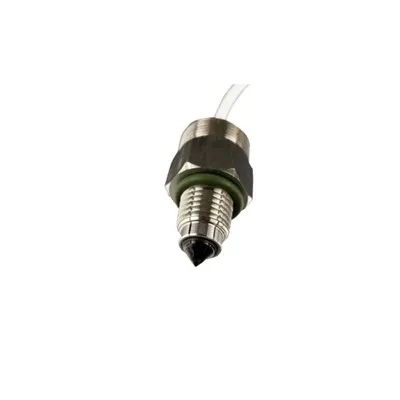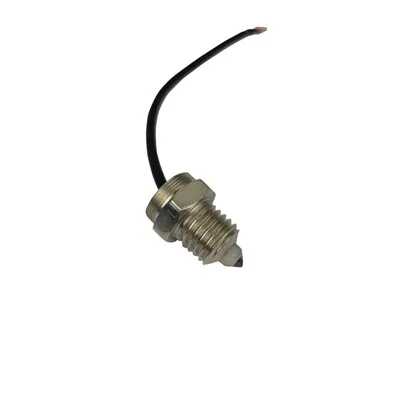
An Overview of Oil Level Sensors and How They Work
Oil isn't just lubrication-it's also a "health signal" for your engine and machinery. That's why modern oil level monitoring relies on oil level sensors (often paired with a dash oil level gauge) to prevent damage, reduce downtime, and explain the low oil level warning light meaning before it becomes an expensive repair. Below is An Overview of Oil Level Sensors and How They Work in practical terms.
What an Oil Level Sensor Does (and Why It Matters)
The engine oil level sensor function is simple: detect oil height (and sometimes oil condition/temperature) and report it to the ECU, instrument cluster, or a control module. Understanding how oil level sensors work helps you react correctly to warnings and avoid overfilling.
Oil Level Sensor vs Oil Pressure Sensor
An oil level sensor vs oil pressure sensor comparison clears up a common misconception:
Oil level sensor: Measures how much oil is in the sump/tank.
Oil pressure sensor: Measures oil pressure in the engine's oil galleries. Low level can cause low pressure, but not always-and each sensor can fail differently.
How Oil Level Sensors Work: Common Designs
Float Switch Oil Level Sensor (Simple and Rugged)
A float switch oil level sensor uses a buoyant float and a reed switch. When oil drops below a set point, the circuit changes state and triggers a warning.
Capacitive Oil Level Sensor Principle (No Moving Parts)
The capacitive oil level sensor principle uses electrodes: oil and air have different dielectric properties, so capacitance changes with level. These are common in cars because they're accurate and compact.
Ultrasonic Oil Level Sensor Accuracy (Non-Contact Measurement)
Ultrasonic oil level sensor accuracy depends on tank geometry and aeration. It sends a sound pulse and measures echo time to determine the oil surface height-excellent for some industrial reservoirs, trickier in foamy oil.
Oil Level Sensor Types Comparison (Quick Take)
An oil level sensor types comparison typically ranks:
Float: cheapest, simplest; less precise
Capacitive: precise; needs clean signal processing
Ultrasonic: no contact; sensitive to turbulence/foam
Location, Testing, and Wiring Basics
Oil Level Sensor Location by Vehicle
Oil level sensor locati0n by vehicle is usually:
Oil pan/sump (most passenger cars)
Dry-sump tank (performance applications) Always confirm in the service manual before parts ordering.
How to Test Oil Level Sensor
To learn how to test oil level sensor issues, start with:
Scan tool: check live level data (if supported)
Visual inspection for leaks/impact damage
Multimeter checks per the oil level sensor wiring diagram (power, ground, signal)
Compare sensor reading to dipstick (if equipped)
Symptoms, Causes, and Troubleshooting
Common oil level sensor symptoms and causes include:
Intermittent warning after bumps (connector corrosion)
Constant warning with correct level (failed sensor, broken wire)
No warning ever (open circuit, blown fuse)
For oil level sensor failure troubleshooting, check oil condition (sludge can skew capacitive readings), then wiring/connectors, then sensor output.
Replacement Cost and Aftermarket Choices
Oil level sensor replacement cost varies by vehicle and access (oil pan removal can add labor). If you're shopping the best oil level sensor aftermarket, prioritize OEM-quality suppliers, correct calibration, and verified fitment.
Takeaway
Treat oil level warnings as data: confirm level, verify wiring, and test the sensor logically. With solid oil level monitoring, you'll catch problems earlier and protect the engine before the light becomes a repair bill.