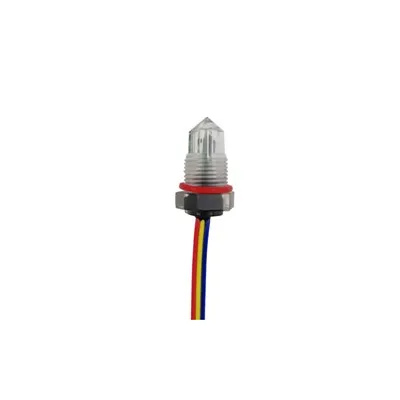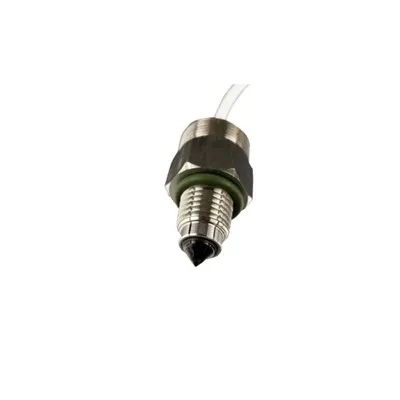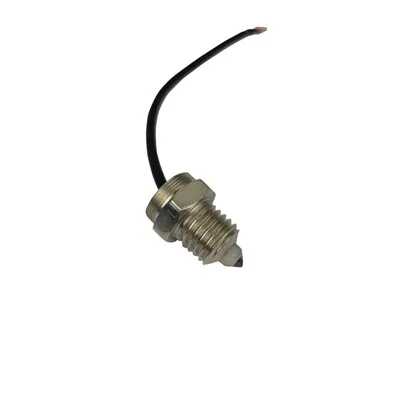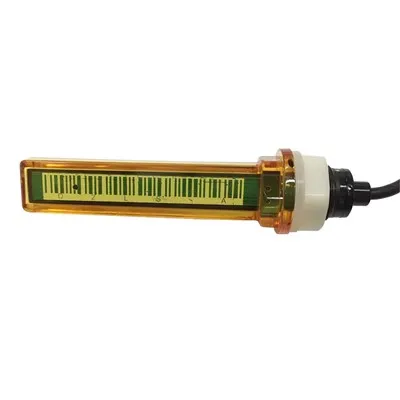
Flow measurement is widely applied across various sectors, including industrial and agricultural production, national defense, scientific research, foreign trade, and daily life. In the petroleum industry-spanning everything from extraction, transportation, and refining to trade and sales-flow measurement permeates the entire process. No single stage can function without it; otherwise, the normal production and commercial operations of the petroleum industry could not be guaranteed. In the chemical industry, inaccurate flow measurement can lead to imbalances in chemical composition ratios, compromising product quality and, in severe cases, resulting in production safety accidents. In the power generation industry, the measurement and regulation of flow rates for media such as liquids, gases, and steam play a pivotal role. The accuracy of flow measurement holds significant economic importance, not only for ensuring that power plants operate at optimal parameters but also-with the advent of high-temperature, high-pressure, and large-capacity generating units-for serving as a critical component in guaranteeing the safe operation of power plants. For instance, a sudden interruption or reduction in the instantaneous feedwater flow to a large-capacity boiler could trigger severe accidents, such as boiler dry-outs or pipe ruptures. Consequently, flow measurement devices are required not only to provide accurate readings but also to issue timely alarm signals. In the steel industry, measuring the flow rates of circulating water and oxygen (or air) during the steelmaking process constitutes one of the key parameters for ensuring product quality. Furthermore, industries such as light manufacturing, food processing, and textiles are equally reliant on flow measurement.
In the municipal and environmental protection sectors, flow meters also play a vital role. In municipal water supply systems, they are used to monitor water consumption within the pipe network and assess the efficiency of water transmission and distribution. In wastewater treatment plants, flow meters are employed to measure influent and effluent flow rates, thereby facilitating process adjustments and ensuring compliance with discharge standards. In the realm of environmental monitoring, these devices enable the real-time surveillance of flow rates in water bodies-such as rivers and drainage systems-providing essential data support for water resource management.
In the energy and residential sectors, the application of flow meters is becoming increasingly widespread. In the metering of natural gas, steam, and thermal energy, flow meters are utilized for energy billing and consumption analysis. In the food and beverage industry, they are used to control ingredient mixing and bottling processes. In building management and residential systems, they can also be employed to monitor the flow of fluids such as heating water and air conditioning circulation water. Driven by advancements in intelligent technologies, the application of flow meters is gradually evolving toward remote monitoring and digitized management solutions.