The history of flow meters can be traced back to an early stage characterized by simple, empirical measurement methods. At that time, people primarily relied on structures such as weirs and orifice plates to roughly estimate flow rates by observing how the liquid flow changed within these fixed structures. Although structurally simple, these methods offered limited accuracy and were primarily utilized in fundamental engineering fields such as irrigation and water conservancy.
With the advent of industrialization, mechanical flow meters gradually gained widespread adoption; devices such as turbine flow meters, oval gear flow meters, and rotameters began to be deployed in the petroleum, chemical, and water supply sectors. Flow meters from this era demonstrated significantly higher measurement accuracy and stability, effectively meeting the fundamental requirements for metering and process control in industrial production, thereby driving the advancement of the process industries.
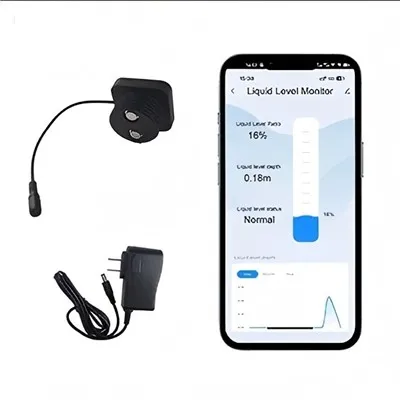
Driven by advancements in electronics and computer technology, flow meters have now entered a modern, intelligent era. A continuous stream of innovative products-including electromagnetic, ultrasonic, and Coriolis mass flow meters-has emerged, enabling capabilities such as non-contact measurement, high-precision readings, and digital data output. Furthermore, by integrating with automation systems and Internet of Things (IoT) platforms, flow meters have evolved beyond mere measurement tools to facilitate remote monitoring, data analytics, and intelligent control, thereby becoming an indispensable component of modern industrial automation.