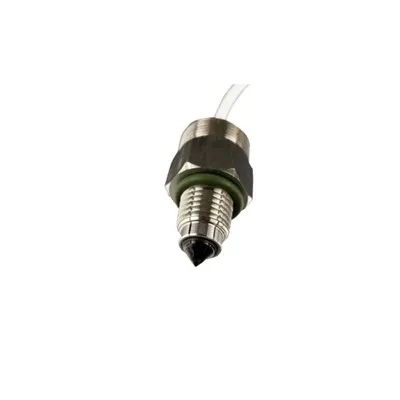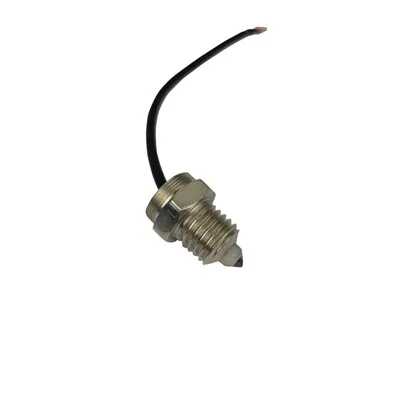
Clamp-On Liquid Flow Meters
When your team needs accurate liquid flow measurement without cutting into a pipe, stopping production, or adding pressure drop, clamp-on technology can be a practical alternative to traditional inline instruments. These non-invasive flow meters attach to the outside of the pipe and use ultrasonic signals to estimate flow through the pipe wall, making them especially useful for retrofits, temporary testing, process troubleshooting, and facilities where downtime is expensive.
This comparison page explains how clamp-on meters compare with other liquid measurement tools, where they perform best, and what to consider before choosing a flow measurement solution.
What Makes Clamp-On Flow Measurement Different?
Clamp-on meters are designed to measure flow from outside the pipe. Instead of inserting a sensor into the liquid stream, the transducers are mounted on the exterior surface of the pipe. Many ultrasonic flow meters use transit-time technology, which compares the travel time of sound pulses moving with and against the flow. The difference between those times helps calculate velocity, which can then be used to estimate volumetric flow.
The biggest distinction is simple: the meter does not contact the liquid.
That single difference can affect installation cost, maintenance requirements, hygiene, safety, and long-term flexibility. For many industrial and commercial applications, Clamp-On Liquid Flow Meters offer a balance of convenience and performance that inline devices may not provide.
Clamp-On vs. Inline Flow Meters
Inline flow meters are installed directly into the pipe. This category includes magnetic flow meters, turbine meters, positive displacement meters, vortex meters, Coriolis meters, and other common flow meter technology. These instruments can deliver strong performance when installed correctly, but they usually require pipe modification.
Clamp-on meters are different because they can often be installed while the pipe remains intact.
Clamp-on flow meters are often better when:
Production downtime must be minimized
The pipe cannot be cut or modified easily
The fluid is corrosive, hazardous, sanitary, or difficult to handle
The measurement point may need to move later
Temporary verification or troubleshooting is required
A facility wants a lower-disruption installation
Inline flow meters may be better when:
The application requires permanent custody-transfer-level measurement
Pipe material or pipe condition limits ultrasonic signal quality
The liquid contains heavy solids, bubbles, or unstable flow profiles
The facility already has planned shutdown time for installation
The process requires a meter type designed for very specific liquid properties
In short, inline meters can be excellent permanent instruments, but clamp-on meters can reduce installation complexity and provide more flexibility.
Clamp-On vs. Magnetic Flow Meters
Magnetic flow meters, often called mag meters, are widely used for conductive liquids such as water, wastewater, slurries, and chemical solutions. They have no moving parts and can provide dependable results in many process environments.
However, mag meters generally require installation inside the pipe, and they only work with conductive fluids. That makes them a strong option for certain applications but less versatile for others.
Clamp-on ultrasonic flow meters can measure many liquids without contacting them and without requiring conductivity. This can make them useful for applications involving treated water, oils, chemicals, and other compatible liquids, depending on pipe and fluid conditions.
Choose clamp-on ultrasonic measurement if you value:
Non-invasive installation
No wetted parts
No pressure drop
Portability or temporary use
Reduced contamination risk
Choose magnetic flow measurement if you need:
A dedicated inline meter for conductive liquids
Stable long-term measurement in a known process
Strong performance in many water and wastewater applications
An instrument already aligned with existing plant standards
Both are proven flow measurement solutions, but the better choice depends on whether your priority is non-invasive flexibility or permanent inline measurement.
Clamp-On vs. Turbine Flow Meters
Turbine meters use the movement of liquid to spin a rotor. The speed of rotation is used to calculate flow. They can be cost-effective and accurate in clean, steady-flow applications, but moving parts introduce wear and maintenance considerations.
Clamp-on meters do not place anything in the liquid stream, so they avoid issues related to rotor wear, bearing friction, or obstruction. This makes them attractive where maintenance access is limited or where the liquid should not contact meter components.
Turbine meters may still be suitable for clean, low-viscosity liquids in controlled operating conditions. But if the application involves varying operating points, a desire for minimal maintenance, or concern about pressure loss, clamp-on flow meter technology may be the better fit.
Clamp-On vs. Coriolis Flow Meters
Coriolis meters are highly capable instruments that can measure mass flow and, in many cases, density. They are often used in demanding process applications where very high accuracy is required.
The tradeoff is that Coriolis meters are inline instruments and can be more expensive, heavier, and more complex to install than many alternatives. They also require the process fluid to pass through the meter body.
Clamp-on meters typically focus on volumetric liquid flow measurement rather than direct mass flow. They are often chosen when the goal is to verify flow, monitor utility lines, measure water usage, support energy management, or add measurement to an existing line without major piping changes.
Coriolis may be the better option for:
Mass flow measurement
High-value batching
Density-related process control
Applications where inline installation is acceptable
Clamp-on may be the better option for:
Retrofitting existing piping
Temporary audits
Utility and process water monitoring
Situations where fluid contact is undesirable
Applications where installation speed matters
Where Clamp-On Liquid Flow Meters Perform Best
Clamp-on meters are especially useful in applications where the liquid is relatively clean, the pipe is full, and the pipe material supports reliable ultrasonic signal transmission. They are commonly considered for water systems, chilled and hot water loops, chemical transfer lines, fuel or oil monitoring, process cooling systems, and general plant flow verification.
They can also serve as valuable diagnostic liquid measurement tools. Maintenance teams may use portable clamp-on meters to compare readings against existing inline instruments, identify pump performance issues, balance distribution systems, or check flow before committing to a permanent meter installation.
Key Selection Factors
Before selecting any meter, confirm the operating conditions. A clamp-on meter can be highly effective, but performance depends on the match between the instrument, pipe, and liquid.
Important factors include:
Pipe material: Metals and many plastics may be compatible, but signal behavior varies by material.
Pipe size: Meter models are designed for specific pipe diameter ranges.
Pipe wall condition: Heavy scaling, corrosion, liners, or coatings can affect signal quality.
Liquid type: Clean liquids are often easier to measure than aerated or solids-heavy fluids.
Temperature: Sensor selection and mounting method should match process temperature.
Straight-run availability: Like many flow meters, clamp-on units usually perform better with stable flow profiles.
Accuracy expectations: Define whether the goal is process control, monitoring, verification, or billing-level measurement.
Permanent or portable use: Some models are built for fixed installation, while others are designed for field testing.
Pros and Cons of Clamp-On Flow Measurement
Advantages
Non-invasive installation
No pipe cutting in many applications
No pressure loss from the meter body
No wetted parts to corrode, foul, or contaminate fluid
Suitable for temporary or portable measurement
Useful for retrofits and system audits
Lower disruption compared with many inline installations
Limitations
Performance depends on pipe and fluid conditions
Proper sensor placement is important
Poor pipe surfaces can reduce signal quality
Entrained air or heavy solids may affect readings
Some applications still require inline measurement for maximum precision or compliance
These limitations do not make clamp-on meters inferior. They simply mean they should be applied correctly, just like any other flow measurement solution.
Which Flow Meter Type Should You Choose?
Choose a clamp-on meter if you want a flexible, non-invasive way to measure liquid flow with minimal process disruption. It is often the right choice for existing systems, temporary studies, maintenance checks, utility monitoring, and applications where avoiding fluid contact is important.
Choose an inline meter if your process requires a permanent instrument designed around a specific liquid, accuracy class, regulatory requirement, or control strategy. Magnetic, Coriolis, turbine, and other inline meters all have valid roles in the right application.
The best approach is not to ask which technology is universally best. Instead, ask which technology best fits your pipe, liquid, installation limits, accuracy needs, and operating environment.
Get the Right Fit for Your Application
If you are comparing liquid measurement tools for a new project or retrofit, start with the fundamentals: pipe size, pipe material, liquid type, flow range, temperature, pressure, and measurement goal. With those details, it becomes much easier to determine whether clamp-on ultrasonic technology or another meter type is the most practical choice.
For teams that need reliable liquid flow measurement without unnecessary downtime, non-invasive flow meters can offer a strong combination of convenience, flexibility, and performance. Contact a flow measurement specialist to review your application and select a meter configuration that fits your process requirements.