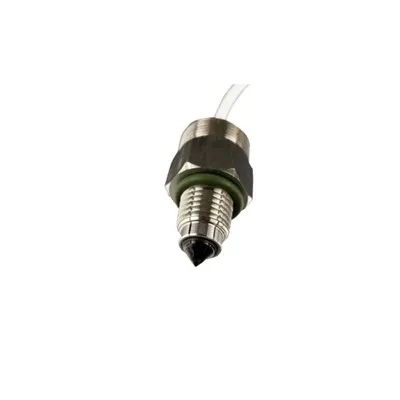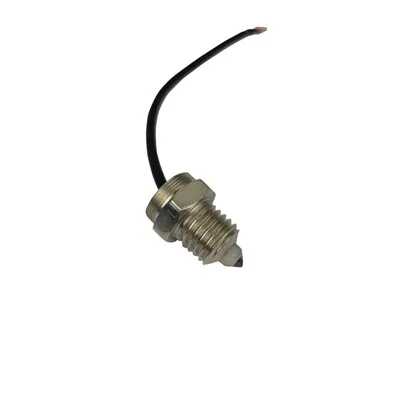
Understanding the Basics of Doppler Flow Meters
When your process involves liquids with suspended solids, air bubbles, or inconsistent clarity, accurate flow data can be difficult to capture with traditional flow measurement devices. Doppler Flow Meters are designed for these demanding applications, using ultrasonic technology to measure flow without interrupting the process or requiring direct contact with the moving stream.
Whether you manage wastewater, industrial discharge, mining slurry, chemical processing, or other challenging liquid applications, Doppler technology offers a practical, low-maintenance way to monitor flow with confidence.
Built for Challenging Flow Measurement Applications
Many flow systems are not perfectly clean, stable, or easy to access. Liquids may contain particles, entrained gas, sediment, sludge, or other materials that make certain meter types unreliable. Doppler Flow Meters solve this problem by using sound waves that reflect off suspended particles or bubbles in the liquid.
Instead of relying on a clean fluid profile, Doppler technology uses the movement of those reflectors to calculate velocity. This makes Doppler meters especially useful where other ultrasonic flow meters may not be the best fit.
They are commonly used in applications such as:
Wastewater and sewage flow monitoring
Sludge and slurry measurement
Industrial effluent tracking
Chemical and process water systems
Mining and mineral processing
Pulp and paper operations
Food and beverage processing with suspended solids
Pump performance monitoring
Temporary flow surveys and troubleshooting
If your liquid contains enough suspended solids or bubbles to reflect the ultrasonic signal, a Doppler meter can provide a reliable and efficient flow measurement solution.
How Doppler Flow Meters Work
Doppler Flow Meters operate by transmitting an ultrasonic signal through the pipe wall and into the flowing liquid. When the signal encounters moving particles or bubbles, it reflects back to the sensor at a shifted frequency. The meter analyzes this frequency shift to determine the velocity of the liquid.
Once velocity is calculated, the meter combines that value with the pipe size or channel information to estimate flow rate.
This approach makes Doppler meters different from transit-time ultrasonic flow meters, which typically require cleaner liquids and measure the time it takes for sound to travel upstream and downstream. Doppler models are often preferred for fluids that are too dirty, aerated, or solids-heavy for other non-invasive ultrasonic technologies.
Why Choose Doppler Technology?
Doppler meters are valued because they combine practical installation, flexible application use, and dependable performance in less-than-ideal fluid conditions.
Non-Invasive Installation
Many Doppler Flow Meters use clamp-on sensors that attach to the outside of a pipe. This means there is no need to cut into the pipeline, shut down the system, or install an inline meter body. For facilities where downtime is costly, this can be a major advantage.
Lower Maintenance Requirements
Because the sensor does not sit inside the flow stream, it is not directly exposed to abrasive solids, corrosive liquids, or heavy buildup. This can help reduce routine maintenance, cleaning, and replacement costs compared with some intrusive flow measurement devices.
Ideal for Dirty or Aerated Liquids
Doppler technology is specifically suited for liquids that contain suspended materials or gas bubbles. In applications where clean-liquid meters may struggle, Doppler systems are often a strong choice.
Flexible for Permanent or Portable Use
Depending on your needs, Doppler meters may be used as fixed monitoring instruments or portable diagnostic tools. Permanent models support ongoing process control, while portable units are useful for audits, temporary measurement, or verifying system performance.
No Pressure Drop
Clamp-on Doppler meters do not create an obstruction inside the pipe. That means they do not introduce added pressure loss, which can help maintain process efficiency.
Key Features to Look For
The right Doppler meter should match your process conditions, installation environment, and data requirements. When evaluating ultrasonic flow meters for your application, consider features such as:
Clamp-on or insertion sensor options
Compatibility with pipe materials and pipe sizes
Suitability for liquids with suspended solids or bubbles
Clear local display for flow rate and totalized flow
Analog, pulse, relay, or digital communication outputs
Data logging for reporting and analysis
Rugged enclosure for industrial environments
Battery-powered or line-powered operation
Simple setup and calibration workflow
Support for temporary or permanent installation
Because every process is different, selecting the correct model depends on factors such as pipe diameter, fluid type, temperature, solids content, flow velocity, and required accuracy.
Benefits for Your Operation
A well-selected Doppler Flow Meter can do more than display flow rate. It can help your team improve visibility, reduce guesswork, and make better operational decisions.
Improve Process Control
Real-time flow measurement helps operators understand how liquid is moving through the system. This can support better pump control, batching, treatment efficiency, and process consistency.
Reduce Installation Downtime
Clamp-on designs can often be installed without draining lines or stopping production. This makes them especially valuable for retrofit projects and active facilities.
Support Compliance and Reporting
For wastewater, discharge, or treatment applications, accurate flow data may be important for documentation, environmental reporting, or internal performance tracking.
Protect Equipment
Flow monitoring can help identify abnormal conditions such as pump inefficiency, blockages, leaks, or unexpected changes in process demand. Detecting these issues early may reduce wear and avoid unplanned downtime.
Lower Total Cost of Ownership
By minimizing pipe modifications, reducing maintenance exposure, and simplifying installation, Doppler meters can offer long-term value compared with more complex flow measurement devices.
Common Product Options
Doppler Flow Meters are available in several configurations to suit different environments and measurement goals.
Clamp-On Doppler Meters
These meters mount externally on the pipe and are commonly used when non-invasive installation is preferred. They are ideal for closed-pipe applications where the fluid contains sufficient reflectors.
Portable Doppler Meters
Portable units are useful for field testing, temporary monitoring, maintenance checks, and flow surveys. They are often selected by service teams, engineers, and facilities that need flexibility across multiple measurement points.
Fixed Doppler Monitoring Systems
Permanent Doppler systems are designed for continuous operation. They may connect to control systems, alarms, recorders, or monitoring platforms, depending on the available outputs.
Open Channel or Area-Velocity Solutions
Some Doppler-based systems are designed for channels, partially filled pipes, or wastewater flows where level and velocity data are combined to estimate total flow.
Applications That Benefit Most
Doppler Flow Meters are not intended for every liquid. They perform best when the fluid includes particles, bubbles, or other acoustic reflectors. This makes them an excellent fit for:
Raw sewage and treated wastewater
Sludge return and sludge transfer lines
Industrial wastewater discharge
Mining slurry and tailings
Cooling water with entrained air
Process liquids containing solids
Dredging and sediment transport
Chemical streams with suspended matter
For clean liquids, transit-time ultrasonic flow meters may be more appropriate. For dirty, aerated, or solids-bearing liquids, Doppler meters often provide the better measurement method.
Choosing the Right Doppler Flow Meter
To choose the best meter, start by reviewing your application conditions. Important questions include:
What liquid is being measured?
Does the liquid contain suspended solids or bubbles?
What is the pipe size and pipe material?
Is the pipe full, partially full, or open channel?
What flow range do you need to measure?
Is the installation temporary or permanent?
Do you need local display, data logging, or control system outputs?
What environmental conditions will the meter face?
If these details are not clear, a product specialist can help review the application and recommend suitable options.
Pricing and Availability
Pricing for Doppler Flow Meters depends on the configuration, sensor type, pipe size range, display options, communication outputs, power requirements, and whether the system is portable or permanently installed.
For the most accurate pricing, request a quote based on your specific application. This ensures you receive a meter that fits your measurement conditions rather than a generic device that may not perform reliably in the field.
Why Buy From a Flow Measurement Specialist?
Selecting the right meter is just as important as choosing the right technology. A knowledgeable supplier can help you confirm whether Doppler is appropriate for your liquid, pipe, and operating environment.
With expert support, you can:
Avoid choosing the wrong meter type
Match sensor selection to your pipe and fluid conditions
Understand installation requirements before purchase
Compare Doppler and other ultrasonic flow meters
Plan for future data, reporting, or control needs
Improve long-term measurement reliability
Get Reliable Flow Data in Difficult Conditions
Doppler Flow Meters provide a practical solution for measuring liquids that are dirty, aerated, or filled with suspended solids. With non-invasive installation options, reduced maintenance demands, and strong performance in challenging applications, they are a smart choice for many industrial and municipal systems.
If you need dependable flow measurement for wastewater, slurry, sludge, or process liquids, explore Doppler meter options today.
Request a quote or speak with a flow measurement specialist to find the right Doppler Flow Meter for your application.