How Do Leak Detection Systems Work
Water leaks rarely fail in dramatic ways. More often, they start as a slow drip under a sink, a pinhole in a supply line, or a hidden pipe seep behind drywall-quietly driving up bills and ruining floors. That's why homeowners and facility teams keep asking: How Do Leak Detection Systems Work? This guide explains the sensors, signals, and shutoff actions behind modern leak detection systems, plus practical ways to choose and use them to prevent water damage with sensors.
What a leak detection system does (in plain terms)
At their core, leak detection systems do three jobs:
Detect abnormal water where it shouldn't be (or abnormal flow/pressure in pipes).
Alert you locally (alarm) and/or remotely (app, SMS, monitoring platform).
Respond-sometimes automatically-by closing water via water shutoff valve automation.
This is the essence of water leak detection system basics: sense → decide → notify/act.
The main detection methods (and where they're used)
Different products use different physics. The "best" setup often mixes methods.
1) Spot sensors (water-on-floor detection)
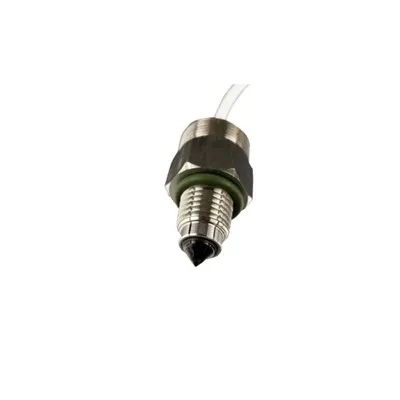
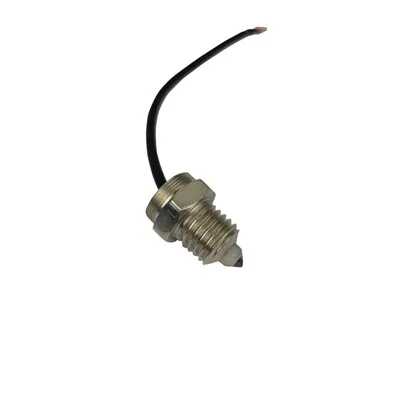
These are small sensors placed near risk points-water heaters, dishwashers, toilets, sump pits, under sinks. When water bridges two contacts (or wets a probe), it triggers an alarm.
Moisture sensor leak alarm benefits include:
Fast detection for localized leaks (e.g., supply hose failure)
Low cost and easy deployment
Great for renters or small budgets
This category is often compared as leak detection systems vs water alarms: a water alarm is usually a single spot sensor with an audible alert; a system adds networking, history, analytics, and sometimes shutoff.
2) Moisture and humidity sensors (slow seep detection)
Some sensors monitor dampness, humidity trends, or "wet" presence over time. They're useful for slow leaks in cabinets, crawlspaces, and near HVAC condensate lines.
3) Flow-based detection (whole-home or whole-zone monitoring)
A flow meter (often installed on the main line) learns "normal" usage patterns and flags anomalies-like continuous flow at 2 a.m. or a long, steady trickle that suggests a running toilet.
This is especially helpful for "hidden" problems and how to detect plumbing leaks that don't pool water near a spot sensor.
4) Pressure-based detection (drops and transients)
Pressure sensors look for rapid pressure drops, unusual cycling, or patterns that indicate a leak downstream. Some systems run automated "pressure decay" checks when the home is quiet.
You'll sometimes see comparisons like ultrasonic leak detection vs pressure testing:
Pressure testing (including pressure-decay checks) can indicate a leak exists in a closed system.
Ultrasonic/acoustic tools are better at pinpointing the leak locati0n.
5) Acoustic and ultrasonic listening (pinpointing leaks)
Acoustic leak detection technology uses sensitive microphones or correlators to "listen" for the sound signature of water escaping under pressure. This is common in professional plumbing leak detection and municipal work.
Ultrasonic leak detection vs pressure testing in practice:
Ultrasonic/acoustic methods help locate leaks without opening walls.
Pressure testing confirms a leak but often can't localize it alone.
This is frequently part of professional leak detection services for slabs, underground lines, and large pipe networks.
What triggers a leak alarm?
People often ask what triggers a leak alarm. Depending on system type, triggers include:
Water contact detected by probes or a sensing cable
Moisture threshold exceeded (dampness/humidity)
Continuous flow beyond a set time (e.g., > 30–120 minutes)
Abnormal flow rate (unexpected high flow when "away")
Pressure drop or pressure-decay outside normal ranges
Acoustic signature consistent with pressurized leakage
Good systems reduce false alarms by combining signals (e.g., flow anomaly + time-of-day rules) and allowing configuration per zone.
From detection to action: alerts, automation, and integration
Alerts (local and remote)
Modern systems can alert through:
Audible siren
Push notifications
SMS/email (depending on platform)
Monitoring dashboards for commercial building leak monitoring
Automatic shutoff (the big damage reducer)
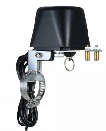
A system with a motorized shutoff valve can close the main line when it detects a serious leak. That's water shutoff valve automation-and it's one of the fastest ways to limit catastrophic damage from burst hoses and failed fittings.
Smart home and building connectivity
Many setups support IoT leak detection system integration using Wi‑Fi, Z‑Wave, Zigbee, Thread/Matter (model-dependent), or cloud APIs. Integration can:
Trigger a "vacation mode"
Notify a building engineer team
Log events for insurance documentation
Coordinate with security systems or building management systems
Installation basics: practical placement and setup
A simple smart leak detector installation guide mindset is: cover high-risk points first, then expand.
Where to place sensors (high ROI spots):
Under kitchen and bathroom sinks
Behind toilets (near supply valves)
Beside the water heater and drip pan
Near washing machine hoses
Under dishwasher, refrigerator ice-maker line
Basement/crawlspace low points and sump pit area
Near HVAC air handler/condensate drain
If installing a main-line shutoff + meter:
Put the shutoff on the main supply after the existing manual valve (when possible)
Ensure good Wi‑Fi/mesh coverage (or choose a hub-based system)
Test "exercise" routines (some valves periodically move to prevent sticking)
For complex jobs or older plumbing, consider licensed pros-many local plumbers bundle this with leak detection services.
Home vs commercial: what changes?
For a best leak detection system for home, priorities are usually simplicity, app alerts, and optional shutoff. For commercial building leak monitoring, priorities shift to:
Multi-zone monitoring and dashboards
Longer sensing cables for mechanical rooms
Role-based alerts and escalation
Integration with BMS/IoT platforms (IoT leak detection system integration)
Serviceability and audit logs
Power, connectivity, and battery life (what to expect)
For spot sensors, wireless leak sensor battery life depends on radios, check-in frequency, temperature, and battery type. Practical expectations:
Longer life with low-power protocols and fewer alerts/check-ins
Shorter life if the device is acting as a repeater or using chatty Wi‑Fi
Better reliability when you test monthly and replace batteries proactively
Hardwired sensors and controllers reduce battery maintenance but cost more to install.
Leak detection system cost comparison (realistic budgeting)
A useful leak detection system cost comparison breaks down by capability:
Basic water alarms (spot sensors only): lowest cost, minimal features
Networked sensors (app alerts, history): mid-range
Whole-home flow monitoring: mid-to-high depending on plumbing/access
Automatic shutoff systems: higher upfront, strongest damage prevention
Commercial systems (multi-zone, panels, long cable runs): highest, but scalable
When evaluating price, compare not just hardware, but installation complexity, subscription fees, warranty, and support response time.
Actionable tips to reduce leaks (even before you buy)
If you're still deciding, these steps help immediately:
Replace old braided supply hoses (washing machine, dishwasher) on schedule
Know where your manual main shutoff is-and label it
Set water heater pans/drains correctly
Use spot sensors in every bathroom and near the water heater first
If you travel often, prioritize a shutoff-capable system
Takeaway
So, How Do Leak Detection Systems Work? They detect water presence, moisture, flow, pressure, or acoustic signals-then alert you and, in advanced setups, stop the water automatically. Start with targeted sensors for fast wins, then add whole-home flow monitoring and water shutoff valve automation if you want maximum protection and the best chance to prevent water damage with sensors.
Estimated word count (article body): ~990 words.