How do water leak sensors work
Water damage is one of those home problems that's inexpensive to prevent and painfully expensive to ignore. Water leak sensors are designed to catch the first drops-before a slow drip under a cabinet becomes warped flooring, mold, or a collapsed ceiling. If you've ever wondered, "How do water leak sensors work?" the answer comes down to a few reliable sensing methods, simple electronics, and (in smarter models) a fast way to alert you wherever you are.
What a water leak sensor actually detects
Most water leak detection sensors don't "see" water-they detect a change in electrical conductivity or moisture level near the device. Think of them as leak detection devices that wait for conditions that shouldn't be present (liquid water on the floor, unexpected dampness, or rising humidity in an enclosed space).
Common use cases include:
Under sink leak detector solutions (kitchen/bath cabinets)
Water heater leak alarm setup (utility rooms)
A leak detection system for basements (near sump pumps, floor drains, foundation walls)
Laundry rooms, dishwashers, HVAC condensate pans, and behind toilets
The core water leak sensor mechanism (the "two metal contacts" method)
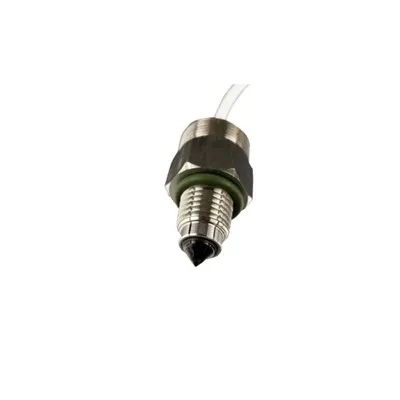
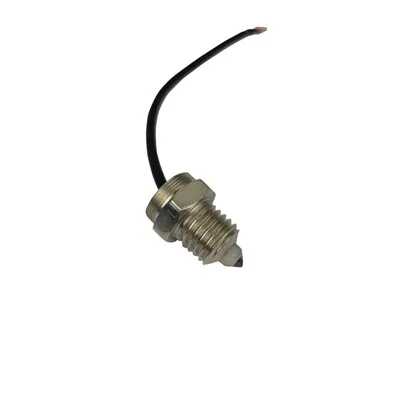
The most common water leak sensor mechanism is conductivity-based. Inside the sensor are two exposed metal pads (or a small wired probe). When water bridges the gap between those contacts, it completes a circuit (or lowers resistance), and the sensor triggers an alarm.
That's the basic principle behind many best water leak sensors for home products:
Dry floor: circuit is open (no alarm).
Water touches both contacts: electrical path forms.
Device signals: siren, app notification, hub alert, or all three.
This method is popular because it's inexpensive, fast, and dependable-especially for "first drop" detection around appliances.
Leak detection sensor types: beyond simple contact sensors
Not all leaks present as a puddle. Different leak detection sensor types target different conditions:
1) Spot (puddle) sensors
These are the classic floor sensors. They're ideal for cabinets and around water heaters. Many models include a loud local siren.
2) Remote probe sensors
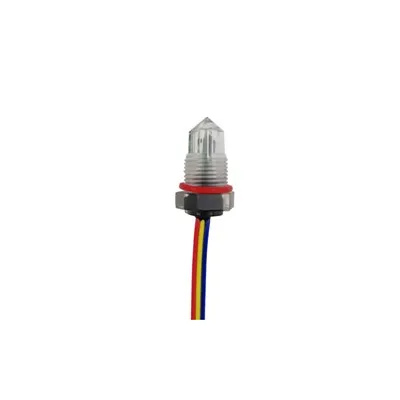
A small cable probe sits where water is expected to appear first, while the main unit mounts higher or stays accessible. This is great for tight spots or where you want to keep electronics away from puddles. If you're collecting water sensor probe placement tips, remote probes are often the most flexible option.
3) Rope/cable sensors (linear leak detection)
A long sensing cable detects water anywhere along its length. This is useful for larger perimeters-like a long run behind a row of water heaters or along a basement wall.
4) Humidity/temperature "pre-leak" monitoring (limited cases)
Some devices monitor humidity trends to warn of abnormal dampness. This is where confusion often starts with water leak sensors vs moisture sensors:
Water leak sensors usually alarm on liquid water present (fast, obvious threshold).
Moisture sensors may track dampness/humidity (more gradual, can be noisier in humid environments). Many consumer products blend these features, but puddle detection is still the primary job.
How smart water leak sensors send alerts (Wi‑Fi, hubs, and radios)
A "smart" unit doesn't just beep-it notifies you. Smart water leak sensor WiFi alerts typically work one of these ways:
Direct Wi‑Fi: The sensor connects to your router and sends push notifications via a cloud service/app.
Hub-based (Zigbee/Z-Wave/Thread/BLE): The sensor talks to a nearby hub, which then relays notifications and automations.
Proprietary sub‑GHz radio: Longer range and better battery life in some ecosystems.
When evaluating flood sensor alarm range, remember range depends on walls, floors, and interference. A basement utility corner may be the hardest place for signals-hub placement (or adding a repeater) often matters more than the sensor brand.
Water leak sensor integration with smart home (and shutoff valves)
Water leak sensor integration with smart home platforms can do more than notify:
Turn on a light or sound a whole-home siren
Send texts to multiple family members
Trigger a smart plug to cut power to a recirculation pump (situational)
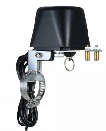
Pair with an automatic shutoff valve (the most damage-preventing option)
A sensor + shutoff valve combo is especially valuable for second homes, travel-heavy households, or high-risk areas like water heaters and laundry supplies.
Water leak detector installation guide: where and how to place them
A practical water leak detector installation guide is mostly about placement. The sensor has to be where water will show up first.
Best placement basics
Under sinks: place at the cabinet bottom near supply lines and the trap, not directly under a dripping joint that could splash away from the contacts.
Water heaters: place slightly in front of the pan edge or low point where water will pool.
Basements: near sump pumps, floor drains, and along the lowest point of the floor.
Behind toilets: near the shutoff valve and supply line.
Water sensor probe placement tips
Keep contacts flat on the surface (no wobble).
Avoid placing on thick grout ridges where water may channel around it.
If using a probe cable, put the probe at the lowest point and route the cable up and away from likely pooling.
Battery powered leak detector lifespan: what to expect
Battery powered leak detector lifespan depends on radio type, alert frequency, and battery chemistry. As a rule, "chatty" Wi‑Fi devices tend to drain batteries faster than low-power radio sensors connected to a hub.
To maximize life:
Use recommended batteries (often lithium AAs/CR cells for better cold performance)
Enable low-battery alerts in the app
Test monthly (many units have a test button)
Leak sensor false alarm causes (and how to reduce them)
Even good sensors can false alarm. Common leak sensor false alarm causes include:
Condensation (cold pipes sweating in humid cabinets)
Cleaning chemicals or wet mopping contacting probes
Corrosion/oxidation on contacts over time
High humidity triggering "moisture" thresholds on combo devices
Improper placement where minor splashes hit the contacts
Fixes:
Reposition slightly away from splash zones but still at the low point
Clean contacts gently and replace if heavily corroded
For humid areas, prefer straightforward puddle sensors over humidity-based alerts
Troubleshooting leak detector not working
If you're troubleshooting leak detector not working, run this checklist:
Confirm batteries are fresh and installed correctly
Press the test button; if none, touch a damp cloth to the contacts
Check app permissions/notifications and that the device is online
For hub-based sensors, verify the hub is powered and within range
Re-pair the device if it recently changed Wi‑Fi or was moved far away
If it alerts locally but not in the app, the sensor is fine-the connectivity path is the issue.
Choosing the best water leak sensors for home: quick buying guide
When comparing water leak sensors and leak detection devices, prioritize:
Loud local alarm (so you hear it at night)
Reliable app alerts if you're often away
Probe/rope options for complex spaces
Clear battery and connectivity status indicators
Compatibility if you want automations or shutoff integration
For many homes, a mix works best: spot sensors under sinks, a probe sensor near the water heater, and a rope sensor for a basement perimeter.
Takeaway
So, How do water leak sensors work? Most use simple conductivity contacts (or a probe/rope) to detect unwanted water, then trigger a siren and/or send notifications-sometimes enabling smart automations and shutoff protection. With smart placement, realistic expectations about range and batteries, and a quick monthly test, water leak detection sensors can stop the most common household leaks from becoming major repairs.
Estimated word count (article body): ~990 words.