How does a water level controller work
Automatic water management, made simple
A water level controller is designed to monitor the water level inside a tank, sump, reservoir, or overhead storage system and automatically control a pump or valve based on that level. Instead of checking tanks manually or worrying about overflow, dry running, or water shortage, the controller uses a water level sensor or water level switch to detect when water reaches a set point.
When the tank level drops below the lower limit, the controller can switch the pump on. When the water reaches the upper limit, it switches the pump off. The result is a safer, more efficient, and more convenient way to manage water in homes, apartments, commercial buildings, farms, and industrial facilities.
If you are looking for a reliable way to automate tank filling, reduce wastage, and protect your pump, a water level controller is a practical solution.
What is a water level controller?
A water level controller is an electronic or electromechanical device that manages water levels automatically. It connects to sensors installed at different points in a tank and uses their signals to operate a pump, starter, solenoid valve, or alarm.
In a typical setup, the system includes:
A control unit
One or more water level sensors
A water level switch or float switch
Pump control output
Power connection
Indicator lights or status display
Optional alarm or dry-run protection
The controller acts as the decision-making unit. The sensors detect the actual water level, and the controller responds by turning connected equipment on or off.
How does a water level controller work?
A water level controller works by continuously checking whether water has reached specific points inside a tank. These points are usually the low level and high level, though some systems can monitor multiple levels.
Here is the basic operating process:
The water level sensor detects the current level
Sensors are placed at selected heights inside the tank. When water touches or moves away from the sensor, the signal changes.
The controller receives the signal
The control unit reads the input from the sensor or water level switch. It determines whether the tank is empty, partially filled, full, or below the safe operating level.
The controller activates or stops the pump
If the water is low, the controller can start the pump to fill the tank. If the water reaches the full level, it stops the pump to prevent overflow.
The system protects against waste and damage
In many installations, the controller also helps prevent pump dry running, excessive cycling, and unnecessary energy use.
This automatic cycle continues as long as the system is powered and correctly installed.
Why use a water level controller instead of manual pump operation?
Manual pump operation depends on someone remembering to turn the pump on and off at the right time. That can lead to overflow, empty tanks, wasted electricity, and pump damage.
A water level controller helps solve these common problems by offering:
Automatic pump start and stop
Reduced water overflow
Better pump protection
Lower manual effort
Improved water availability
Reduced electricity waste
More consistent tank management
For busy homes, multi-storey buildings, commercial properties, and water-dependent operations, automation can quickly become more than a convenience. It becomes a safeguard.
Key product features
Our water level controller solutions are designed for dependable everyday use in a wide range of water storage applications. Depending on the model and configuration, features may include:
Automatic pump control based on tank level
Compatibility with common water level sensor types
Support for overhead tanks, underground tanks, or both
High-level and low-level detection
Overflow prevention
Dry-run protection options
LED status indicators
Manual and automatic operation modes
Compact wall-mounted control unit
Simple installation layout
Suitable for domestic, commercial, and light industrial use
Exact features may vary by model, so you can choose a system that matches your tank size, pump type, and control requirements.
Water level sensor vs water level switch
The terms water level sensor and water level switch are sometimes used together, but they can refer to slightly different components.
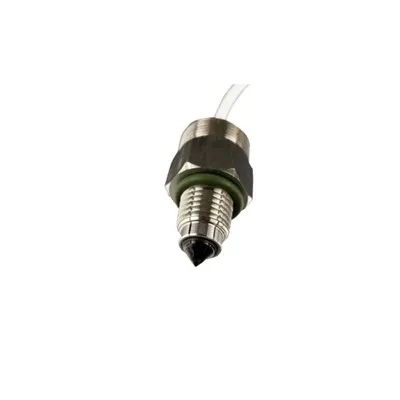
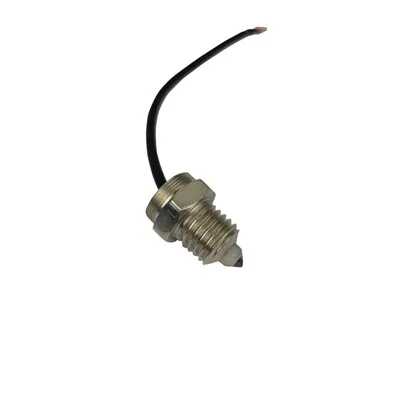
A water level sensor detects the presence, absence, or height of water. It may use probes, floats, pressure, ultrasonic measurement, or other sensing methods.
A water level switch is usually a device that changes its electrical state when water reaches a certain level. A float switch is a common example. When the float rises or falls, it opens or closes a circuit.
In a water level controller system, either type may be used depending on the application. Simple systems often use float switches or conductive probes, while more advanced systems may use non-contact sensors or multi-level monitoring.
Common types of water level control systems
Different applications require different sensing and control methods. Common options include:
Float switch controllers
These use a floating mechanism that rises and falls with the water. They are simple, widely used, and suitable for many tanks and sumps.
Probe-based controllers
These use conductive probes installed at different heights. When water touches a probe, the controller detects the level. This design is common in overhead tanks and domestic water systems.
Non-contact sensor controllers
Some systems use ultrasonic or similar sensor technology to detect the water level without direct contact. These are useful where contamination, corrosion, or access is a concern.
Dual-tank controllers
These systems monitor both an underground tank and an overhead tank. They can prevent the pump from running when the source tank is empty while also preventing overflow in the receiving tank.
Benefits of installing a water level controller
Prevents overflow
The controller stops the pump when the tank reaches the set high level, helping reduce water wastage and mess.
Protects the pump
When configured with low-level or source-tank monitoring, the controller can help prevent dry running, which is a common cause of pump failure.
Saves time
There is no need to repeatedly check the tank or operate the pump manually.
Improves water availability
By starting the pump when water is low, the system helps maintain a ready supply of water.
Supports energy efficiency
The pump runs only when needed, which can help reduce unnecessary electricity consumption.
Reduces maintenance stress
Fewer overflows, fewer dry-run incidents, and better pump cycling can support longer equipment life.
Ideal applications
A water level controller can be used in many environments, including:
Residential overhead water tanks
Underground sumps
Apartment buildings
Commercial properties
Schools and institutions
Hotels and guest houses
Farms and irrigation systems
Industrial process tanks
Rainwater harvesting systems
Borewell and storage tank systems
Whether you need a simple water level switch for one tank or a complete water level controller for pump automation, the right setup can make water management easier and more reliable.
Product specifications to consider
Before choosing a water level controller, review the requirements of your installation. Important factors include:
Tank type: overhead, underground, sump, or reservoir
Number of tanks to monitor
Pump horsepower and electrical rating
Power supply type
Sensor type required
Cable distance between controller and sensor
Manual override requirement
Dry-run protection requirement
Indoor or outdoor installation conditions
Alarm or indicator needs
Because pumps and sites vary, final model selection should be based on the actual installation environment.
Pricing and model options
Water level controller pricing depends on the model, sensing method, pump compatibility, protection features, and installation complexity. Basic systems are typically used for single-tank automatic control, while advanced systems may include dual-tank monitoring, dry-run protection, alarms, or enhanced sensor options.
For the best recommendation, choose a model based on your tank arrangement, pump rating, and automation needs.
Why choose a quality water level controller?
A low-quality controller may fail to detect levels accurately, cause frequent pump cycling, or stop working in demanding conditions. A dependable controller should be easy to install, compatible with your pump, and built for consistent operation.
When selecting a water level controller, look for:
Clear level detection
Reliable switching performance
Suitable electrical rating
Durable sensors
Easy troubleshooting
Safety-focused design
Compatibility with your water system
The right product helps protect both your water supply and your pumping equipment.
Simple installation concept
A typical installation involves mounting the controller near the pump control area, placing the water level sensor or water level switch inside the tank, and connecting the pump circuit according to the wiring instructions. Professional installation is recommended when working with electrical pumps, starters, or high-voltage connections.
Once installed, the system can begin monitoring the water level and controlling the pump automatically.
Ready to automate your water tank?
Stop relying on manual pump operation and start managing water more efficiently. A water level controller gives you automatic control, better protection, and peace of mind.
Choose the right controller for your tank, pump, and application-and enjoy smarter water management every day.
Contact us today to find the best water level controller for your setup.