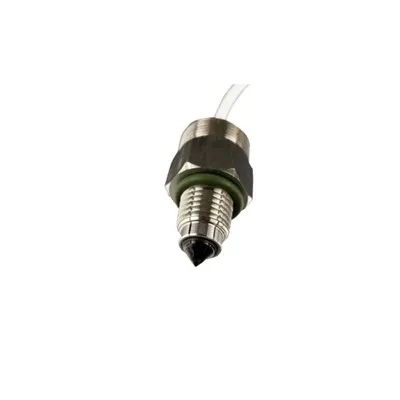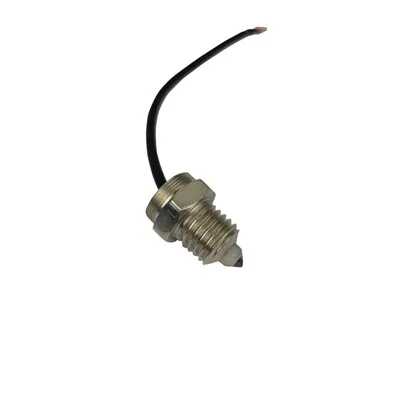
How does a water valve control water flow
Water valves are simple in concept, but they play one of the most important roles in any plumbing system. Whether you are turning on a faucet, shutting off water to a toilet, adjusting irrigation, or managing a water treatment system, a valve is what allows water to start, stop, slow down, speed up, or change direction.
At its core, water valve control works by changing the size, shape, or path of the opening that water moves through. When the opening is wide, more water can pass. When the opening is narrowed or blocked, less water flows-or the flow stops completely.
Understanding how valves control water flow can help homeowners, facility managers, and installers make better choices when selecting, maintaining, or troubleshooting plumbing equipment.
The basic principle of water flow control
Water moves through pipes because of pressure. That pressure may come from a municipal water supply, a well pump, a storage tank, or another system. A valve sits inside the piping and creates a controlled restriction.
A valve typically controls flow in one or more of the following ways:
Opening a passage so water can move freely
Closing a passage to stop water flow
Partially restricting the passage to reduce flow
Redirecting water from one path to another
Regulating pressure or volume based on system needs
Automating flow through mechanical, electrical, or programmed controls
The more precisely a valve can change that opening, the more precisely it can manage the flow.
What happens inside a water valve?
Although valve designs vary, most include a few basic components:
Valve body: The outer housing that connects to the pipe
Seat: The surface where the sealing part closes against the valve
Disc, ball, gate, cartridge, or plug: The internal moving part that opens, closes, or restricts water
Stem or actuator: The part that moves the internal mechanism
Seal or gasket: The material that helps prevent leaks
Handle, lever, knob, motor, or control head: The part used to operate the valve
When you turn a handle or activate a control, the internal part moves. That movement either creates more space for water to pass or reduces the available space. In a fully closed position, the internal sealing part presses against the valve seat and blocks the water path.
On/off control vs. flow regulation
Not every valve is designed for the same job. Some valves are made mainly for shutoff, while others are built for adjusting flow.
Shutoff valves
A shutoff valve is used to start or stop water. These are common under sinks, behind toilets, near water heaters, and at main water supply lines. A shutoff valve is usually either fully open or fully closed.
Common examples include:
Ball valves
Gate valves
Stop valves
Angle valves
A ball valve, for example, uses a rotating ball with a hole through the center. When the hole lines up with the pipe, water flows. When the ball turns a quarter turn, the solid side blocks the path and stops the water.
Flow control valves
A water flow control valve is designed to do more than simply turn water on or off. It can help regulate how much water passes through a line. These valves are used when flow rate matters, such as in irrigation systems, filtration equipment, commercial plumbing, appliances, and water treatment systems.
Flow control valves may be adjusted manually or automatically. Some are designed to maintain a consistent flow even when pressure changes. Others are used to fine-tune water delivery for comfort, efficiency, or equipment protection.
Common types of water valves and how they control flow
Different valve types control water in different ways. Choosing the right one depends on the application.
Ball valves
Ball valves are popular because they are durable, easy to operate, and provide quick shutoff. Inside the valve is a hollow ball. Turning the handle rotates the ball.
Handle parallel to the pipe: valve is open
Handle perpendicular to the pipe: valve is closed
Handle partly turned: flow may be reduced, though this is not always ideal for precise control
Ball valves are excellent for shutoff, but they are not always the best choice for fine flow adjustment.
Gate valves
Gate valves use a flat or wedge-shaped gate that moves up and down. When the gate is lifted, water flows. When it is lowered, the path is blocked.
Gate valves are often used in main water lines, but they are generally intended to be fully open or fully closed. Partially open gate valves can wear over time and may not provide accurate flow regulation.
Globe valves
Globe valves are better suited for throttling and flow adjustment. Water changes direction as it moves through the valve, and a disc moves closer to or farther from a seat.
Because the opening can be adjusted gradually, globe valves are often used where controlled flow is more important than maximum flow efficiency.
Check valves
A check valve does not usually control flow volume. Instead, it controls direction. It allows water to move one way and prevents it from flowing backward.
Check valves are important in systems where backflow could damage equipment, contaminate water, or reduce performance.
Pressure-reducing valves
A pressure-reducing valve helps lower incoming water pressure to a safer or more usable level. It does not just open and close; it responds to pressure conditions and adjusts internally.
This type of valve helps protect pipes, fixtures, appliances, and water-using equipment from excessive pressure.
Solenoid valves
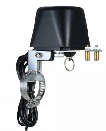
Solenoid valves use electricity to open or close. When energized, a magnetic coil moves a plunger or internal mechanism. These valves are common in appliances, irrigation systems, automatic dispensers, and other systems that require automated control.
A solenoid valve may be controlled by a timer, sensor, switch, or electronic control board.
How a water softener control valve works
A water softener control valve is a specialized valve assembly that manages the operation of a water softener. It does more than control basic water flow. It directs water through different stages of the softening and regeneration process.
In a typical water softener, the control valve may manage:
Normal service flow through the resin tank
Backwash to clean the resin bed
Brine draw to regenerate the resin
Slow rinse to remove excess brine
Fast rinse to settle the resin bed
Refill of the brine tank
Bypass flow when softening is not needed
During normal operation, hard water enters the softener and flows through resin media. Minerals such as calcium and magnesium are exchanged, and softened water exits the system. When the resin needs regeneration, the control valve changes the water path so the system can clean and recharge itself.
Many modern water softener control valves are automatic. They may operate based on a timer, water usage, or programmed settings. This makes them more advanced than a simple shutoff valve because they coordinate multiple flow paths inside one control head.
Manual vs. automatic water valve control
Water valves can be operated manually or automatically.
Manual control
Manual valves require a person to turn a handle, knob, or lever. They are simple, reliable, and common in residential plumbing.
Manual valves are often used for:
Fixture shutoff
Main water shutoff
Hose bibbs
Irrigation zones
Equipment isolation
Automatic control
Automatic valves respond to signals, settings, pressure changes, sensors, or programmed cycles. They are useful when water flow needs to be controlled without constant human operation.
Automatic valves are often used in:
Water softeners
Filtration systems
Irrigation systems
Appliances
Commercial plumbing
Leak detection systems
Industrial water systems
Automatic water valve control can improve convenience, safety, and efficiency, especially in systems that need repeated or timed operation.
What affects how well a valve controls flow?
Several factors influence valve performance.
Valve size
A valve should match the pipe size and flow requirements of the system. If the valve is too small, it may restrict flow too much. If it is too large, it may not provide accurate control in lower-flow applications.
Water pressure
Higher pressure pushes water through the valve more forcefully. A valve that works well at one pressure may behave differently at another. Some systems require pressure regulation before flow can be controlled accurately.
Valve type
A shutoff valve and a flow control valve are not interchangeable in every situation. For example, a ball valve may be great for quick shutoff, while a globe valve or dedicated flow control valve may be better for gradual adjustment.
Internal design
The shape of the internal opening affects turbulence, pressure drop, and flow accuracy. Some valves are designed for low restriction, while others intentionally create controlled resistance.
Water quality
Sediment, scale, iron, and debris can affect valve operation. Mineral buildup can make valves harder to turn, prevent proper sealing, or reduce flow. This is especially relevant in hard water areas and in systems where filtration or softening is needed.
Seal condition
Worn seals, gaskets, or seats can cause leaks or poor shutoff. If a valve no longer fully stops water, the internal sealing surfaces may be damaged or worn.
Signs a water valve is not controlling flow properly
A valve may need attention if you notice:
Reduced water pressure after the valve
Water still flowing when the valve is closed
Leaking around the handle or body
A handle that is difficult to turn
Hammering, vibration, or unusual noise
Inconsistent flow from fixtures
A water softener that does not cycle correctly
Water treatment equipment stuck in regeneration or service mode
Some issues can be solved by cleaning, adjusting, or replacing parts. Others may require full valve replacement.
Best practices for using water valves
To keep valves working properly, follow a few practical guidelines:
Use the right valve type for the job
Do not force a stuck valve
Open and close manual valves periodically to prevent seizing
Install valves where they remain accessible
Protect valves from freezing conditions
Use filtration where sediment is a recurring issue
Follow manufacturer instructions for water softener control valve programming and maintenance
Replace worn or leaking valves promptly
For critical plumbing systems, it is usually best to have a qualified professional inspect or install the valve.
Why proper valve control matters
A water valve may seem like a small component, but it affects the safety, efficiency, and reliability of an entire plumbing system. Good valve control helps prevent leaks, protects equipment, supports consistent pressure, and allows maintenance without shutting down more water than necessary.
In water treatment systems, valve performance is even more important. A properly functioning water softener control valve ensures that water flows through the correct cycle at the correct time. If that control valve fails, the system may stop softening water, waste water, or fail to regenerate properly.
Final thoughts
A water valve controls water flow by changing the opening inside the valve body. Depending on the design, it may stop water completely, allow full flow, reduce flow, regulate pressure, prevent backflow, or redirect water through different paths.
For simple plumbing, a basic shutoff valve may be enough. For more precise applications, a dedicated water flow control valve may be needed. For treatment systems, a water softener control valve provides advanced flow management by directing water through service and regeneration cycles.
Understanding how valves work makes it easier to choose the right component, recognize problems early, and maintain a reliable water system.