How does the light sensor works
Light sensors are small but powerful components that help electronic devices "see" changes in brightness. They are used in smartphones, streetlights, security systems, cars, cameras, smart home devices, solar equipment, and many other everyday technologies. At a basic level, a light sensor detects light and converts that information into an electrical signal a device can understand.
What Is a Light Sensor?
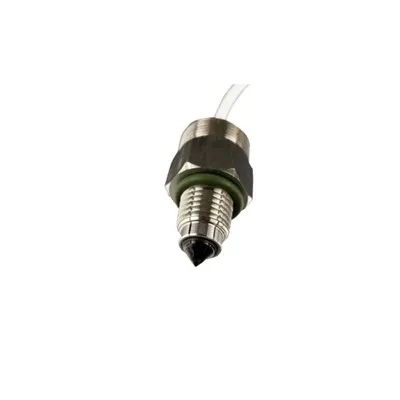
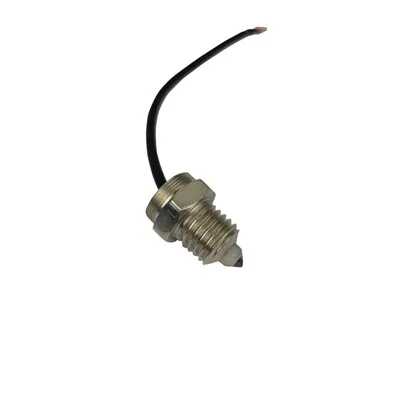
A light sensor is an electronic device that measures the intensity of light in its environment. Depending on the design, it may detect visible light, infrared light, ultraviolet light, or a specific range of wavelengths. Once the sensor detects light, it produces a response such as a change in voltage, current, resistance, or digital data.
This is why your phone screen can automatically brighten outdoors and dim in a dark room. The sensor measures the surrounding light level, then the device adjusts its behavior based on that reading.
Light Sensor Working Principles
The main idea behind most light sensor working principles is the photoelectric effect. When light hits certain materials, it can change how electrons behave inside that material. This change can then be measured as an electrical signal.
In simple terms, the process usually works like this:
Light reaches the sensing material.
The material reacts to the light energy.
The reaction changes an electrical property, such as resistance or current.
The device reads that change.
A control system responds, such as turning on a lamp or adjusting screen brightness.
Some sensors create more current when more light is present. Others reduce resistance as light increases. More advanced sensors convert the signal into digital information for microcontrollers, computers, or smart devices.
Common Light Sensor Types
There are several light sensor types, and each is suited for different applications.
Photoresistors
A photoresistor, also called an LDR or light-dependent resistor, changes resistance based on light intensity. In bright light, its resistance typically decreases. In darkness, its resistance increases. Photoresistors are affordable and commonly used in basic automatic lighting circuits.
Photodiodes
A photodiode is a semiconductor device that generates current when exposed to light. It responds quickly and is often used in remote controls, optical communication, barcode scanners, and precision measurement systems.
Phototransistors
A phototransistor works similarly to a photodiode but can provide greater signal amplification. It is useful when a stronger output signal is needed, such as in object detection, counting systems, and light-based switches.
Ambient Light Sensors
Ambient light sensors are designed to measure the general brightness of an environment. These are common in smartphones, tablets, laptops, automotive dashboards, and smart displays.
Infrared Sensors
Infrared light sensors detect IR radiation, which is often invisible to the human eye. They are used in motion detectors, night vision systems, proximity sensing, and temperature-related applications.
Sensor Technology Overview
A helpful sensor technology overview starts with understanding that a sensor rarely works alone. In most systems, the light sensor is connected to supporting electronics that process and interpret its signal.
A typical setup may include:
A sensing element that reacts to light
A circuit that converts the reaction into a usable signal
A processor or controller that analyzes the signal
Software or firmware that decides what action to take
An output device, such as a screen, alarm, motor, or light
For example, in an outdoor security light, the sensor detects low light levels at night. The system then allows the motion detector and lamp to activate when movement is detected. During the day, the light sensor helps prevent unnecessary operation.
Where Light Sensors Are Used
Light sensors are found in many practical applications, including:
Automatic streetlights
Smartphone brightness control
Camera exposure systems
Smart home lighting
Solar panel tracking
Industrial automation
Medical and laboratory devices
Vehicle headlights and dashboards
Security and motion detection systems
Their purpose is usually to improve efficiency, convenience, safety, or automation.
Key Factors That Affect Performance
Not all light sensors perform the same way. Their accuracy and usefulness depend on factors such as sensitivity, response time, wavelength range, operating environment, and calibration. A sensor used in a smartphone may need compact size and low power consumption, while a sensor used in industrial equipment may need durability and high precision.
Placement also matters. If a sensor is blocked, shaded, exposed to glare, or placed near another light source, it may give inaccurate readings.
Final Thoughts
A light sensor works by detecting light energy and converting it into an electrical signal. Different light sensor types use different materials and designs, but the goal is the same: measure brightness or specific light wavelengths so a device can respond intelligently.
From automatic lights to smart screens and advanced industrial systems, light sensors are an important part of modern electronics. Understanding light sensor working principles gives you a clearer view of how everyday devices adapt to the world around them.