How successful are automatic water level controllers
Reliable control for everyday water storage
Automatic water level controllers are highly effective when they are correctly selected, installed, and maintained for the tank, pump, and water source they control. For many U.S. homes, farms, commercial buildings, and light industrial sites, they help solve a simple but costly problem: tanks overflow, pumps run dry, and someone has to keep checking water levels manually.
A well-matched controller uses a water level sensor to monitor the tank in real time, then switches the pump on or off based on preset levels. The result is less waste, less pump stress, and a more consistent water supply.
If you are comparing automatic water level controllers for a home, well system, rooftop tank, rainwater harvesting system, livestock tank, irrigation setup, or facility storage tank, success usually depends on four things:
Choosing the right sensor type for the water and tank material
Matching the controller to your pump voltage and load
Installing probes, floats, or sensors at the correct levels
Using equipment rated for the environment, especially outdoors
When these basics are handled properly, automatic control can be a dependable part of a broader smart water management strategy.
What makes an automatic controller successful?
The best automatic controller is not just a switch. It is a practical safeguard for your water system. Its success is measured by how well it prevents common water storage and pumping problems.
Helps prevent tank overflow
Overflow is one of the most common reasons buyers search for an automatic controller. When a tank reaches the upper limit, the controller shuts off the pump automatically. This helps reduce water waste, property damage, wet equipment areas, and unnecessary utility costs.
Helps protect pumps from dry running
Dry running can damage pumps when the water source is too low or supply is interrupted. Many controllers include low-level protection or can be paired with sensors that stop the pump before damage occurs.
Reduces manual monitoring
Instead of checking tanks several times a day, users can rely on the controller to respond automatically. This is especially useful for second homes, farms, small businesses, multi-tank systems, and facilities where staff time is limited.
Supports consistent water availability
By starting the pump when the tank reaches a low set point and stopping it at a high set point, the system helps maintain usable water storage without constant attention.
Improves smart water management
Automatic water level controllers are often one piece of a larger water efficiency plan. When paired with timers, alarms, remote monitoring, leak detection, or building management systems, they can support smarter water use across residential and commercial properties.
Common use cases in the U.S. market
Automatic controllers are used in a wide range of water storage applications. The right model depends on the site, tank size, water source, and pump system.
Residential water tanks
Homeowners use controllers for storage tanks connected to wells, pressure systems, rainwater harvesting systems, and utility backup tanks. They are especially useful where manual pump switching is inconvenient or where overflow could damage landscaping, foundations, garages, or basements.
Well water systems
For homes and properties using wells, a controller can help manage transfer pumps, storage tanks, and cisterns. Depending on the system design, it may also help reduce pump cycling and protect equipment from low-water conditions.
Rainwater harvesting
Rainwater systems benefit from controlled filling, transfer, and overflow prevention. A compatible water level sensor can help monitor stored rainwater and automate pump operation when supplying irrigation or non-potable uses.
Irrigation and landscaping
Automatic control is valuable for nurseries, farms, greenhouses, golf course support systems, and large landscapes. It can help keep holding tanks ready for scheduled irrigation while reducing the need for manual oversight.
Commercial and facility storage
Small businesses, apartment properties, schools, warehouses, and light industrial sites may use controllers for tanks, sumps, process water, HVAC support water, or backup storage. Commercial buyers should look for durable enclosures, alarm outputs, serviceability, and compatibility with existing electrical systems.
Livestock and agricultural water
In agricultural settings, automatic water control can support storage tanks, trough filling systems, and remote water points. Outdoor-rated components and reliable sensors are especially important in these environments.
Key features to look for before buying
Not every controller is right for every tank. Before choosing a product, compare the features that matter most for your application.
Sensor compatibility
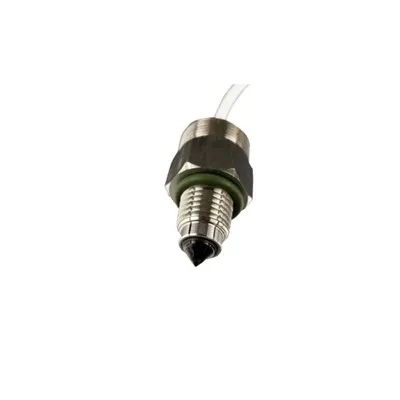
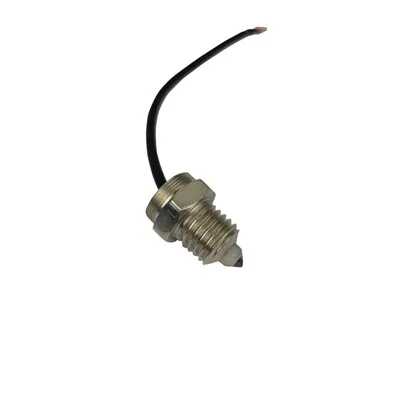
The water level sensor is the heart of the system. Common options include:
Float switches for simple high-low control
Conductive probes for certain clean-water applications
Pressure-based sensors for deeper tanks
Ultrasonic sensors for non-contact measurement
Capacitive sensors for selected plastic or non-metallic tanks
Each sensor type has strengths and limitations. For example, floats are simple and cost-effective, while non-contact sensors may be better where physical contact with water is undesirable.
Pump and power compatibility
Check that the controller supports your pump type, voltage, phase, and amperage. Residential applications may be different from commercial or agricultural pump systems. If you are unsure, consult a qualified electrician or pump professional before installation.
High-level and low-level control
A dependable automatic water level controller should allow the system to respond to both upper and lower water limits. This helps prevent overflow and ensures the pump starts when the stored water level drops.
Dry-run protection
Dry-run protection is important when the water source can run low, such as a well, sump, or supply tank. This feature can help reduce the risk of pump damage.
Manual override
Manual control is useful for maintenance, testing, seasonal changes, or emergency operation. Look for a controller that provides a clear automatic/manual mode.
Alarms and indicators
Visual indicators, audible alarms, or relay outputs can make the system easier to monitor. In commercial settings, alarm outputs may be useful for integration with other building systems.
Outdoor and enclosure rating
For outdoor installations, choose weather-resistant equipment designed for the environment. Consider moisture, UV exposure, temperature extremes, dust, insects, and the risk of physical impact.
Easy maintenance
Sensors should be accessible for inspection and cleaning. The best system is one that can be tested and serviced without major downtime.
Benefits you can expect
Automatic water level controllers are popular because they deliver practical, everyday value.
Key benefits include:
Reduced risk of tank overflow
Lower water waste
Less manual checking and pump switching
Better protection for pumps and related equipment
More consistent stored water levels
Improved convenience for homes and businesses
Support for water conservation goals
Better control of remote or hard-to-access tanks
Potential reduction in maintenance caused by preventable pump issues
For buyers focused on smart water management, the biggest advantage is control. Instead of reacting after a tank is empty or overflowing, the system responds automatically based on real water levels.
Limitations to understand
Automatic controllers can be very successful, but they are not a cure-all. Knowing the limitations helps you choose the right product and avoid disappointment.
Installation quality matters
Incorrect wiring, poor sensor placement, or mismatched pump ratings can cause unreliable operation. Professional installation is recommended for many systems, especially when line voltage pumps are involved.
Sensors may require cleaning
Hard water, sediment, algae, minerals, or debris can affect some sensors. Tanks used for rainwater, agricultural water, or untreated well water may need more frequent inspection.
Not all models offer remote monitoring
Some products are basic on/off controllers. Others support alarms, app-based monitoring, or integration with smart building systems. If remote access matters, confirm that feature before buying.
Power outages still affect operation
Unless your system includes backup power, a controller will not operate during an outage. For critical water supply applications, consider battery backup, generator support, or redundant system design.
Water quality and tank design matter
Foam, turbulence, tank shape, internal obstructions, and sensor mounting conditions can affect performance. Choose a sensor style suited to the actual environment.
Pricing and purchase considerations
Pricing for automatic water level controllers varies by application, sensor type, enclosure quality, pump capacity, monitoring features, and installation requirements. A basic residential system is usually simpler than a commercial or multi-tank control setup.
When comparing options, consider total value instead of only the upfront product price. A reliable controller may help prevent water loss, reduce pump wear, and save time spent manually monitoring tanks.
Before purchasing, gather these details:
Tank type and approximate size
Water source, such as well, municipal supply, rainwater, or cistern
Pump voltage and horsepower or load rating
Indoor or outdoor installation locati0n
Desired high and low water levels
Need for dry-run protection
Need for alarms or remote monitoring
Water quality concerns, such as sediment or mineral buildup
How to choose the right automatic water level controller
Use this quick selection guide before you buy:
Define the purpose. Are you preventing overflow, protecting a pump, maintaining storage, or all three?
Confirm the pump requirements. Match the controller to your pump's electrical specifications.
Choose the right sensor. Select a water level sensor based on tank material, water quality, depth, and maintenance expectations.
Consider the environment. Outdoor, wet, dusty, or high-temperature locations need durable components.
Plan for service access. Sensors and controllers should be easy to inspect and maintain.
Think ahead. If you may want alerts, remote visibility, or smart water management integration later, choose a scalable option.
Are automatic water level controllers worth it?
For many properties, yes. Automatic water level controllers are successful because they solve a repetitive problem with a simple automated process. They are especially worth considering when tank overflow, pump damage, water waste, or manual monitoring would create cost, inconvenience, or risk.
The best results come from choosing a controller that fits the specific system rather than buying the cheapest available option. A properly matched controller can become a quiet, dependable part of your water infrastructure.
Frequently asked questions
How successful are automatic water level controllers?
They are generally very successful when properly specified and installed. Their effectiveness depends on sensor type, wiring, pump compatibility, tank conditions, and maintenance. In the right setup, they can reliably automate pump operation and reduce overflow or dry-running issues.
Do automatic controllers save water?
They can help save water by shutting off pumps when tanks are full and reducing accidental overflow. Actual savings depend on how often overflow or manual control errors occurred before installation.
Can I use one with a well pump?
Many systems can be used with well-related storage tanks or transfer pumps, but compatibility depends on the pump and control design. Always confirm electrical ratings and consult a professional for well system integration.
What type of water level sensor is best?
There is no single best sensor for every application. Float switches are simple and common, while ultrasonic or pressure sensors may be better for certain tanks. Water quality, tank depth, installation locati0n, and maintenance expectations all matter.
Do these systems require maintenance?
Yes. Even reliable controllers should be tested periodically. Sensors may need cleaning, wiring should be inspected, and outdoor enclosures should be checked for moisture or damage.
Can an automatic controller be part of a smart water system?
Yes. Many buyers use automatic water level controllers as part of a smart water management plan. Depending on the model, the system may support alarms, remote monitoring, or integration with other controls.
Ready to automate your water level control?
Choose an automatic water level controller that matches your tank, pump, water source, and monitoring needs. For best results, compare sensor options, verify electrical compatibility, and select a system designed for the environment where it will be installed.
A dependable controller can help you reduce water waste, protect equipment, and manage stored water with confidence.