How to Integrate a Smart Ball Valve into Existing Systems?
Make Your Plumbing Smarter Without Rebuilding From Scratch
Upgrading an existing water, gas, irrigation, or process-control line does not have to mean replacing the entire system. A smart ball valve gives you reliable shutoff control, automation capability, and real-time system visibility while fitting into many standard plumbing and mechanical setups.
Designed for retrofit projects and modern installations alike, our smart valve solution helps property owners, facility managers, contractors, and system integrators add intelligent control where it matters most. Whether you are building smart plumbing systems for a home, commercial property, greenhouse, industrial room, or utility application, the right valve can help reduce risk, improve efficiency, and simplify everyday operation.
Built for Easy Smart Ball Valve Integration
A smart valve should work with your system, not force you to redesign it. Our solution is made to support straightforward smart ball valve integration into existing pipe layouts, control panels, and automation workflows.
Use it to:
Remotely open or close water and fluid lines
Automate shutoff during leaks, overflows, pressure events, or scheduled downtime
Connect plumbing control to sensors, controllers, or smart building systems
Improve safety in hard-to-reach or unattended locations
Reduce manual checks and service interruptions
Add modern control to older infrastructure
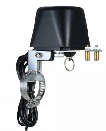
Instead of relying only on manual handles or delayed response times, automated ball valves give your system the ability to react faster and operate with greater consistency.
Why Upgrade to a Smart Ball Valve?
Traditional valves do one job well: they open and close a line. But they require someone to be physically present. In homes, facilities, agricultural systems, and light industrial environments, that delay can become expensive.
A smart ball valve adds automation and remote control to one of the most important points in your system. When paired with sensors or a controller, it can help shut off flow before a small issue becomes major damage.
Key benefits include:
Remote control: Operate your valve from a connected controller, app, hub, or building management system, depending on your setup.
Faster emergency response: Automatically shut off flow when connected sensors detect leaks or abnormal conditions.
Lower maintenance burden: Reduce the need for manual inspections in crawl spaces, utility rooms, equipment areas, and remote sites.
Greater operating consistency: Schedule open and close cycles or coordinate valve actions with pumps, tanks, filters, or irrigation zones.
Retrofit flexibility: Add intelligence to existing systems without unnecessary reconstruction.
Smarter resource management: Support water conservation, process control, and system monitoring goals.
Ideal Applications
Our smart ball valve is suitable for a wide range of systems where reliable automated control is needed.
Common use cases include:
Residential main water shutoff
Smart home leak prevention
Apartment and condominium utility control
Commercial plumbing rooms
Office and retail facilities
Irrigation and landscaping systems
Greenhouses and hydroponic setups
Rainwater harvesting systems
HVAC water lines
Filtration and treatment systems
Light industrial fluid control
Equipment protection and emergency shutoff
If your existing system already uses a manual ball valve, there may be a practical path to upgrade it with a smart alternative.
How Integration Typically Works
Every system is different, but the integration process usually follows a clear path.
1. Identify the Control Point
Start by choosing the line where automated shutoff or flow control will deliver the most value. This may be the main supply line, a branch line, an irrigation zone, a tank feed, or a process line.
The best locati0n is usually one that is accessible for installation, close to power or control wiring if needed, and positioned before the equipment or area you want to protect.
2. Confirm Pipe and System Compatibility
Before installation, verify basic requirements such as pipe size, connection type, flow direction, media compatibility, operating pressure range, and temperature conditions. If exact specifications are not known, a qualified installer can inspect the system and recommend the appropriate valve configuration.
3. Choose the Control Method
Smart ball valve integration can be handled in different ways depending on your system design. Options may include direct controller wiring, smart relay control, sensor-triggered automation, timer-based operation, or integration with compatible smart plumbing systems.
For more advanced environments, the valve can be incorporated into a broader automation strategy with pumps, sensors, alarms, meters, or building controls.
4. Install the Valve
Installation should be performed according to applicable plumbing, mechanical, electrical, and safety requirements. In many retrofit projects, the existing manual valve area is modified so the smart valve can be installed in-line.
A professional installer can help ensure proper sealing, orientation, electrical connection, and commissioning.
5. Test and Automate
Once installed, the valve should be tested manually and through its control method. Confirm that open and close commands work correctly, that sensors trigger the intended response, and that the system behaves safely during power or connectivity interruptions.
From there, you can create schedules, automation rules, alerts, and operating routines based on your needs.
Product Features
Our smart ball valve solution is designed to make automation practical, dependable, and easy to adopt.
Features may include:
Motorized open and close operation
Durable ball valve design for reliable shutoff
Compatibility with common plumbing and control environments
Support for retrofit and new-build installations
Manual override or local control options, depending on configuration
Integration with sensors, relays, controllers, or automation platforms
Compact design for utility rooms and equipment spaces
Low-maintenance operation
Suitable options for residential, commercial, and specialty applications
Because installation requirements vary, available configurations can be matched to your pipe size, connection type, control preference, and operating environment.
Designed for Smart Plumbing Systems
Smart plumbing systems are no longer limited to luxury homes or new commercial buildings. With the right components, existing systems can be upgraded in phases.
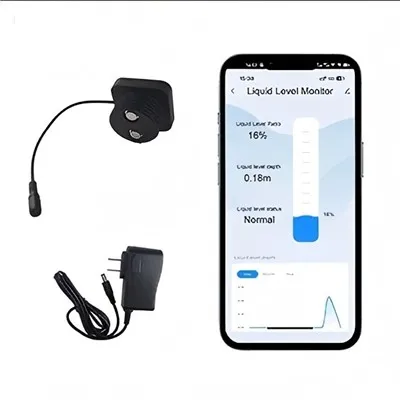
A smart ball valve can become the foundation of a more responsive plumbing network. Add leak sensors near appliances, moisture sensors in mechanical rooms, tank level sensors, flow monitoring, or scheduled irrigation control. As your needs grow, your valve can become part of a larger automation ecosystem.
This makes it a smart investment for anyone who wants more control without committing to a complete system replacement.
Pricing and Configuration Options
Pricing depends on the valve size, material, connection type, control method, quantity, and project requirements. Rather than forcing a one-size-fits-all product, we help match the right smart valve configuration to your application.
Available options may include:
Single-valve residential setups
Multi-zone irrigation or facility packages
Contractor and integrator project quantities
Retrofit-focused configurations
Custom control requirements for specialized systems
For the most accurate recommendation, request a quote with your pipe size, application, installation environment, and preferred control method.
What to Consider Before Ordering
To choose the best valve for your existing system, gather the following information:
Pipe size and connection type
Type of media being controlled, such as water or another compatible fluid
Normal operating pressure and temperature range
Indoor, outdoor, or enclosure requirements
Available power source
Preferred control method
Whether sensors or automation rules will be used
Need for manual override or local access
Number of valves required
If you are unsure, our team can help you review your setup and identify the right path forward.
Why Choose This Smart Valve Solution?
You need more than a motorized valve. You need a product that supports dependable automation, practical installation, and long-term system value.
Choose our smart valve solution if you want:
A cleaner path from manual control to automation
Flexible integration with existing systems
A solution suitable for both simple and advanced applications
Support for smarter water management and system protection
A scalable option for future upgrades
Guidance before purchase so you avoid compatibility issues
Automated ball valves are one of the most effective upgrades for adding control, safety, and intelligence to critical lines. With the right configuration, your existing system can become smarter, safer, and easier to manage.
Ready to Upgrade Your Existing System?
Bring intelligent shutoff and automation to your plumbing, irrigation, or fluid-control setup with a smart ball valve built for integration.
Request a configuration recommendation today and take the next step toward a more reliable, connected, and efficient system.