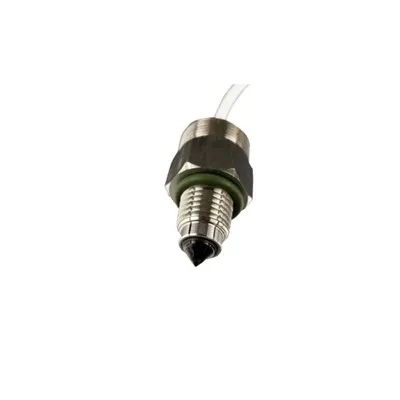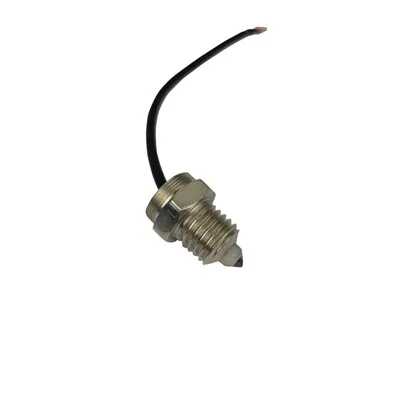
In-line Ultrasonic Flow Meters
In-line Ultrasonic Flow Meters are a go-to choice when you need accurate, repeatable flow data without moving parts in the process stream. As modern flow measurement solutions evolve, these industrial flow meters stand out for reliability in clean liquids, many chemicals, and even challenging applications when properly specified. This guide explains the ultrasonic flow meter working principle, selection, installation, calibration, and practical fixes for common issues-so you can get dependable performance from your flow rate sensors.
What Are In-line Ultrasonic Flow Meters?
In-line Ultrasonic Flow Meters (sometimes called spool-piece ultrasonic meters) are ultrasonic flow meters installed directly into the pipeline. Unlike non-invasive flow meters (clamp-on), the transducers are integrated into the meter body and couple through a wetted measurement section. This typically improves signal stability and reduces dependence on field mounting quality.
Key advantages of this flow meter technology:
No turbines, paddles, or bearings (low wear)
Strong long-term repeatability
Minimal pressure drop compared with many mechanical meters
Scales well from small to large lines (model dependent)
How Ultrasonic Flow Meters Measure Flow
Most inline designs use one of two measurement approaches: the transit-time flow measurement method or Doppler ultrasonic flow sensing. Choosing the right method is central to how to select ultrasonic flow meter models for your fluid.
Transit-Time Flow Measurement Method (Best for Clean Liquids)
The transit-time flow measurement method sends ultrasonic pulses both with and against the flow. Flow changes the time-of-flight difference, which the meter converts to velocity and volumetric rate.
Typical use cases:
Best flow meter for clean water
Demineralized water, potable water, glycol mixes
Many refined chemicals and hydrocarbons (check compatibility)
Doppler Ultrasonic Flow Sensing (Best for Dirty or Aerated Fluids)
Doppler ultrasonic flow sensing measures the frequency shift from sound scattering off bubbles or suspended solids. It's often the better ultrasonic flow meter for wastewater when there are enough reflectors (solids/air) to generate a return signal.
Use cases:
Slurries and recirculating mixed streams
Aerated wastewater (when specified correctly)
Clamp-on vs Inline Flow Meter: Which Is Better?
The clamp-on vs inline flow meter decision usually comes down to accuracy, installation constraints, and process access.
Inline: generally better coupling and repeatability; requires line break and planned shutdown.
Clamp-on: fastest deployment and no process intrusion; more sensitive to mounting, pipe condition, and acoustic path quality.
If you're considering an insertion flow meter alternative, inline ultrasonic often provides better accuracy than many insertion technologies, especially when the velocity profile is well controlled.
Inline Ultrasonic Flow Meter Installation: Practical Checklist
A good inline ultrasonic flow meter installation is mostly about hydraulic conditions and pipe geometry. Follow vendor instructions first, then apply these field-proven rules of thumb.
Ultrasonic Flow Meter Pipe Size Requirements & Straight Runs
Your ultrasonic flow meter pipe size requirements depend on the model and path design, but these are common best practices:
Match meter size to line size (avoid reducers right at the meter when possible)
Ensure adequate straight pipe:
Typical guidance: 10D upstream, 5D downstream (verify for elbows, valves, pumps)
Avoid installing immediately downstream of:
Control valves (strong turbulence)
Pumps (swirl and cavitation risk)
Partially open isolation valves
Orientation & Full-Pipe Condition
Keep the meter in a section that stays full (avoid high-point gas pockets)
For wastewater, consider vertical upflow to reduce air accumulation
Ensure proper grounding and shielding for noisy electrical environments
Ultrasonic Flow Meter Calibration Procedure (What "Calibration" Really Means)
An ultrasonic flow meter calibration procedure can mean different things:
Factory calibration (traceable to standards, often included for inline meters)
Field verification (proving against a reference or process balance)
Zero check and diagnostics review
Actionable field steps:
Confirm the meter configuration matches the application (units, diameter, fluid, path setting).
Validate full-pipe condition and eliminate trapped air.
Compare indicated flow to a trusted reference (weigh tank, master meter, or pump curve-ranked by confidence).
Record "as found" and "as left" values and store diagnostic snapshots.
Ultrasonic Flow Meter Accuracy Factors You Can Control
Many "accuracy problems" are actually application or installation issues. The biggest ultrasonic flow meter accuracy factors include:
Velocity profile distortion (insufficient straight run, upstream disturbances)
Air entrainment or flashing
Excessive solids for transit-time meters (signal attenuation)
Incorrect pipe ID or liner assumptions (especially in lined or scaled pipes)
Temperature effects and fluid property changes (model dependent)
Tip: if the fluid is clean, a well-installed inline transit-time meter is often a strong candidate for the best flow meter for clean water because it avoids mechanical wear and maintains stable repeatability.
Common Ultrasonic Flow Meter Troubleshooting (Fast Fixes)
When troubleshooting, separate "no signal" issues from "wrong reading" issues. Here are common ultrasonic flow meter troubleshooting checks that solve most site problems:
Unstable readingCheck for air bubbles, cavitation, or partially full pipe
Improve upstream straight run or relocate away from valves/pumps
Reading too high/lowVerify pipe ID, schedule, and liner assumptions
Confirm flow direction setting and wiring integrity
Intermittent dropoutsLook for electrical noise, grounding issues, moisture in junction boxes
Check transducer health indicators and cable strain relief
Flow Meter Zero-Flow Drift Solution
A practical flow meter zero-flow drift solution:
Run a true zero-flow test (isolated, full pipe, no recirculation)
Re-check mounting integrity (for inline: gasket alignment and spool centering)
Apply vendor-recommended zeroing only after confirming the system is genuinely static
Investigate thermal gradients and nearby vibration sources if drift persists
Ultrasonic Flow Meter Maintenance Checklist (Keep It Simple)
Inline ultrasonic meters are low maintenance, but not no-maintenance. Use this ultrasonic flow meter maintenance checklist quarterly or during planned outages:
Inspect for leaks, gasket creep, and flange bolt torque condition
Review diagnostics (signal strength, SNR, gain, error logs)
Confirm firmware/config backups and any parameter changes
Verify grounding, shielding, and enclosure seals
For wastewater: inspect for coating or buildup in the measurement section (if applicable)
How to Select Ultrasonic Flow Meter for Your Application
When deciding how to select ultrasonic flow meter models, answer these in order:
Fluid type: clean water vs solids-laden (transit-time vs Doppler)
Required accuracy and turndown
Pipe size, material, liner, and available straight run
Temperature/pressure range and chemical compatibility
Output needs (pulse, 4–20 mA, HART/Modbus, totalization)
Whether a clamp-on is acceptable or inline is required for performance/compliance
For mixed streams, confirm whether you truly need ultrasonic flow meter for wastewater capabilities (Doppler or specialized transit-time designs) or if conditioning/filtration upstream enables a transit-time approach.
Takeaway
In-line Ultrasonic Flow Meters deliver robust, modern flow measurement solutions with excellent repeatability and minimal wear-when you match the meter type to the fluid and install it with good hydraulic conditions. Focus on the right measurement method, solid installation practices, a realistic ultrasonic flow meter calibration procedure, and a disciplined ultrasonic flow meter maintenance checklist to keep your flow rate sensors accurate and stable over the long term.
Estimated word count (body): ~990 words.