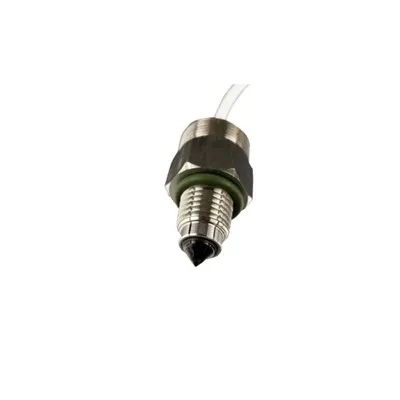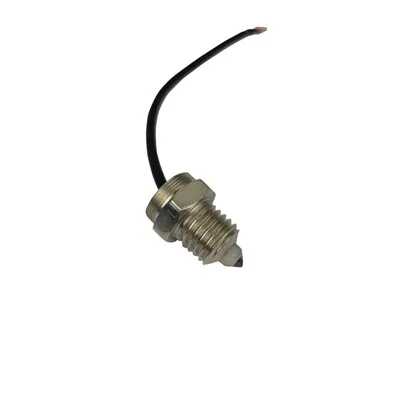
Introduction to Transit Time Ultrasonic Flowmeters
Understanding the Basics of Transit Time Flow Measurement
Transit time ultrasonic flowmeters are widely used flow measurement devices designed to measure the velocity of liquid or gas moving through a pipe. Instead of relying on moving mechanical parts, they use ultrasonic technology to calculate flow based on the time it takes sound signals to travel through the flowing medium.
This makes ultrasonic flowmeters especially useful in applications where non-invasive measurement, low maintenance, and reliable performance are important. From water treatment and energy management to industrial processing and HVAC systems, transit time flow measurement has become a practical solution for many modern flow monitoring needs.
At its core, a transit time flowmeter compares how long it takes an ultrasonic signal to travel with the flow versus against the flow. When fluid is moving, the signal traveling downstream reaches the receiving sensor slightly faster than the signal traveling upstream. The meter uses this difference in travel time to determine velocity and then calculate flow rate.
What Is a Transit Time Ultrasonic Flowmeter?
A transit time ultrasonic flowmeter is a type of flow rate sensor that measures flow by sending ultrasonic pulses between two or more transducers. These transducers are positioned so that sound waves travel diagonally across the pipe, either through the pipe wall or directly through the fluid.
The term "transit time flow" refers to the method of measuring the time difference between ultrasonic signals traveling in opposite directions. Because the flowing medium affects the speed of the signal, the meter can calculate how fast the medium is moving.
There are two common installation styles:
Clamp-on ultrasonic flowmeters: Sensors are mounted externally on the outside of the pipe. These are popular because they do not require pipe cutting, process shutdown, or direct contact with the fluid.
Inline ultrasonic flowmeters: The meter body is installed directly into the piping system. These may offer strong accuracy and stability in applications where permanent installation is preferred.
Both styles rely on the same principle of ultrasonic measurement, but the best choice depends on the process conditions, pipe material, accuracy requirements, and installation environment.
How Transit Time Ultrasonic Technology Works
Transit time ultrasonic technology uses paired transducers that act as both transmitters and receivers. One sensor sends an ultrasonic pulse downstream, while the other sends a pulse upstream. The meter continuously compares the travel times of these signals.
When there is no flow, the upstream and downstream signals take essentially the same amount of time to travel between the sensors. When the fluid is moving, the downstream signal is assisted by the flow and arrives faster. The upstream signal moves against the flow and takes longer.
The flowmeter measures this time difference and converts it into fluid velocity. Once velocity is known, the device uses the internal pipe diameter to calculate volumetric flow rate.
In simple terms, the process works like this:
Ultrasonic pulses are transmitted across the pipe.
The meter records signal travel time in both directions.
The time difference is used to calculate flow velocity.
Pipe dimensions are applied to determine flow rate.
The result is displayed, transmitted, or logged for monitoring and control.
Because these devices use sound waves rather than mechanical movement, they can provide stable measurement with minimal pressure loss.
Why Transit Time Flowmeters Are Popular
Transit time ultrasonic flowmeters offer several advantages compared with some traditional flow measurement devices. One of the biggest benefits is that clamp-on models can measure flow from outside the pipe. This can reduce installation complexity and help avoid process interruption.
Other key benefits include:
No moving parts: This reduces mechanical wear and helps lower maintenance requirements.
Non-invasive options: Clamp-on units do not contact the process fluid, which is useful for clean fluids, corrosive liquids, or sanitary systems.
Low pressure drop: Since many designs do not obstruct the pipe, they typically do not create significant pressure loss.
Bidirectional measurement: Many models can measure flow in both directions.
Useful for large pipes: Ultrasonic measurement can be practical where mechanical meters may be expensive or difficult to install.
Digital monitoring capabilities: Many modern ultrasonic flowmeters support data logging, remote outputs, and integration with control systems.
These advantages make transit time meters appealing for facilities looking to improve flow visibility without major piping changes.
Common Applications
Transit time ultrasonic flowmeters are best suited for relatively clean fluids or gases that allow ultrasonic signals to pass consistently between sensors. They are commonly used where the fluid contains limited suspended solids or entrained air.
Typical applications include:
Potable water distribution
Chilled water and hot water systems
HVAC energy monitoring
Industrial process water
Cooling loops
Chemical feed systems with compatible fluids
Pump performance testing
Boiler feedwater monitoring
Leak detection and flow balancing
Temporary flow surveys
Portable clamp-on ultrasonic flowmeters are especially useful for troubleshooting, commissioning, and system audits. A technician can install the sensors temporarily, collect flow data, and remove the equipment without altering the pipe.
Permanent systems are often selected for continuous monitoring, process control, or energy efficiency programs.
Important Installation Considerations
Even though transit time ultrasonic flowmeters can be easier to install than many inline devices, correct setup is essential for reliable performance. Sensor placement, pipe condition, and fluid characteristics can all affect measurement quality.
Important factors include:
Pipe Material and Condition
Clamp-on sensors must transmit ultrasonic energy through the pipe wall and into the fluid. Pipe material, wall thickness, liners, coatings, and corrosion can influence signal strength. Clean, consistent pipe surfaces generally produce better results.
Straight Pipe Requirements
Flow disturbances from elbows, valves, pumps, reducers, and tees can create turbulence or uneven velocity profiles. For best results, flow rate sensors are usually installed with adequate straight pipe upstream and downstream. Exact recommendations vary by meter and application.
Fluid Cleanliness
Transit time meters typically perform best with clean liquids or gases. Fluids with heavy solids, bubbles, or aeration may weaken or scatter the ultrasonic signal. In applications with dirty or highly aerated flow, another type of ultrasonic flowmeter, such as a Doppler meter, may be more appropriate.
Sensor Alignment
The transducers must be positioned accurately according to the meter's setup requirements. Spacing, angle, coupling material, and mounting pressure all affect signal quality. Many modern meters include setup menus or diagnostics to guide installation.
Pipe Diameter Accuracy
Because flow rate is calculated from velocity and pipe area, accurate pipe diameter information is important. Incorrect pipe dimensions can cause measurement error even when the ultrasonic signal is strong.
Transit Time vs. Doppler Ultrasonic Flowmeters
Transit time and Doppler flowmeters both use ultrasonic technology, but they operate differently and are suited to different conditions.
Transit time ultrasonic flowmeters measure the difference in travel time between upstream and downstream ultrasonic pulses. They are generally best for clean fluids with a stable acoustic path.
Doppler ultrasonic flowmeters measure frequency shifts caused by sound reflecting off particles or bubbles in the flow. They are often used when the fluid contains suspended solids or entrained gas.
The simplest way to think about the difference is this:
Choose transit time flow measurement for clean, acoustically conductive fluids.
Consider Doppler ultrasonic measurement for fluids with enough particles or bubbles to reflect the signal.
Selecting the right technology depends on what is actually moving through the pipe, not just the pipe size or flow range.
Accuracy and Performance Factors
The accuracy of ultrasonic flowmeters depends on the device design, installation quality, process conditions, and calibration. In ideal applications, transit time meters can deliver highly useful flow data for monitoring, control, and analysis.
Performance can be affected by:
Turbulent or swirling flow
Inaccurate pipe dimensions
Poor acoustic coupling
Heavy pipe scaling or corrosion
Air bubbles or suspended solids
Incorrect fluid settings
Sensor spacing errors
Temperature extremes
Many modern flow measurement devices include diagnostics that help users confirm signal strength, signal-to-noise ratio, and measurement stability. These tools are valuable because they make it easier to identify installation issues before relying on the readings.
Choosing the Right Ultrasonic Flowmeter
When selecting a transit time ultrasonic flowmeter, start with the application rather than the product specification sheet. The best device is the one that fits the fluid, pipe, environment, and measurement goal.
Key questions to consider include:
Is the fluid clean enough for transit time ultrasonic measurement?
Is the pipe full during operation?
What is the pipe material, size, and wall thickness?
Is the installation temporary or permanent?
Is a clamp-on or inline design preferred?
What accuracy is required?
Are outputs needed for a control system or data logger?
Will the meter be used indoors, outdoors, or in a harsh environment?
Are temperature, pressure, or hazardous area ratings important?
Answering these questions helps narrow the selection and avoid mismatches between the meter and the process.
Best Practices for Reliable Measurement
To get the most from transit time ultrasonic flowmeters, follow a few practical best practices:
Verify the application first. Confirm that the fluid, pipe, and flow profile are suitable for transit time measurement.
Prepare the pipe surface. For clamp-on sensors, remove loose paint, rust, insulation residue, or debris from the mounting area.
Use the correct coupling material. Proper acoustic coupling helps the ultrasonic signal enter the pipe wall and fluid.
Follow sensor spacing instructions. Use the manufacturer's guidance or built-in setup tools for accurate placement.
Avoid disturbed flow where possible. Install away from pumps, valves, elbows, and other sources of turbulence when practical.
Check diagnostics. Review signal strength and stability before accepting the measurement.
Document setup values. Record pipe size, material, fluid type, sensor spacing, and configuration for future maintenance.
These steps can significantly improve measurement consistency and confidence.
Final Thoughts
Transit time ultrasonic flowmeters provide a flexible, efficient way to measure flow without the mechanical complexity of many traditional meters. By using ultrasonic technology to compare signal travel times, they can deliver reliable flow data for clean liquids and gases in a wide range of applications.
Their value is especially clear when non-invasive installation, low maintenance, and minimal pressure loss are priorities. However, successful ultrasonic measurement depends on proper application review and careful installation. Pipe condition, fluid quality, straight run, and sensor alignment all matter.
For facilities evaluating flow measurement devices, transit time flowmeters are often a strong option when the process conditions are suitable. With the right setup, these flow rate sensors can support better monitoring, improved efficiency, and more informed system management.