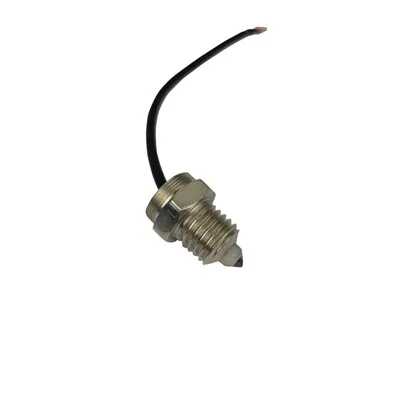
Choosing the Right Level Sensors for Corrosives
Corrosion-Resistant Level Sensors for Safer, Smarter Liquid Monitoring
When your process involves acids, caustics, solvents, cleaning chemicals, plating baths, wastewater, or other aggressive media, standard instrumentation can become a weak point. The right level sensors help protect equipment, reduce downtime, prevent overfills, and improve process control without exposing critical components to chemical attack.
Our corrosion-resistant fluid level sensors are designed for demanding environments where material compatibility, seal integrity, and reliable switching or measurement matter. Whether you need point-level detection in a chemical storage tank or continuous monitoring in a process vessel, we help you select Level Sensors for Corrosive Liquids that match your liquid, temperature, pressure, mounting requirements, and control system.
Built for Corrosive Liquids and Harsh Process Conditions
Corrosive applications require more than a sensor that "fits." They require careful evaluation of wetted materials, gaskets, process connections, cable protection, electrical ratings, and cleaning conditions. A small mismatch can lead to swelling, cracking, pitting, false readings, or premature failure.
Our product range supports applications where chemical resistance is the priority, with options using proven materials such as:
PTFE for broad chemical resistance and low surface adhesion
PFA for high-purity and aggressive chemical environments
PVDF for many acids, bases, and chemical processing applications
316L stainless steel for compatible industrial fluids and sanitary-style installations
Hastelloy for select severe-duty corrosive and high-performance applications
Chemical-resistant seals and cable materials selected for the process environment
Because no single material is compatible with every chemical, our selection process focuses on matching the sensor construction to your exact media and operating conditions.
Why Choose the Right Corrosion-Resistant Level Sensor?
A properly specified level sensor does more than detect liquid height. It supports safer operation, cleaner processes, and better asset protection.
Key benefits include:
Reduced risk of leaks and overfills through dependable level detection
Longer service life when wetted materials are compatible with the liquid
Lower maintenance demands with sensor technologies suited to buildup, foam, vapor, or turbulence
Improved process reliability for tanks, sumps, drums, reactors, and feed systems
Better operator visibility through switching, analog, or digital output options
Safer chemical handling by reducing manual checks and exposure risks
Flexible integration with pumps, alarms, PLCs, panels, and monitoring systems
Sensor Technologies Available
Different corrosive liquids behave differently. Some coat surfaces, some vaporize, some foam, and some attack metals or elastomers. We offer guidance across multiple level sensor technologies so you can choose the right design for your process.
Point Level Sensors
Point level sensors detect whether liquid is present at a specific height. They are commonly used for high-level alarms, low-level pump protection, spill prevention, and batch control.
Typical options include:
Float switches with corrosion-resistant stems and floats
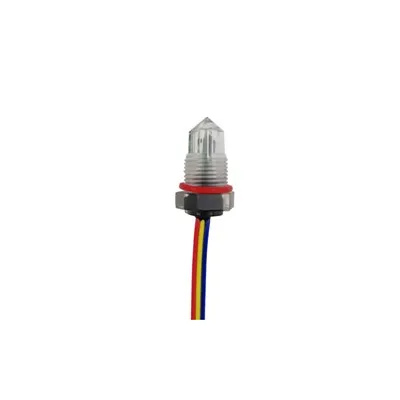
Optical sensors for compact detection points
Conductive or conductivity-style sensors for compatible liquids
Capacitive point sensors for non-metallic tanks or selected media
Tuning fork or vibration sensors for challenging industrial applications
Continuous Fluid Level Sensors
Continuous sensors provide ongoing level measurement rather than a simple on or off signal. They are ideal for inventory, dosing, process control, and remote monitoring.
Typical options include:
Ultrasonic level sensors for non-contact measurement
Radar level sensors for vapor, pressure, or more demanding tank environments
Pressure-based level transmitters with compatible diaphragms or isolators
Capacitive probes for selected chemical tanks
Magnetic level transmitters for compatible bypass or float-based applications
Material Compatibility Guidance
Selecting Level Sensors for Corrosive Liquids starts with understanding what the liquid touches. Wetted components may include the probe, float, diaphragm, process fitting, stem, fasteners, seals, and sometimes the cable or enclosure.
Common material considerations include:
PTFE: Often chosen for highly corrosive chemicals, sticky media, and applications requiring broad resistance.
PFA: A strong option for high-purity chemical systems and aggressive fluids where smooth, chemically resistant surfaces are important.
PVDF: Frequently used in chemical tanks, water treatment, plating, and general corrosive liquid service.
316L stainless steel: Durable and widely used, but not suitable for every acid, chloride, or aggressive chemical environment.
Hastelloy: Considered for severe corrosion service where common stainless steels may not provide adequate resistance.
Always evaluate concentration, temperature, pressure, aeration, impurities, cleaning chemicals, and exposure time. Compatibility charts are a useful starting point, but real process conditions should guide final selection.
Product Selection Guide
To choose the best level sensors for your application, consider the following factors before ordering.
1. Liquid Type and Chemistry
Identify the exact chemical name, concentration, specific gravity, viscosity, conductivity, and whether the liquid contains solids, crystals, surfactants, or suspended material.
2. Tank or Vessel Design
Review tank material, wall thickness, shape, mounting locati0n, available access, agitation, internal obstructions, and whether the tank is vented, sealed, pressurized, or exposed to outdoor conditions.
3. Measurement Goal
Decide whether you need:
High-level alarm
Low-level alarm
Pump run dry protection
Batch fill control
Continuous inventory measurement
Overflow prevention
Remote monitoring
Redundant safety detection
4. Output and Controls
Select the output that matches your control system. Options may include dry contact switching, transistor output, relay output, 4 to 20 mA, voltage output, or digital communication depending on the sensor type and model.
5. Operating Conditions
Confirm temperature, pressure, vapor, condensation, foam, splashing, turbulence, and cleaning cycles. Corrosive vapors can affect non-wetted parts, so enclosure and cable selection may be just as important as probe material.
6. Installation Requirements
Consider top mount, side mount, external mount, threaded fittings, flanges, sanitary-style connections, stilling wells, brackets, or non-contact configurations. The right installation reduces false readings and simplifies maintenance.
Common Use Cases and Industries
Our corrosion-resistant fluid level sensors support a wide range of applications, including:
Chemical storage and transfer tanks
Acid and caustic day tanks
Water and wastewater treatment systems
Scrubbers and neutralization systems
Semiconductor and high-purity chemical handling
Battery manufacturing and electrolyte handling
Plating and surface finishing lines
Food, beverage, and cleaning chemical systems where compatible materials are required
Pharmaceutical and laboratory process systems
Marine, mining, and industrial washdown environments
Fertilizer, agricultural chemical, and dosing systems
Whether you are upgrading a single tank or standardizing instrumentation across a facility, our team can help narrow the options based on performance, compatibility, and long-term cost of ownership.
Installation and Maintenance Considerations
Correct installation helps extend sensor life and improves measurement accuracy. For corrosive liquids, extra attention should be given to sealing surfaces, torque recommendations, gasket compatibility, and cable routing.
Best practices include:
Mount sensors away from fill streams when turbulence may cause false readings
Use stilling wells or shields when agitation is unavoidable
Confirm all wetted and exposed materials are compatible with both liquid and vapor
Avoid galvanic corrosion when mixing metals in conductive liquids
Inspect seals, floats, probes, and process connections during scheduled maintenance
Keep non-contact sensor faces clean when vapors or condensation are present
Verify switching points or calibration after installation and during routine checks
Use compatible thread sealants, gaskets, and fittings for the chemical environment
Maintenance frequency depends on the liquid, buildup, temperature, and duty cycle. Many applications benefit from periodic visual inspection and functional testing rather than reactive replacement after a failure.
Pricing and Configuration
Pricing depends on sensor technology, wetted materials, process connection, output type, cable or enclosure requirements, certifications, and customization needs. A simple point-level switch for a small chemical tank will typically be configured differently from a continuous transmitter for a heated or pressurized corrosive process.
To receive accurate pricing, provide the chemical name, concentration, temperature, pressure, tank details, mounting style, required output, and quantity. We will recommend suitable options and help you compare performance, compatibility, and total value.
FAQs
What are the best level sensors for corrosive liquids?
The best choice depends on the chemical, concentration, temperature, pressure, tank design, and measurement goal. PTFE, PFA, PVDF, 316L stainless steel, and Hastelloy are common material options, but compatibility must be confirmed for each application.
Are non-contact sensors better for corrosive chemicals?
Non-contact ultrasonic or radar sensors can be excellent when you want to avoid wetted parts. However, vapors, foam, condensation, turbulence, and tank geometry can influence performance. In some cases, a compatible contact sensor is more reliable.
Can one sensor material work for every chemical?
No. Even highly chemical-resistant materials have limitations. Concentration, temperature, impurities, and cleaning processes can change compatibility, so each application should be reviewed before selection.
Do corrosive vapors matter if the sensor does not touch the liquid?
Yes. Vapors can affect housings, cables, seals, connectors, and electronics. For harsh vapor environments, select suitable enclosure materials, cable jackets, and mounting methods.
Can these sensors connect to a PLC or alarm panel?
Many level sensors can be configured for common industrial outputs suitable for alarms, pumps, PLC inputs, or monitoring systems. The right output depends on your control architecture and sensor technology.
Request Help Selecting the Right Level Sensor
Protect your process with corrosion-resistant level sensors specified for your liquid, tank, and operating environment. Share your application details, and our team will help you compare suitable fluid level sensors, material options, outputs, and mounting configurations.
Contact us today to request a quote or get expert guidance on Level Sensors for Corrosive Liquids.