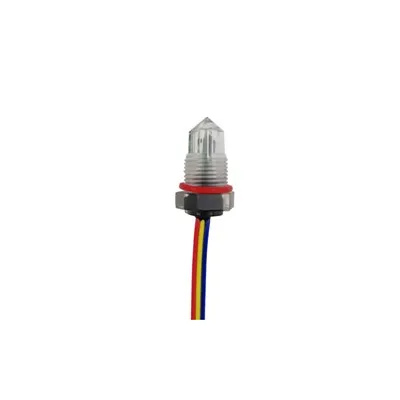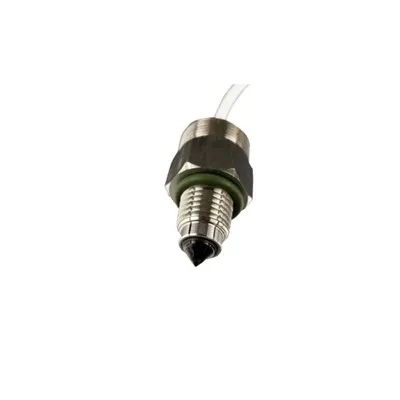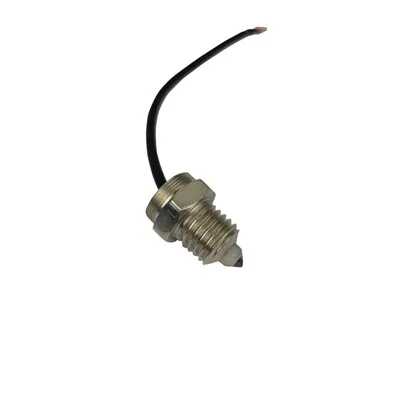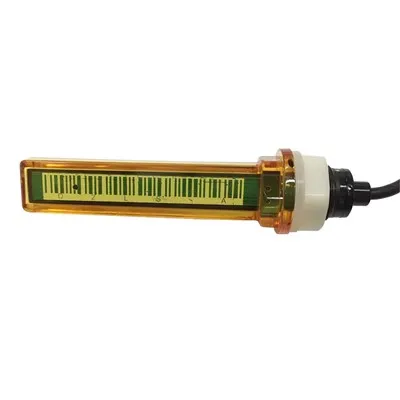
The primary parameters of a liquid level sensor are its measurement capabilities, which encompass measurement range, accuracy, and resolution. The measurement range indicates the span of liquid heights the sensor is capable of detecting-for instance, 0–2 meters or greater. Measurement accuracy reflects the magnitude of error in the detection results, typically expressed as ±0.5% of the full scale. Resolution, meanwhile, defines the smallest change in liquid level that the sensor can distinguish-a critical factor for precise liquid level control.
The output signal serves as a key performance indicator for liquid level sensors. Common output formats include analog signals, current signals, switch signals, and digital signals. Analog and current signals are well-suited for continuous liquid level monitoring; switch signals can be utilized for liquid level alarms or simple control tasks; while sensors equipped with digital interfaces can transmit data directly via communication protocols, thereby facilitating remote monitoring and automated management.
Operating environment and electrical parameters are equally critical considerations. Liquid level sensors typically require compatibility with specific temperature ranges and liquid types, in addition to possessing ingress protection capabilities against water and dust (e.g., IP65 or IP67 ratings). Electrical parameters-such as operating voltage and power consumption-vary significantly across different models and must be selected based on the specific application requirements. By comprehensively evaluating these parameters, one can ensure that the liquid level sensor operates stably and reliably across diverse settings, including industrial, residential, and agricultural environments.