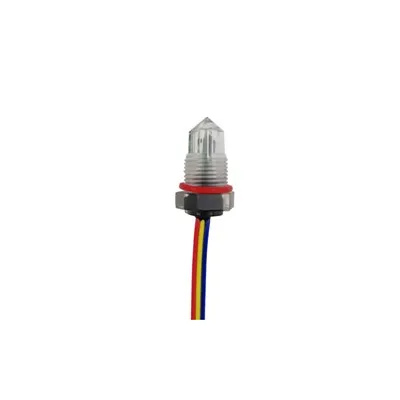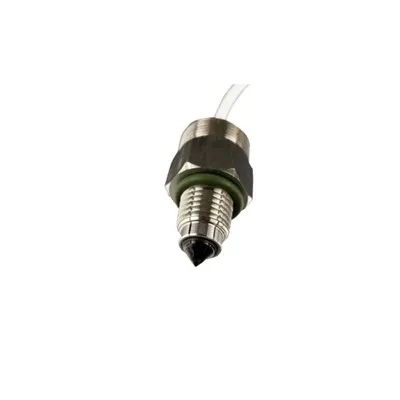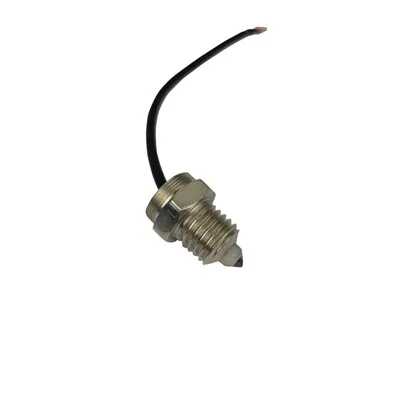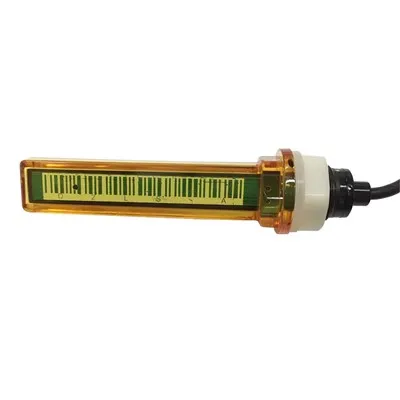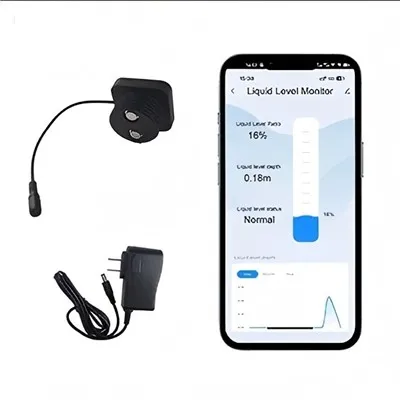
The overall development outlook for liquid level sensors is exceptionally promising, driven primarily by advancements in technological upgrades and the expansion of application domains. With the rapid advancement of industrial automation, smart manufacturing, and the Internet of Things (IoT), increasingly stringent demands are being placed on the precision, response speed, and reliability of liquid level monitoring systems. This trend is propelling sensor technology toward continuous evolution in the directions of high precision, non-contact operation, and intelligent functionality. For instance, ultrasonic, radar, and optical liquid level sensors-distinguished by their non-contact nature, corrosion resistance, and low maintenance costs-are poised to gradually displace a portion of traditional contact-based products.
The expansion of application fields constitutes another pivotal factor in the promising outlook for liquid level sensors. Beyond traditional sectors such as chemicals, petroleum, and pharmaceuticals, emerging domains-including water management, food processing, new energy storage, and smart homes-are demonstrating a rapidly growing demand for these sensors. Particularly within the contexts of energy storage batteries, smart water meters, and industrial big data monitoring, high-precision liquid level sensors serve not only as monitoring tools but also facilitate seamless integration with control systems, thereby enhancing overall automation and safety levels.
Liquid level sensors are set to become increasingly intelligent and networked. The deep integration of sensors with cloud platforms, IoT devices, and automated control systems will enable the real-time acquisition, remote management, and intelligent analysis of liquid level monitoring data. Concurrently, product miniaturization, low power consumption, and enhanced resistance to high temperatures and corrosion will emerge as critical factors in market competitiveness. In summary, liquid level sensors possess vast potential for growth across a wide spectrum of fields, including industrial automation, environmental management, and smart living.