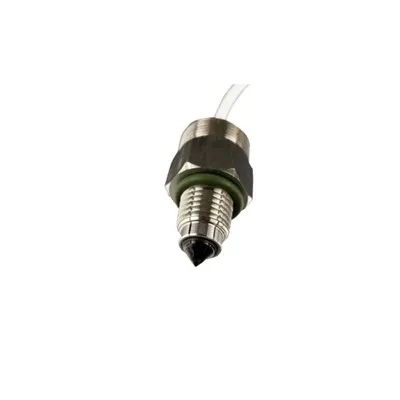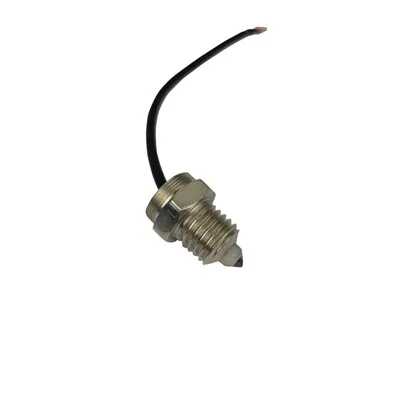
Liquid Level Sensors amp Floats
Choosing the right level sensing solution starts with understanding the liquid, the tank, and the level of accuracy your application requires. From simple float switches to advanced capacitive liquid level sensors, today's liquid measurement tools help teams monitor inventory, protect equipment, prevent overflow, and automate process control.
What Are Liquid Level Sensors and Floats?
Liquid level sensors are devices used to detect, measure, or monitor the amount of liquid in a tank, vessel, sump, reservoir, or process system. Depending on the design, they may provide a simple high/low signal or a continuous reading that shows the exact level of liquid.
Floats are one of the most common and straightforward level detection options. A float rises or falls with the liquid surface and triggers a switch or signal when it reaches a set point. They are widely used because they are cost-effective, easy to understand, and reliable in many everyday applications.
Common Types of Liquid Level Sensors
Different applications require different sensor technologies. The best option depends on the liquid's properties, the environment, mounting requirements, and whether point-level or continuous measurement is needed.
Float Switches
Float switches are ideal for applications that need simple level detection, such as pump control, overflow prevention, or low-level alarms. They are often used in water tanks, wastewater systems, hydraulic reservoirs, and industrial equipment.
Key advantages include:
Simple operation
Low maintenance requirements
Cost-effective installation
Reliable performance in many clean or moderately dirty liquids
Capacitive Liquid Level Sensors
Capacitive liquid level sensors detect changes in capacitance caused by the presence or absence of liquid. These sensors can often detect liquids through non-metallic tank walls, making them useful when direct contact with the liquid is not preferred.
They are commonly selected for applications involving chemicals, oils, water-based fluids, and sealed containers. Because they can be highly sensitive, proper setup and calibration are important, especially when liquid properties or tank materials vary.
Ultrasonic and Non-Contact Sensors
Ultrasonic sensors measure level by sending sound waves toward the liquid surface and calculating the return time. Since they do not touch the liquid, they are useful for corrosive, sticky, or hard-to-access fluids. However, foam, vapor, turbulence, or irregular surfaces may affect performance.
Conductive and Optical Sensors
Conductive sensors work with electrically conductive liquids and are often used for point-level detection. Optical sensors use light to detect liquid presence and can be compact, fast, and effective in small tanks or equipment assemblies.
How to Choose the Right Liquid Measurement Tools
Before selecting a sensor, consider these factors:
Liquid type: Is it water, oil, chemical, fuel, wastewater, or food-grade fluid?
Tank material: Metal and plastic tanks may require different sensor designs.
Measurement goal: Do you need a basic alarm point or continuous level monitoring?
Contact requirements: Some liquids require non-contact or sealed sensing methods.
Temperature and pressure: Harsh conditions may require specialized sensor materials.
Installation space: Compact systems may need small or side-mounted sensors.
Maintenance access: Hard-to-reach tanks benefit from durable, low-maintenance options.
Best Practices for Reliable Level Monitoring
To get dependable results from liquid level sensors, match the technology to the application instead of choosing by price alone. Confirm chemical compatibility, review mounting orientation, and allow for liquid movement, buildup, foam, or debris. For critical systems, consider redundancy, such as pairing a continuous sensor with a separate high-level float switch for backup protection.
Calibration and testing are also important. Even simple floats should be checked periodically to ensure they move freely and trigger correctly. Capacitive sensors should be adjusted based on the liquid and container material to reduce false readings.
Final Thoughts
Liquid level sensors and floats play an essential role in safe, efficient fluid management. Whether you need basic pump control or precise monitoring, the right combination of liquid measurement tools can reduce downtime, prevent spills, and improve process visibility. By understanding the strengths of float switches, capacitive liquid level sensors, and other sensing technologies, you can choose a solution that fits your system and performs reliably over time.